

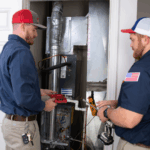
 Let’s talk about something most Arizona folks don’t think about until it’s too late. Your furnace. Sure, we live in the desert, but winter nights can get pretty chilly. When temperatures drop into the 30s and 40s, you’ll want that heater working perfectly.
Understanding basic furnace repair and maintenance can save you a bundle and keep your family comfortable all winter long.
Why Arizona Winters Still Need Your Attention
Here’s what a lot of people get wrong about Arizona. They think it’s always warm here. Not even close. Desert nights get cold, especially from November through February.
Phoenix regularly hits the 40s overnight, and if you’re up in places like Flagstaff, you’re looking at freezing temperatures. Your furnace has a real job to do during these months, and trust me, you don’t want it breaking down at 2 AM.
Common Furnace Issues You Might Run Into
Living in such a hot climate creates some interesting problems for your heating system. Think about it. Your furnace sits there doing nothing for most of the year.
Dust piles up everywhere. Seals get dried out from our brutal summer heat. Sometimes you’ll even find critters that decided your ductwork made a nice home during the warm months.
So, what goes wrong most often?
- Pilot lights that won’t stay lit
- Unresponsive or inaccurate thermostats
- Unusual noises when the system starts up (banging, rattling, squealing)
- Clogged air filters due to desert dust
- Ignition failures
- Faulty igniters or worn thermocouples in older systems
Try These Furnace Troubleshooting Steps First
Before you pick up the phone for heating repair, let’s check a few easy things.
- Check your thermostat settings (heat mode, temperature higher than room temp).
- Inspect the circuit breaker for a tripped switch.
- Examine the air filter and replace it if it’s dirty.
- Clear any obstructions around vents and air intakes.
- Listen for unusual noises during operation.
Winter Furnace Tips to Avoid Problems
Want to know the best way to avoid an emergency furnace repair call? Stay on top of maintenance.
- Schedule professional maintenance before winter starts
- Get annual furnace cleaning
- Keep the area around the furnace clean and dust-free
- Change air filters on time
- Make sure vents throughout the house are not blocked
When It’s Time to Call a Professional for Furnace Repair
Some problems aren’t DIY projects.
Gas Smells and Carbon Monoxide Risks
If you smell gas anywhere near your furnace, get out of the house right now and call your gas company. Gas leaks are serious business that need immediate professional attention.
Yellow or Flickering Pilot Lights
See a yellow or flickering pilot light instead of a steady blue flame? That’s a bad sign. It means the gas isn’t burning completely, which creates dangerous carbon monoxide.
Get that checked out immediately. And hey, make sure you’ve got carbon monoxide detectors on every floor of your home.
Short Cycling and Constant On-and-Off Issues
Is your furnace cycling on and off over and over? That’s telling you something’s seriously wrong. Could be a wonky thermostat, a clogged filter, or a failing part. You’ll need a pro to figure it out.
Sudden Increases in Energy Bills
Notice your energy bills shooting up for no reason? Your system might be losing efficiency. Worn-out parts, dirty components, or leaky ductwork force your furnace to run way longer just to keep up with the temperature. A technician can track down what’s causing it.
Furnace Maintenance Tips for the Long Haul
Think of your heating system like your car. Regular service makes it last longer and prevents breakdowns. Professional furnace inspections catch problems before parts completely fail.
Technicians measure airflow, test electrical stuff, and make sure combustion is happening correctly. They adjust gas pressure and fine-tune controls so everything works like it should.
Annual maintenance visits usually cost less than emergency calls. Plus, you avoid being stuck with a broken heater on the coldest night of the year.
A lot of companies offer maintenance plans that give you priority service and discounts on repairs. A good HVAC contractor will also check your cooling system during these visits, making sure everything’s ready for summer too.
Keep track of all your service visits and repairs. This paperwork helps future technicians understand what’s been done to your system. It also comes in handy for warranty claims or when you’re selling your house.
What You Should Know About Energy-Efficient Furnaces

 When to Replace an Old Furnace
Got an old furnace? If it’s more than 15 years old, replacing it might actually save you money. Modern energy-efficient furnaces use way less gas or electricity to make the same amount of heat. They’ve got better insulation, improved heat exchangers, and smarter controls.
Understanding AFUE Ratings
Look for the AFUE rating when you’re shopping around. This number tells you what percentage of fuel actually becomes heat for your home.
New furnaces have to meet at least 80 percent. The really good high-efficiency models hit 95 percent or higher. That means almost nothing goes to waste.
Why Proper Furnace Sizing Matters
Furnace installation isn’t a job for amateurs. Size matters a ton here. Too big and it cycles on and off constantly while wasting energy. Too small and it runs nonstop but never quite gets your house warm enough.
Good technicians calculate exactly what capacity you need based on your home’s size, insulation, and layout.
Your Whole HVAC System Works Together
Your furnace doesn’t operate in a vacuum. It’s part of a bigger picture that includes ductwork, thermostats, and air handlers. When something’s off in one area, it affects everything else. Leaky ducts waste your heated air before it even reaches your rooms.
A programmable thermostat helps keep temperatures steady while cutting down on how much your system runs when you’re asleep or away from home.
Take a look at your home’s insulation and air sealing too. Even the best heating systems can’t overcome terrible heat loss through poor insulation. Adding insulation to your attic and sealing up air leaks around windows and doors makes your furnace’s job so much easier.
Making the Right Choices for Your Home
Arizona homeowners deal with some unique challenges when it comes to heating systems. Your equipment sits around unused for most of the year but has to work perfectly when winter rolls around.
The dust, heat, and desert conditions are rough on components. Knowing some basic troubleshooting saves you time and cash. Knowing when to call in the experts keeps you safe.
Regular maintenance protects what you’ve invested and keeps everyone comfortable. Clean filters, yearly inspections, and jumping on unusual sounds or smells right away keep your system humming along. The newer high-efficiency equipment pays for itself over time with lower utility bills.
Stay Warm and Comfortable All Winter Long
Don’t wait for your furnace to die on the coldest night of the year before thinking about your heating. Get ahead of it now and make sure your system is ready for whatever winter throws at you.
Whether you need regular maintenance, help troubleshooting a problem, or a complete system replacement, Action Plumbing Arizona has the know-how to keep your home warm and cozy.