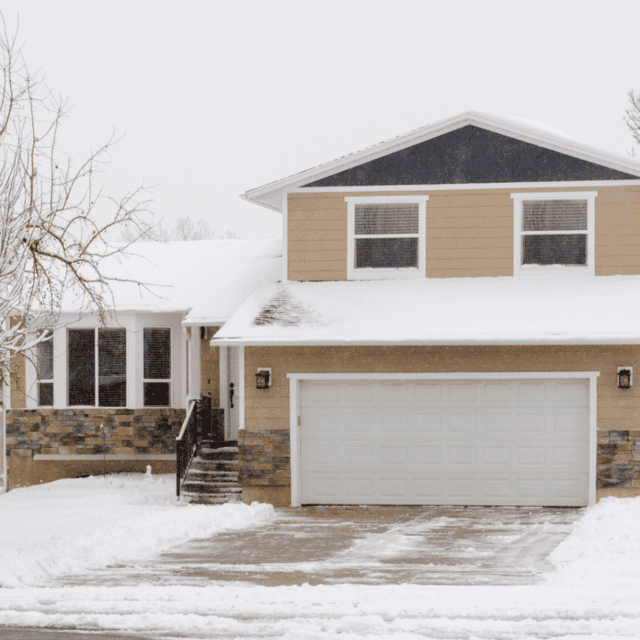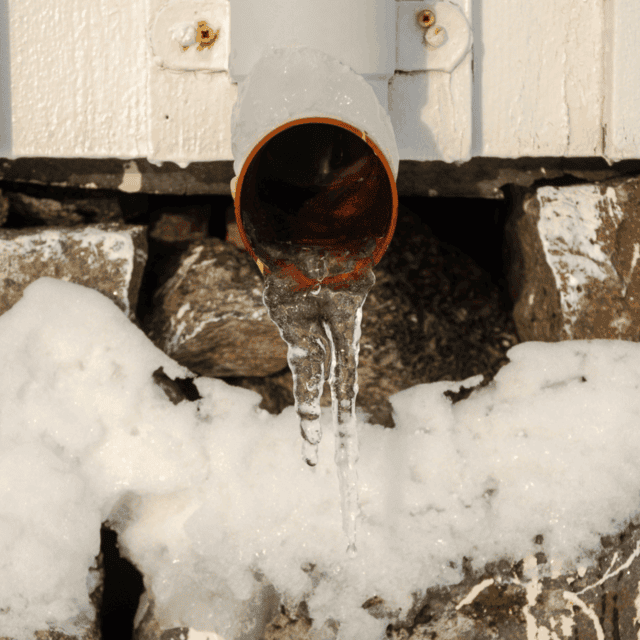

 It’s 6 AM on a Tuesday, and you’ve just discovered your bathroom faucet won’t work. The temperature outside hit 15 degrees last night. Your pipes are frozen, and you need to get to work in an hour. This scenario plays out in hundreds of Salt Lake City homes every winter.
The good news? You can handle this crisis with the right knowledge about frozen pipe repair and prevention.
Understanding the Dangers of Frozen Pipes
Frozen pipes are more than just an inconvenience. They’re a serious threat to your home. Water expands when it freezes, creating intense pressure inside your pipes.
This pressure can cause pipes to crack or burst completely. A single burst pipe can release hundreds of gallons of water into your home within hours.
The damage from a pipe burst goes beyond just wet floors. You might face ruined drywall, damaged furniture, destroyed electronics, and even mold growth. The average cost of water damage from burst pipes exceeds $5,000. Some homeowners face bills reaching $20,000 or more.
Signs of Frozen Pipes Every Homeowner Should Know
Catching frozen pipes early makes all the difference. Here are the warning signs to watch for:
Reduced Water Flow
Turn on your faucets. If only a trickle comes out or nothing flows at all, you likely have ice blocking your pipes.
Frost on Pipes
Visible frost or ice on exposed pipes is an obvious red flag. Check your basement, crawl spaces, and exterior walls.
Strange Smells
Odd odors coming from your drains or faucets can mean a complete blockage. The only place for sewer gases to escape is back through your fixtures.
Unusual Sounds
Listen for clanking, banging, or whistling when you turn on water. These noises often indicate ice formation.
Cold Spots
Feel along your walls, especially on exterior surfaces. Unusually cold areas might signal icy pipes behind the drywall.
How to Find Frozen Pipes in Your Home
Start your search in the most vulnerable areas. Pipes in unheated spaces freeze first. Check your basement, attic, garage, and crawl spaces carefully. Exterior walls are another hot spot, especially on the north side of your home where sunlight is limited.
Look for pipes near windows, vents, or any openings where cold air might seep in. Kitchen and bathroom sinks on outside walls are particularly at risk. Once you locate the frozen section, you’ll see frost or feel extreme cold when touching the pipe.
What to Do If Pipes Freeze: Immediate Steps
Time matters when dealing with icy plumbing. Follow these steps right away:
First, open the affected faucet. This allows water and steam to escape as the ice melts. Leave both hot and cold taps slightly open.
Second, keep your home warm. Turn up your thermostat and open cabinet doors under sinks. This lets warm air circulate around the pipes.
Third, never ignore the problem. Even if water still flows slowly, ice may be forming. Acting now prevents complete blockages and potential bursts.
Safe Ways to Thaw Pipes
If you can safely access the frozen pipe, you have several options for thawing:
Heat Lamp Method
Position a heat lamp or portable space heater near the frozen section. Keep it at least three feet away to prevent fire hazards. Never leave heating equipment unattended.
Hair Dryer Technique
A hair dryer works well for small frozen sections. Start closest to the faucet and work backward toward the coldest area. Keep the dryer moving to avoid overheating one spot.
Warm Towel Wrap
Soak towels in hot water and wrap them around the frozen pipe. Replace the towels as they cool. This gentle method works great but takes patience.
Heating Tape
For prevention and thawing, heating tape provides consistent warmth. Wrap it around vulnerable pipes following the manufacturer’s instructions carefully. Some types plug in while others are self-regulating.
How to Thaw Frozen Pipe: What NOT to Do
Avoid these dangerous mistakes:
Never use a blowtorch, propane heater, or any open flame. These can damage pipes, start fires, or cause pipes to burst from rapid heating.
Don’t use high heat settings on electrical devices. Extreme temperatures can crack pipes or melt plastic components.
Skip the shortcuts. Patience prevents disasters. Slow, steady warming is always safer than quick fixes.
When to Call a Pipe Thawing Service
Some situations require professional help immediately. Call an emergency plumber Salt Lake City residents trust if:
- You can’t locate the frozen section
- The frozen pipe is inside a wall or ceiling
- You’ve tried safe thawing methods without success
- You notice any cracks, leaks, or damage
- Multiple pipes are frozen
- You smell gas or see signs of flooding
Professional plumbers have specialized equipment like pipe steamers and thermal imaging cameras. These tools locate and thaw frozen pipes quickly and safely.
How Do Pipes Burst: The Science Behind the Break
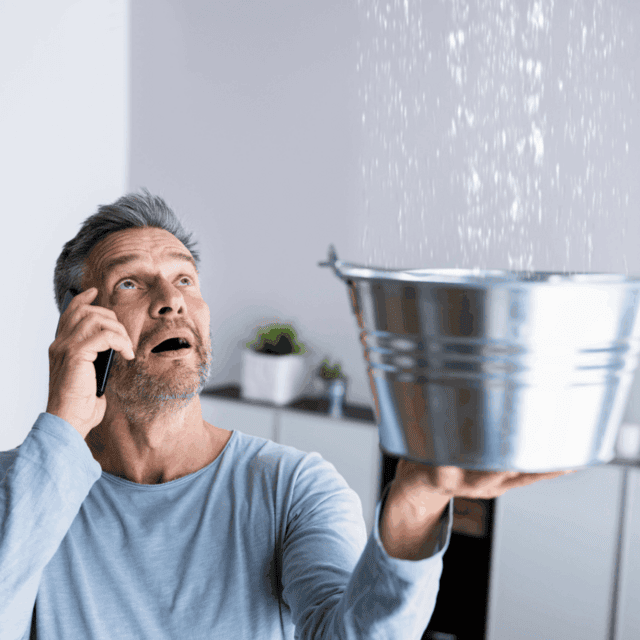 Understanding why pipes burst helps you prevent it. Ice doesn’t actually break pipes where it forms. Instead, the blockage creates a pressure buildup between the ice and a closed faucet. This pressure has nowhere to go.
The weakest point in the pipe gives way first. Often this happens downstream from the frozen area. That’s why you might see a leak or burst in a spot that never felt cold.
Metal pipes can withstand more pressure than plastic ones. But even copper and steel pipes have limits. When pressure exceeds those limits, the pipe fails.
Preventing Frozen Pipes Before Winter Hits
Prevention beats repair every time. Take these steps before temperatures drop:
Insulate pipes in unheated areas using foam pipe sleeves. Pay special attention to crawl spaces and attics.
Seal cracks and openings in exterior walls. Even small gaps let in enough cold air to freeze pipes.
Disconnect and drain outdoor hoses. Shut off water to exterior faucets and drain the lines.
Let faucets drip during extreme cold. Moving water resists freezing better than standing water.
Keep your thermostat consistent. Avoid major temperature drops, especially at night.
Open cabinet doors during cold snaps. This helps warm air reach pipes under sinks.
Emergency Preparedness for Salt Lake City Winters
Salt Lake City winters can be harsh and unpredictable. Keep these items on hand:
- A reliable plumber’s phone number programmed in your phone
- Extra towels and buckets for small leaks
- A working flashlight with fresh batteries
- Your water main shutoff valve location clearly marked
- Photos of your plumbing system for reference
Know where your main water shutoff is located before problems arise. In an emergency, shutting off water quickly limits damage.
The Cost of Frozen Pipe Repair vs. Prevention
Prevention costs far less than repairs. A few dollars of pipe insulation beats thousands in water damage restoration. Professional winterization services typically cost between $100 and $300. Compare that to average repair bills of $500 to $1,000 for basic thawing and minor repairs.
If pipes actually burst, costs skyrocket. You’ll pay for plumbing repairs, water damage restoration, potential mold remediation, and replacement of damaged belongings.
Protect Your Salt Lake City Home This Winter
Don’t wait until you hear water running in your walls or see puddles forming on your floor. Frozen pipe issues demand quick action and expert knowledge. While you can handle some prevention and minor thawing yourself, serious situations need professional attention.
Action Plumbing understands the unique challenges Salt Lake City winters bring to your home’s plumbing system. Our experienced team provides fast, reliable emergency plumber services 24/7.
Whether you need help thawing stubborn ice blockages, repairing damaged pipes, or winterizing your plumbing before the next cold snap, we’re here to help.