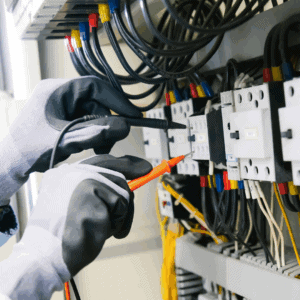

Whole home surge protectionIf you’ve lived in Utah for any amount of time, you know how unpredictable spring can be. One minute it’s sunny. The next, a thunderstorm is rolling through with lightning and high winds.

What most homeowners don’t realize? Those storms can send a powerful electrical surge straight through your home’s wiring. Your TV, fridge, HVAC system, washer, dryer; all of it is vulnerable.

The good news: whole home surge protection can stop that damage before it starts. Let’s talk about what it is, why it matters, and whether it’s worth it for your Utah home.

What Is Whole Home Surge Protection?

So, what exactly is a whole home surge protector? Simply put, it is a surge protective device that gets installed right at your electrical panel.

When a surge comes through, it intercepts that extra voltage and redirects it safely, before it ever reaches your outlets. Think of it like a bouncer at the door, keeping the bad stuff out so your home stays safe.

Surge Protector vs Power Strip: What’s the Difference?

This is where a lot of people get confused.

A regular power strip? It just gives you extra outlets. It offers zero protection unless it has a surge rating.

A point-of-use surge protector (the kind you plug electronics into) protects only the devices connected to it.

A whole home surge protector, on the other hand, protects everything at once:

  • Refrigerator
  • Washer and dryer
  • HVAC system
  • Smart TVs
  • Computers
  • Kitchen appliances

It works at the source, covering your entire home 24/7.

Why Utah Spring Storms Are a Real Threat

Utah spring storms are no joke. Thunderstorm season picks up every year, bringing lightning, wind, and all kinds of power disruptions. And you do not even need a direct lightning strike to have a problem. A nearby strike can still push a surge through the utility lines and right into your house.

Internal Power Surges from Appliances

Here is something that surprises a lot of people: surges do not only come from outside. Your own appliances can cause them too. Every time your air conditioner kicks on or shuts off, it creates a small internal power spike.

Over months and years, those little surges add up. That is why adding a surge protector for your air conditioner is a smart move, not just for storms, but for everyday wear and tear on your system.

Is Surge Protection Worth It?

We hear this one all the time, and we totally get it. It feels like just another thing to spend money on. But honestly, residential surge protection services can save you way more than they cost.

One good surge can take out your TV, your laptop, and your smart thermostat all in the same night. That is a painful and expensive replacement list.

Surge protection for appliances matters especially in homes where people have invested in nice things. High-end refrigerators, home theater setups, modern HVAC systems, these are not cheap to replace. A little proactive protection goes a long way toward keeping those investments safe.

When it comes to whole house surge protector cost, most homeowners spend somewhere between $200 and $300 total, parts and labor included.

Compare that to replacing several major appliances after a storm, and the math is pretty clear. It is one of those things where the upfront cost feels small once you see what you are protecting.

How Long Do Surge Protectors Last?

This surprises many homeowners: surge protectors don’t last forever.

Most whole home units last 2 to 5 years, depending on how many surges they absorb. After a major storm, the unit may be depleted, even if it looks fine.

Signs It May Be Time to Replace Yours:

  • Indicator light is off
  • You recently experienced a major storm
  • Frequent power outages
  • The unit is more than 3–5 years old

Having a licensed electrician inspect it every few years, especially after heavy storm activity, is a smart move.

What Does Surge Protector Installation Look Like?

Whole home surge protectionSurge protector installation is not a DIY project. Working inside an electrical panel is dangerous without proper training.

A licensed electrician installs the device directly into your main breaker panel, connecting it so it monitors all incoming power.

The process usually takes less than two hours. After that, it works automatically; no buttons, no maintenance, no daily attention needed.

If you need a trusted electrician in Salt Lake City, choose one who is licensed. Make sure they have experience with residential electrical service. Proper installation makes all the difference.

What If a Storm Already Hit Your Home?

Sometimes storms come out of nowhere and you just do not have time to prepare. If a surge has already caused damage, do not wait and hope it fixes itself.

Call an Emergency Electrician If You Notice:

  • Flickering or dimming lights
  • Burning smells near outlets or panels
  • Appliances that suddenly stop working
  • Circuit breakers that will not reset

Those are warning signs that need immediate professional attention.

A Two-Layer Protection Strategy

Most electrical professionals recommend a two-layer strategy.

Layer 1: Panel-Level Protection

Stops large surges entering from outside.

Layer 2: Point-of-Use Surge Protectors

Protects sensitive electronics like:

  • Computers
  • TVs
  • Gaming systems
  • Home office equipment

When buying plug-in protectors, don’t grab a basic power strip. Look for a surge protector with a joule rating of at least 1,000 joules for valuable electronics. The higher the rating, the more protection it can absorb.

Combine both layers, and your home has maximum defense against Utah’s storm season.

Quick Tips Before Storm Season Arrives

Want to get ahead of storm season? Here are a few easy things you can do right now:

  •     Book your surge protector installation with a licensed electrician before the storms start rolling in.
  •     Take a look at the point-of-use surge protectors you already own. If they are more than 3 years old, it is probably time to swap them out.
  •     Consider adding a dedicated device near your AC unit to cut down on internal surge wear over time.
  •     Store the number for emergency electrician services in your phone now, before you actually need it.

And do not forget to ask your electrician about the best breaker panel surge protector options for your specific home setup and budget. There is no one-size-fits-all answer, so getting a professional opinion makes a real difference.

Protect Your Home This Spring with Action Plumbing

You cannot control Utah’s spring weather, but you can absolutely control how prepared your home is for it. Whole home surge protection is one of the simplest, most affordable things you can do to protect the stuff you have worked hard for, your appliances, your electronics, and your peace of mind.

At Action Plumbing, helping Utah homeowners stay safe and protected year-round is what we do. Whether you are ready to schedule your installation, want to know more about whole house surge protector cost, or need emergency help after a storm hits, our team is just a call away.

Reach out to Action Plumbing today and let’s get your home storm-ready before spring season arrives.

EV charger installationThe electric vehicle revolution is here, and more homeowners are making the switch every day. If you’ve recently purchased an EV or are thinking about it, you’re probably wondering about the best way to charge it at home.

While you could use a standard outlet, a dedicated home EV charger installation makes life so much easier. Let’s walk through everything you need to know before you plug in.

Why Install a Dedicated Home Electric Vehicle Charger?

Think about charging your phone with a slow charger versus a fast one. That’s basically the difference between a regular outlet and a Level 2 EV charger. A standard wall outlet might take 24 hours or more to fully charge your electric car.

A Level 2 charging station can do the same job in just 4 to 8 hours. That means you can plug in when you get home from work and wake up to a fully charged vehicle every morning.

Beyond convenience, having your own charging station at home saves you money over time. Public charging stations often charge premium rates, especially the fast-charging ones.

When you charge at home, you’re only paying your regular electricity rate, which is usually way cheaper. This makes electric car home charging one of the most cost effective ways to keep your vehicle powered up and ready to go.

Understanding Your Charging Options

Before we get into the installation stuff, let’s talk about what you’re actually installing. There are three levels of EV charging, but only two really matter for home use.

Level 1 EV Charging

Level 1 charging uses your standard 120-volt outlet. It’s slow but doesn’t require any special equipment beyond the cord that comes with your car. This works fine if you don’t drive much or have all night to charge.

Level 2 EV Charger Installation

Level 2 EV charger installation is what most people go with for home use. These units run on 240 volts, the same power that runs your electric dryer or oven. They charge your vehicle much faster and work with all electric vehicles, including Tesla charger installation with the right adapter.

What Affects Electric Vehicle Charger Cost?

Here’s where things get interesting. The total cost of setting up home electric car charging varies quite a bit. The charging unit itself typically runs between $300 and $1,200, depending on features and brand. But that’s just the equipment.

Installation costs depend on several things. If your electrical panel is close to where you want the charger and you have available capacity, installation might cost $500 to $1,000. Pretty straightforward.

However, many homes need electrical upgrades to handle the additional load. Home electrical upgrades can add $1,000 to $3,000 to your total EV charging station cost.

Distance matters too. Want your charger on the opposite side of the house from your electrical panel? You’ll pay more for the additional wiring needed.

The complexity of running that wire also affects the price. Going through walls or underground costs more than a simple surface mount.

Do You Need to Upgrade Your Electrical System?

This is one of the most important questions to answer early on. Most Level 2 EV charger installation requires a 40 to 50-amp dedicated circuit. Your electrical panel needs to have the capacity to handle this extra load on top of everything else your home uses.

Many older homes have 100-amp or 150-amp panels. If your panel is already running near capacity, you might need an upgrade to a 200-amp service. It’s a significant project but it’s necessary for safe operation. An electrician near me can check out your current system and let you know what’s required.

You may need an electrical panel upgrade if you notice:

  • Frequently tripping breakers
  • Dimming lights when appliances turn on
  • An older panel with limited breaker space
  • A 100-amp or 150-amp service already near capacity

Choosing the Right Location

When choosing a charger location, consider:

  • Proximity to where you park regularly
  • Distance from the electrical panel
  • Charging cable length (typically 16–25 feet)
  • Protection from rain and direct sunlight
  • Garage vs. outdoor installation

Smart Features Worth Considering

EV charger installationModern charging stations offer some really cool features.

WiFi and App-Based Charging Control

WiFi connectivity lets you monitor charging from your phone and schedule charging during off-peak hours when electricity rates are lower. Some units track your energy usage so you can see exactly what you’re spending.

Load Management and Future-Proofing

Voice control integration with systems like Alexa or Google Home adds extra convenience. Load management features are pretty smart too, especially if you have multiple EVs or might add solar panels later.

These systems automatically balance power draw to prevent overloading your electrical system.

The Installation Process

Here’s what actually happens during a professional installation. First, an EV charger electrician near me will check out your electrical panel and the installation location. They’ll verify you have adequate capacity or recommend any necessary upgrades.

Next, they’ll run the appropriate wiring from your panel to the charging location. This includes installing a new dedicated circuit breaker. They’ll mount your charging station securely to the wall and make all the electrical connections. Finally, they’ll test everything to make sure it’s working safely and correctly.

The whole process typically takes 4 to 8 hours for a straightforward installation. More complex jobs requiring electrical panel upgrades might take a full day or spread across two visits.

Permits and Inspections

We know, we know. Paperwork isn’t exciting. But most areas require permits for this type of electrical work. Your electrician should handle pulling the necessary permits, which usually cost $50 to $200.

After installation, an inspector will verify if the work meets local codes. This protects you and ensures everything is safe.

Don’t skip this step or try to avoid it. Unpermitted work can cause headaches when selling your home and might void your homeowner’s insurance if something goes wrong. Trust us, it’s worth doing it right.

Available Rebates and Incentives

Here’s some good news. Many utility companies offer rebates for installing home charging stations. Federal tax credits may also apply to both the equipment and installation. Some states and local governments offer additional incentives too.

Check with your utility company first. Then research federal incentives on the IRS website or through your tax professional. These savings can really reduce your total out-of-pocket costs and make your investment even more cost effective.

Making the Smart Choice for Your Home

Installing a home charging station is honestly a smart move if you own an electric vehicle. You’ll enjoy the convenience of always starting your day with a full charge, save money compared to public charging, and add value to your home.

The key is working with qualified professionals who understand both electrical systems and EV charging requirements. Proper installation ensures safety, reliability, and optimal performance for years to come.

Ready to Power Up Your EV at Home?

Action Plumbing has experienced electricians ready to help you with your EV charging station installation. We’ll take a look at your electrical system, recommend the right solutions for your needs, and handle everything from permits to final inspection.

Our team stays current with the latest technology and local codes to ensure your installation is done right the first time. 

Contact Action Plumbing today for a free consultation and quote. Let’s get your electric vehicle charging at home the smart, safe, and convenient way.

circuit breaker keeps trippingThe movie just hit the best part when everything goes black. You trudge to the basement, flip the breaker, and head back upstairs. Ten minutes later, darkness again. If your circuit breaker keeps tripping, you know this frustration all too well.

Good news first. A tripping breaker means your safety system is working. It’s stopping dangerous electrical overloads before they start fires.

The bad news? Constant tripping signals a problem that won’t fix itself. Let’s figure out what’s really going on.

What Does a Circuit Breaker Actually Do?

Think of your circuit breaker as a safety guard for your home. It watches over the electrical current flowing through your wires. When too much electricity tries to pass through, the breaker flips off. This prevents wires from overheating and stops potential fires before they start.

Your breaker box is like the brain of your home’s electrical system. Each switch controls power to different areas. When one trips, it’s sending you a warning message.

Common Reasons a Circuit Breaker Keeps Tripping

An Overloaded Circuit

This is the number one culprit. An overloaded circuit happens when you ask too much from one electrical line. Picture a garden hose. If you try to push too much water through it, something has to give.

Modern homes use more power than ever before. We charge phones, run computers, use air fryers, and stream movies all at once. Sometimes our older electrical systems just can’t keep up.

You might notice this problem in your kitchen. Running the microwave, coffee maker, and toaster at the same time often causes a trip. The same thing happens in bathrooms when you use a hair dryer while the curling iron is plugged in.

Many people make the mistake of daisy-chaining extension cords together or plugging power-hungry appliances into them. Extension cords are meant for temporary use only. They’re not designed to handle heavy loads for long periods. Using them as permanent solutions often leads to overheating and tripped breakers.

Short Circuits

A short circuit is more serious than an overload. This happens when a hot wire touches a neutral wire or the metal box. It creates a sudden surge of electricity. Your breaker responds immediately by shutting off.

You might have a short circuit if you notice burn marks near outlets or smell burning. Never ignore these signs. They point to bigger electrical panel problems that need professional help.

Problems with electrical wiring often develop over time. Rodents can chew through insulation. Nails from home improvements can pierce wires. Even settling foundations can stress and damage wiring connections.

Ground Faults

Ground faults are similar to short circuits. They occur when electricity takes an unintended path to the ground. Ground faults commonly occur in:

  • Kitchens
  • Bathrooms
  • Laundry rooms
  • Outdoor outlets

That’s why building codes require special outlets in these spots. A ground fault circuit interrupter (GFCI) provides extra protection. These outlets have test and reset buttons. They’re designed to trip faster than regular breakers when they detect moisture or irregular current.

Old or Faulty Breakers

Breakers don’t last forever. After years of use, they can wear out. The internal parts get tired. A worn-out breaker might trip even when nothing is wrong with the circuit.

If your home is more than 20 years old, your electrical panel might need updating. Old panels can’t handle the power demands of modern living. The electrical wiring in older homes may also be outdated and unable to support current appliance loads.

Home Electrical Troubleshooting Steps You Can Try

Before calling for help, here are some home electrical safety tips you can follow.

Identify the Problem Circuit

First, figure out which breaker keeps tripping. Look at your breaker box. The tripped breaker will be in a middle position or switched to “off.” Flip it back to “on” and see what happens.

Pay attention to what you were doing when it tripped. This gives you clues about the cause.

Unplug Devices

Once you know the problem circuit, unplug everything connected to it. Then reset the breaker. If it stays on, start plugging devices back in one at a time. When the breaker trips again, you’ve found the problematic appliance.

Don’t forget to check for extension cords hiding behind furniture. A single overloaded cord can cause repeated tripping.

Check for Visible Damage

Look at your outlets and switches. Do you see any discoloration, cracks, or burn marks? Can you smell anything unusual? These are warning signs that require immediate attention.

Test Your GFCI Outlets

For GFCI outlet troubleshooting, press the test button monthly. The reset button should pop out. If it doesn’t, the outlet might be faulty.

Press reset to restore power. If it won’t stay reset, you need a replacement.

When to Call a Professional

circuit breaker keeps trippingSome electrical problems are beyond DIY fixes. Here’s when you need residential electrical repair services.

Frequent Tripping

If the same breaker trips repeatedly, even after unplugging devices, call a professional. This suggests wiring problems or a faulty breaker. Continuing to reset it without fixing the root cause is dangerous.

Multiple Breakers Trip

When several breakers trip at once, you have a serious issue. This could mean problems with your main electrical panel. Don’t try to fix this yourself.

You See Sparks or Smell Burning

These are emergency situations. Sparks and burning smells indicate immediate danger. Turn off the main breaker if safe to do so. Then search for “residential electrical repair near me” right away.

Your Lights Dim

If lights dim when you use certain appliances, your electrical system is struggling. This is one of the common electrical problems at home that points to insufficient power supply or wiring issues.

Your Home is Older

Homes built before 1990 often need electrical updates. Old wiring can’t safely handle modern power needs. An electrical safety inspection can identify potential hazards before they become emergencies.

The Importance of Electrical Fire Prevention

Electrical fires cause thousands of home fires each year. Many start in the electrical panel or from faulty wiring. Taking electrical problems seriously is part of electrical fire prevention.

  • Never ignore repeated breaker trips
  • Never bypass safety devices
  • Never install a higher-amp breaker than recommended

Regular electrical safety inspections catch problems early. A licensed electrician can spot issues you might miss. They check connections, test circuits, and ensure everything meets current safety codes.

Understanding Breaker Box Repair

Sometimes the solution involves breaker box repair or replacement. Modern electrical panels are safer and more efficient than older models. They include better protection features and handle more circuits.

Upgrading your panel isn’t just about fixing problems. It’s also about preventing future issues. It adds value to your home and gives you peace of mind.

Don’t Ignore the Signs

Your electrical system talks to you through warning signs. A circuit breaker that keeps tripping is saying something needs attention.

Maybe you need to redistribute your electrical load. Perhaps an appliance is failing. Or your home might need a system upgrade.

Whatever the cause, addressing it quickly protects your family and property. Electrical problems don’t fix themselves. They usually get worse over time.

Get Expert Help from Action Plumbing

When you’re dealing with persistent electrical issues, you need experienced professionals who understand home electrical troubleshooting inside and out. At Action Plumbing, our licensed electricians have seen it all. We diagnose the real problem quickly and fix it right the first time.

Don’t let a tripping breaker disrupt your daily life or put your home at risk. Our team provides thorough electrical safety inspections and reliable repairs. We’ll help you understand what’s happening and explain your options in plain language.

Contact Action Plumbing today for safe, professional electrical service you can trust.

GFCI outletsYou know those outlets in your bathroom with the little test and reset buttons? The ones you’ve probably wondered about but never really looked into? Well, those are GFCI outlets, and they’re quietly doing some pretty important work.

In fact, they might just be the most underappreciated safety feature in your entire house. Unlike regular electrical outlets, these special ones are designed to protect you from dangerous shocks. Let’s dive into what makes them so special and why you’ll want to make sure you have them in the right places.

What Is a GFCI Outlet?

Okay, so GFCI stands for Ground Fault Circuit Interrupter. We know, it sounds technical. But here’s the simple version.

It’s basically an outlet with a brain. And that brain has one job: keep you from getting shocked.

Here’s how it works. The GFCI constantly monitors the electricity flowing through it. It’s checking to make sure all the power going out is coming back. If even a tiny bit goes somewhere it shouldn’t, like through water or, worse, through you, the GFCI cuts the power instantly.

And when we say instantly, we mean it. We’re talking 1/40th of a second. That’s literally faster than you can blink. This split second reaction is what makes these outlets so good at saving lives.

Why GFCI Outlets Are Essential for Your Home

So why are these things required by code anyway? Well, since the 1970s, GFCI outlets have prevented thousands of deaths from electrocution. That’s not an exaggeration. The National Electrical Code keeps expanding where they’re required because they work so well.

Think about it. Water and electricity don’t mix. At all. Anywhere you might have wet hands or damp surfaces, you need extra protection.

That’s why building codes focus heavily on bathrooms, kitchens, and outdoor areas.

Plus, having proper electrical safety features can sometimes help with your homeowner’s insurance. But honestly, the real benefit is knowing your family is protected from accidents that are totally preventable.

Where You Actually Need These Outlets

Let’s talk about the spots in your home that need GFCI protection. You might be surprised by some of these.

  • Bathrooms: Every outlet, no exceptions
  • Kitchen countertops: Any outlet within six feet of a sink
  • Outdoor outlets: Exposed to rain, sprinklers, and moisture
  • Garages: Concrete floors and damp conditions increase risk
  • Laundry rooms: Especially near washing machines
  • Crawl spaces and unfinished basements: Often damp and enclosed

Should You Install Them Yourself?

Now, we get it. You might be handy around the house. Maybe you’ve changed out a light switch or two. But GFCI outlet installation is a different ballgame, and here’s why you should probably call a licensed electrician.

Why GFCI Outlet Installation Is Dangerous

Electricity can kill you. That’s not being dramatic. One wrong move and you could be seriously hurt or worse. Professional electricians train for years to work safely with electrical systems.

Common GFCI Wiring Mistakes

Installing these outlets correctly is trickier than you’d think. If you’ve ever looked at a GFCI outlet wiring diagram, you know what that means. There are multiple wires involved, and they have to be connected in a very specific way.

Mix up your line and load wires, and the outlet won’t actually protect you. You’ll think you’re safe, but you won’t be.

Third, you might need permits and inspections. A professional knows your local codes inside and out. They’ll make sure everything is done right, which matters a lot if you ever sell your home.

GFCI Outlet Installation Cost

As for GFCI outlet installation cost, you’re typically looking at $130 to $300 per outlet for professional work. That includes the outlet and labor. Honestly, it’s a pretty small investment for something that could save your life.

What to Do When Your GFCI Outlet Not Working

So you’ve got a GFCI outlet not working. Don’t panic. Let’s troubleshoot this together.

How to Reset a GFCI Outlet

The most common thing is a tripped outlet. See that test button popped out? The outlet detected something weird and shut everything down.

To reset GFCI outlet, just push that reset button firmly until you hear it click. If it stays in, you’re good to go.

Why a GFCI Keeps Tripping

If it trips again right away, that’s telling you something. There’s probably a real problem somewhere. It could be an issue with the outlet itself, or sometimes the problem traces back to your electrical panel.

Don’t keep resetting it over and over. That’s like ignoring your check engine light.

When to Replace a GFCI Outlet

Sometimes the outlet itself is just worn out. These things don’t last forever. You should test them monthly by pressing that test button. And plan on replacing them every 10 to 15 years, even if they seem fine.

Water damage can also kill a GFCI. If moisture gets inside, it can fry the internal components. This happens a lot with outdoor outlets that don’t have proper covers.

If your GFCI won’t reset or keeps tripping, call in the pros. This isn’t something to mess around with. A qualified electrician can figure out what’s actually going on and fix it safely.

GFCI vs AFCI: What’s the Difference?

GFCI outletsYou might have also heard about AFCI outlets. They sound similar, but they do different things. Let me break down GFCI vs AFCI outlet for you.

GFCI outlets protect you from shocks. They’re watching for ground faults where electricity takes an unexpected path, usually through water or a person.

AFCI outlets protect against fires. They detect arc faults, which are basically dangerous sparks in damaged or old wiring. These sparks can start fires inside your walls.

Some modern homes use combination devices that do both jobs. Your electrician can tell you what makes sense for different areas of your house based on the latest codes.

When It’s Time for a Change

You may need GFCI outlet replacement if:

  • The outlet is 15 years old or older
  • You see cracks, burn marks, or looseness
  • The test button doesn’t trip the outlet
  • The outlet won’t reset or trips frequently
  • You want to upgrade to newer, more reliable models

The Real Deal on Electrical Safety

Look, GFCI outlets aren’t glamorous. Nobody gets excited about them. But they’re absolutely essential for home electrical safety. They stop dangerous shocks before they happen, and building codes require them in wet areas for very good reasons.

The key is keeping them maintained. Test them monthly. It takes two seconds.

And if something seems off, get it checked out right away. This isn’t the kind of thing you want to put off.

Let’s Make Your Home Safer

At Action Plumbing, we take your family’s safety seriously. Our team has seen firsthand what happens when electrical safety gets overlooked, and we’re here to make sure your home is protected.

We handle everything from GFCI outlet installation to outlet replacement and complete residential electrical services. Whether you need new electrical outlets installed or your electrical panels inspected, we’ve got you covered.

You shouldn’t have to worry about whether your electrical system is safe. Our licensed electricians will check your home, tell you exactly what you need, and get the work done right. No cutting corners, no guesswork.

Ready to make sure your home has the protection it needs? Give Action Plumbing a call today. We’ll schedule an electrical safety inspection and give you real peace of mind. Because your family deserves to be safe, and we know how to make that happen.

flickering lights in houseYou’re sitting on your couch watching TV when you notice the lights start to flicker. Maybe it happens once and stops. Or maybe it keeps going. Either way, it’s annoying and a little unsettling.

Flickering lights in house setups are more common than you might think. But the big question is: when should you worry? And when is it time to call a professional?

Let’s break down what causes lights to flicker and help you figure out if you need to take action.

Common Causes of Flickering Lights

Loose Light Bulbs

This is the easiest fix. Sometimes a bulb just isn’t screwed in all the way. When the connection isn’t tight, you’ll see flickering.

Try this first: turn off the light and let the bulb cool down. Then screw it in firmly. If the flickering stops, problem solved.

Problems with Your Light Switch

A faulty light switch can cause all kinds of issues. Over time, switches wear out. The internal connections get loose or damaged.

If you notice flickering LED lights only when you use a certain switch, that’s a clue. The switch might be going bad. This is especially true in older homes where switches haven’t been replaced in years.

Voltage Fluctuations in Your Home

Your home’s electrical system should provide steady voltage. But sometimes that voltage goes up and down. These voltage fluctuations can make your lights flicker.

Big appliances can cause this. When your AC unit kicks on or your dryer starts, it pulls a lot of power. This can cause a brief dip in voltage that makes lights flicker.

If this happens occasionally, it’s usually normal. But if it happens all the time, you might have a bigger issue.

Power Surges in Home Electrical Systems

Power surges in home setups are the opposite of voltage dips. They happen when there’s a sudden increase in electrical current.

Lightning strikes can cause surges. So can problems with the power company’s equipment. Even turning on large appliances can create small surges.

Repeated surges can damage your electronics and cause lights to flicker. If you notice frequent surges, it’s worth investigating.

When Flickering Lights in House Signal Trouble

Lights Flickering in One Room

When lights flickering in one room becomes a pattern, pay attention. This usually means the problem is isolated to that room’s circuit.

It could be a loose connection in an outlet or switch. Or there might be an issue with the wiring in that specific area. Either way, this needs professional attention.

Don’t ignore this warning sign. Problems in one circuit can spread or get worse over time.

Lights Flickering Throughout House

This is more serious. When lights flickering throughout house becomes constant, you likely have a major electrical issue.

The problem could be at your electrical panel. It might be your main service connection. Or you could have issues with the utility company’s equipment.

This kind of widespread flickering needs immediate attention from a residential electrician. It could indicate dangerous electrical wiring problems that put your home at risk.

The Danger of a Loose Neutral Wire

One of the most dangerous causes of flickering is a loose neutral wire. The neutral wire completes the electrical circuit and provides a return path for current.

When this wire gets loose, it causes big problems. You might see extreme brightness changes in your lights. Some bulbs might get very bright while others dim.

A loose neutral wire can cause fires. It can damage your appliances and electronics. This is an emergency that requires immediate professional help.

LED Lights and Flickering

LED bulbs are great for saving energy. But they can be sensitive to electrical issues that old incandescent bulbs would ignore.

If you’re seeing flickering LED lights, it might not be the bulb’s fault. LEDs can reveal problems that were always there but weren’t noticeable before.

Incompatible dimmer switches cause a lot of LED flickering. Old dimmers were made for incandescent bulbs. They don’t always work well with LEDs.

Using the wrong type of bulb for your fixture can also cause issues. Make sure your LED bulbs are compatible with your fixtures and switches.

Signs You Need an Electrical Inspection

Some situations call for a complete electrical inspection. Here’s when to consider one:

  • Your home is more than 25 years old and hasn’t had an electrical update
  • You’re adding major appliances or doing a renovation
  • You’re buying a home and need a pre-purchase inspection
  • You smell burning odors near outlets or switches
  • Your circuit breakers trip frequently

DIY Fixes vs. Professional Help

flickering lights in houseSome flickering issues are easy to fix yourself. Tightening a loose bulb or replacing an old one costs nothing and takes seconds.

But know your limits. Electrical work can be dangerous if you don’t know what you’re doing.

Never attempt to fix electrical wiring problems yourself unless you’re trained. The risks are too high. Electrical fires can destroy homes and hurt people.

Here’s a good rule: if the fix involves anything beyond changing a bulb or resetting a breaker, call a professional.

What to Expect from a Professional Electrician

When you call for home electrical repair, here’s what happens:

The electrician will ask about your flickering problems. They’ll want to know when it happens and where.

They’ll inspect your electrical panel and check connections. They will also test voltage levels and look for loose wiring.

They might use special tools to measure current and find problems. Good electricians have equipment that can spot issues you can’t see.

After the inspection, they’ll explain what they found. They’ll give you options for fixing the problems and tell you what it will cost.

Preventing Future Flickering Problems

Once your flickering is fixed, you want to keep it that way. Here are some tips:

  • Avoid overloading circuits
  • Upgrade outdated wiring in older homes
  • Install surge protectors for sensitive electronics
  • Schedule regular electrical inspections
  • Replace worn switches and outlets

The Bottom Line on Flickering Lights

Flickering lights aren’t always a big deal. Sometimes it’s just a loose bulb or a normal voltage dip when an appliance starts up.

But flickering can also signal serious problems. Issues with your electrical panel, loose connections, or faulty wiring all need professional attention.

When in doubt, err on the side of caution. The cost of an inspection is small compared to the cost of electrical damage or fire.

Trust your instincts. If something feels wrong with your electrical system, it probably is.

Get Expert Help Today

Don’t let flickering lights keep you in the dark about your home’s electrical health. If you’re experiencing persistent flickering, unusual dimming, or any other electrical concerns, Action Plumbing is here to help.

Our experienced team provides thorough electrical inspections and reliable repairs to keep your home safe and your lights shining steady. When you need a trusted electrician near me, we’re just a phone call away.

Contact Action Plumbing, Heating, Air & Electric today for fast, professional service you can count on.

electrical panel upgradeLet’s talk about something you probably don’t think about very often. Your home’s electrical panel is working behind the scenes every single day. It’s like the heart of your house, pumping power to every room and keeping everything running.

But here’s the thing: just like a heart can weaken over time, your circuit breaker panel can become outdated or downright unsafe. Knowing when you need an electrical panel replacement could literally save your home from serious damage or even prevent a fire.

So What Does Your Electrical Panel Actually Do?

Think of your main electrical panel as mission control for your house. It takes all that electricity coming in and divides it up into different circuits. Each circuit powers different areas, like your kitchen, bedrooms, or that air conditioner you can’t live without in summer.

When too much electricity tries to flow through a circuit, the breaker trips. It just shuts off. This isn’t annoying on purpose.

It’s actually protecting your wiring from overheating. Your panel is working 24/7 to keep your family safe.

Here’s something interesting. Most modern homes use a 200 amp panel. But if you’ve got an older home, you might be dealing with a 100 amp vs 200 amp panel situation.

And honestly, as we all use more devices and appliances than ever before, that older 100 amp system is probably struggling to keep up.

Red Flags That Scream You Need a Breaker Box Upgrade

Your home gives clear signals when the electrical panel is no longer doing its job safely.

Breakers Trip Constantly

Occasional breaker trips are normal. Frequent trips are not. If you are resetting breakers every week, your panel is overloaded and no longer capable of handling your electrical usage.

Scorch Marks or Burning Smells

Black marks around breakers or a burning odor are serious warning signs. These point to dangerous overheating and a high risk of electrical fire. This situation requires immediate attention.

The Panel Feels Hot

Your electrical panel should feel cool or only slightly warm. If it feels hot to the touch, excess resistance is building inside the system. That heat can quickly turn into a fire hazard.

You Still Have a Fuse Box

Homes built before the 1960s often still use fuse boxes. These systems are outdated and were not designed for modern electrical loads. If you are still replacing fuses, it is time for a fuse box replacement.

Flickering or Dimming Lights

If your lights dim when the microwave or air conditioner turns on, your panel is struggling to supply enough power. This is a common sign that your electrical service is undersized.

No Space for New Circuits

Planning a home office, remodel, or electric vehicle charger but have no room for additional circuits? That usually means your panel has reached its limit.

Your Panel Is Near the End of Its Lifespan

Electrical panels typically last 25 to 40 years. If your home is older and still has its original panel, an inspection is a smart move even if there are no obvious problems.

Why Panel Size Actually Matters

Let me break down the whole 100 amp versus 200 amp thing.

100 Amp Panels

  • Designed for older homes
  • Struggles with modern appliances
  • Limited room for expansion

200 Amp Panels

  • Supports today’s power demands
  • Allows for EV chargers, home offices, additions
  • Adds resale value

Let’s Talk About Electrical Panel Safety

This isn’t something to take lightly, folks. Your panel is handling thousands of watts of power every single day. When it fails, things can get bad fast.

Older panels have issues such as:

  • Lack of modern arc fault protection
  • No ground fault protection
  • Higher risk of electrical fires
  • Known hazardous panel brands (Federal Pacific, Zinsco)

Electrical Panel Upgrades and Staying Up to Code

electrical panel upgradeBuilding codes aren’t static. They change to make homes safer. What was perfectly legal 30 years ago might not meet electrical code compliance today. And when you go to sell your home, inspectors are going to check your electrical system carefully.

An outdated panel can actually kill a home sale. Buyers often want it fixed before they’ll close. So why not get ahead of it? You’ll protect your investment and keep your family safe right now instead of waiting.

What’s This Going to Cost Me?

We know this is what everyone wants to know. The electrical panel cost varies based on a few things.

The size of your new panel matters. So does the condition of your existing wiring. And don’t forget local permit fees.

Most residential electrical panel upgrades run between $1,500 and $4,000. That includes the panel itself, labor, permits, and inspection fees. If your home needs new wiring or upgrades to the service line, the price goes up from there.

We get it. That’s real money. But think of it this way. You’re investing in safety and in your home’s value.

A new panel protects your biggest asset and prevents way more expensive fire damage down the road. Plus, it can actually lower your insurance risk.

Why You Need a Pro for This Job

Look, we’re all for DIY projects. But electrical panel work? That’s not one of them. This job absolutely requires a licensed electrician near me who knows local codes and safety procedures inside and out.

You’re dealing with live electrical service here. One mistake can be fatal without proper training.

  • Licensed electricians understand local codes
  • Proper permits and inspections are handled
  • Correct panel sizing prevents future issues
  • Safer installation of live electrical service

When you’re looking for someone, find electricians with solid reviews and proper licensing. Ask specifically about their experience with panel upgrades. The right professional makes this whole thing smooth and honestly pretty stress-free.

It’s Not Just About Safety

Upgrading your panel improves daily comfort and convenience. Your home can run multiple appliances without flickering lights or tripped breakers.

Updated electrical systems increase property value, simplify home inspections, and may reduce insurance premiums. Most importantly, they provide peace of mind knowing your family is protected.

When Should You Actually Do This?

Do not wait for a failure. If you notice warning signs, schedule an inspection right away. Spring and fall are ideal times since power will be off for several hours during installation.

If you are planning renovations, upgrading your panel at the same time can save money and ensure your new space has adequate power.

Ready to Make Your Home Safer?

Your home’s electrical system is way too important to ignore or put off. If you’ve noticed any of those warning signs we covered, it’s time to do something about it. An electrical panel upgrade protects your family, your home, and gives you real peace of mind.

Action Plumbing provides expert residential electrical services to keep your home safe and up to code. Our licensed electricians have years of hands-on experience with electrical panel replacement and breaker box upgrades.

We’ll inspect your current system, explain your options in plain English, and complete your upgrade efficiently. Don’t gamble with your home’s electrical safety. 

Contact Action Plumbing, Heating, Air & Electric today to schedule your electrical panel inspection and get a free estimate on the upgrade your home needs.

Electrical repairsWe get it. There’s nothing quite like the feeling of fixing something around your house yourself. You save money, learn something new, and get bragging rights at the next cookout. But here’s the thing: when it comes to electrical repairs, that DIY spirit can actually put you and your family in real danger.

Why Electrical Work Is in a League of Its Own

Look, fixing a leaky sink or patching drywall is one thing. But your home’s electrical system? That’s a whole different ball game. We’re talking about serious risks here.

Electrical safety isn’t just a suggestion. One mistake with electricity can start a fire, cause severe injuries, or worse.

Here’s something that might surprise you. Thousands of house fires happen every year because of faulty wiring and botched electrical repair jobs. That’s not meant to scare you, but it’s the reality we’re dealing with.

And here’s another kick in the pants. If you do electrical work yourself without the right permits, your insurance company might refuse to cover any damage. Imagine losing your home because you wanted to save a few bucks on a simple repair. Not worth it, right?

Your Electrical Panel Is Not a DIY Zone

Think of your electrical panel as mission control for your home’s power. It sends electricity where it needs to go and keeps everything from overloading. When something goes wrong here, you really need to call a licensed electrician near me.

Why Electrical Repairs on Breakers Are Dangerous to DIY

Never, and we mean never, try breaker repair on your own. These things handle enough power to seriously hurt you. If your breakers keep tripping, you smell something burning near the panel, or you see any damage, it’s time to call the pros.

Benefits of Professional Electrical Panel Inspections

A trained technician knows exactly how to work with live panels safely. They can spot problems you’d probably miss. Getting a professional electrical inspection of your panel is like getting an insurance policy against disaster.

Electrical Repairs: Stay Away from Wiring Projects

Maybe you want to add an outlet in your garage. Or install some fancy new light fixtures. These projects might look simple on YouTube, but trust us, they’re not. Wiring repair and installation need serious know-how about codes and safety rules.

Got an older home? Then you might have outdated wiring that can’t handle all your modern gadgets and appliances. Things like aluminum wiring or old knob and tube systems are tricky to work with.

Plus, electrical components wear out over time. A skilled electrician knows these systems inside and out.

Residential electrical codes exist for a good reason. They make sure your wiring won’t overheat and start a fire. They also ensure everything’s grounded properly so you don’t get shocked. These rules change all the time, and professionals stay on top of them.

When You Can’t Wait for Help

Some electrical problems are emergencies. Period. If you see sparks coming from an outlet, smell burning, notice all your lights flickering, or feel heat coming from your panel, you need emergency electrical services right now.

These warning signs mean you could have a fire any minute. Don’t wait until tomorrow. Don’t try to fix it yourself.

Pick up the phone and call an electrician immediately. Most companies have someone on call 24/7 for exactly these situations.

Lost power but your neighbors still have theirs? That’s another call-right-now situation. The problem might be with your service entrance or main panel. These are definitely areas where only qualified electricians should be poking around.

Business Owners Need to Be Extra Careful

If you own a business, listen up. The rules for commercial electrical work are even stricter than for homes.

  • Commercial systems handle higher loads
  • Three-phase power and specialized equipment
  • Stricter code requirements
  • Higher liability if something goes wrong
  • Insurance implications for businesses

The Stuff You Can’t See Will Hurt You

Electrical repairsHere’s what makes electrical work so tricky. A lot of problems hide until it’s too late. You might overload a circuit or wire something wrong, and it’ll seem fine at first.

But months or years later, boom. Fire or electrocution.

Professional electrical diagnostic services use special tools to find these hidden dangers. Thermal cameras spot hot spots. Voltage testers make sure everything’s grounded right. You probably don’t have this equipment sitting in your garage.

Even swapping out an outlet can get complicated fast. You might not realize it’s connected to a GFCI circuit or part of a three way switch. What seemed like a five minute job suddenly has you scratching your head with wires everywhere.

Don’t Wait for Things to Break

You know what’s better than fixing problems? Preventing them in the first place.

Benefits of Regular Electrical Maintenance

Regular electrical maintenance catches the small stuff before it becomes dangerous. A pro can spot worn connections and potential fire hazards during a routine checkup.

Why Electrical Inspections Matter

Get an electrical inspection every few years, especially if your home is older. During this visit, the electrician will test your circuits, look at your panel, check your outlets, and point out any safety concerns. It’s way cheaper than dealing with an emergency later.

Hire Pros for New Electrical Installations

When you need electrical installation for new stuff like a hot tub, generator, or electric vehicle charger, hire someone who knows what they’re doing. Getting it right the first time saves you headaches down the road.

Okay, What Can You Actually Do?

You’re probably wondering if there’s anything electrical you can safely handle yourself. Sure. Changing light bulbs, replacing outlet covers, swapping out light switches with identical models, and resetting breakers are usually fine. But even these simple things need caution.

Always flip the breaker off before you touch a fixture or outlet cover. Use a voltage tester to make absolutely sure the power’s off. Never assume a switch being off means there’s no power in that box. These basic electrical safety steps keep you safe.

Anything beyond these simple tasks? Call a professional. The electrician cost is nothing compared to the risks. Plus, pros can finish most repairs way faster than you could, which keeps the bill reasonable.

How to Find Someone You Can Trust

What to look for in a qualified electrician:

  • Proper licensing
  • Insurance coverage
  • Experience with your type of project
  • Good reviews and references
  • Competitive, but not suspiciously cheap, quotes
  • Proper permits and inspections

Bottom Line: Don’t Mess Around with Electricity

Electrical work just isn’t worth the risk. Professional electricians spend years learning their trade. They carry insurance that protects you if anything goes wrong. Most importantly, they know how to stay safe while working with electricity every single day.

Any money you might save doing it yourself disappears fast if something goes wrong. Medical bills, property damage, insurance headaches, and legal troubles all cost way more than hiring a pro from the start.

When you need someone reliable for electrical work, Action Plumbing has licensed professionals you can count on. Our experienced team handles everything from routine electrical maintenance to emergency repairs.

We work with homeowners and business owners who want the job done right. Don’t gamble with your safety or your property trying DIY electrical work. Contact Action Plumbing today for all your electrical needs, and sleep better knowing professionals are on the job.

electrical inspection

Living in Arizona means facing extreme heat, monsoon storms, and other conditions that strain your home’s electrical system.

If your lights flicker or your breaker trips when the AC kicks on, you’re not alone. These are common electrical issues for Arizona homeowners. Catching them early can keep you safe and help you avoid costly repairs later.

Why Arizona Weather Creates Unique Electrical Challenges

Arizona’s extreme climate plays a big role in electrical issues. Summer temperatures often climb above 110 degrees, which makes your cooling system work overtime.

This puts enormous strain on your home’s wiring and electrical panel. When your air conditioner runs constantly, it draws more power than almost any other appliance in your house.

Then comes monsoon season. Lightning, power surges, and sudden outages can fry electronics and appliances in seconds. Even a lightning strike nearby can send a surge through your power lines. Without surge protection, that can mean serious damage to your expensive tech.

Frequent Circuit Breaker Trips

One of the most common issues Arizona homeowners face is circuit breakers that trip repeatedly. This usually happens when too many devices draw power from the same circuit.

During hot months, running your AC, washing machine, and microwave at the same time might overload the system.

However, frequent trips can also signal more serious problems. Worn-out breakers, loose connections, or faulty wiring might be the real culprit.

If you reset a breaker and it trips again immediately, don’t keep flipping it back on. This is a clear sign you need professional electrical repair to diagnose the underlying issue.

Flickering or Dimming Lights

Lights that flicker or dim when you turn on large appliances are another telltale sign of electrical problems. This often points to insufficient power supply to handle your home’s demands.

Families used far less electricity when builders constructed older homes in Arizona. Modern devices, multiple TVs, computers, and smart home systems all compete for power.

Sometimes flickering lights indicate loose wiring connections. These loose connections create resistance, which generates heat and poses a fire risk. A thorough home electrical inspection can identify these hazards before they become dangerous.

Outdated Electrical Panels

Many Arizona homes built before 1990 still have old electrical panels that can’t handle modern power needs. If your panel uses fuses instead of breakers, or it’s rated below 200 amps, it’s probably time for an upgrade.

Warning signs of panel problems include a burning smell near the breaker box, discolored or warm breakers, and buzzing sounds. Never ignore these signs.

Contact licensed electricians near me immediately if you notice any of these red flags. An electrical installation of a new panel might seem expensive, but it’s much cheaper than dealing with fire damage.

Faulty Outlets and Switches

Outlets that don’t work, feel warm to the touch, or show scorch marks should be inspected right away. The same applies to switches that spark or make buzzing sounds. These are signs of bad wiring or loose connections.

GFCI outlets in bathrooms and kitchens should trip when they detect moisture. If yours doesn’t work properly, they can’t protect you from electrical shock. Testing these outlets regularly and replacing faulty ones is an important safety measure.

Insufficient Outlets and Power Strips

If you’re running multiple power strips just to plug everything in, your home probably needs more outlets. This is super common in older Arizona homes.

Rather than relying on temporary solutions, consider having an Arizona electrician add more outlets where you need them. This residential electrical upgrade improves convenience and reduces fire risk. It also adds value to your home.

Aluminum Wiring Concerns

Some homes built in the ’60s and ’70s used aluminum wiring, which is now considered a fire hazard. Aluminum expands and contracts more than copper, which can loosen connections and create hot spots.

If your home has aluminum wiring, schedule an electrical inspection to assess its condition. You might need to replace it entirely or have special connectors installed at junction points. This type of power repair requires specialized knowledge and experience.

High Energy Bills

If your electric bill suddenly spikes, it’s not always just your AC running more. Faulty wiring or damaged circuits can make your system work harder and waste energy.

An electrical diagnostic assessment can uncover these hidden issues. And if your home still uses older lighting or appliances, upgrading to energy-efficient ones will save you money and reduce strain on your electrical system.

Storm Damage and Power Surges

Monsoon storms can cause serious electrical damage. Even if lightning doesn’t hit your home directly, a nearby strike can send a surge through your lines and destroy electronics.

Whole-house surge protection is one of the best investments Arizona homeowners can make. This device installs at your electrical panel and blocks surges before they reach your devices.

While power strips offer some protection, whole-house systems provide comprehensive coverage.

When to Call for Emergency Electrical Services

If you smell something burning, see sparks, or lose power while your neighbors still have it, call an emergency electrician immediately. These are signs of serious problems that could lead to fire.

Never ignore hot panels, buzzing sounds, or scorched outlets. These are red flags that need fast, professional attention.

The Importance of Professional Help

Electrical work might look easy on YouTube, but it’s dangerous without the right training. Licensed electricians know Arizona building codes, safety rules, and how to handle the unique challenges of our climate.

Working with qualified commercial electrical and residential electrical experts ensures the job is done safely and correctly. Professional electricians also carry insurance, which protects you if something goes wrong.

Trying to save money by doing electrical work yourself can end up costing much more if you make a mistake.

Protect Your Home and Family

Electrical problems might seem like minor annoyances, but they can quickly become serious safety hazards. Regular inspections, prompt repairs, and system upgrades keep your home safe and your electrical system running efficiently.

Arizona’s demanding climate requires extra attention to these details.

Don’t wait for a small problem to become an emergency. Action Plumbing Arizona offers comprehensive electrical services to keep your home safe and comfortable year-round.

Our experienced team handles everything from routine electrical inspection services to complex system upgrades. Whether you need emergency electrical repair or want to schedule a preventive inspection, we’re here to help. 

Contact Action Plumbing Arizona today to make sure your home’s electrical system is ready for Arizona’s tough climate.

professional at an electrical panel

Electrical problems can turn your day upside down fast. One minute you’re making coffee, and the next, half your kitchen has no power. When electrical issues hit your Utah home or business, you need expert help right away.

Action Plumbing brings you top-notch professional electrical services across Utah. We know how important safe, working electricity is for your daily life. Our team handles everything from small repairs to major installations.

Why Choose Professional Electrical Work?

DIY electrical work might seem like a money saver. But it’s dangerous and often illegal. Here’s why professional electrical services matter:

Safety comes first. Electricity can kill. Even small mistakes can cause fires or serious injuries. Professional electricians know how to work safely with electrical systems.

Code compliance matters. Utah has strict electrical codes. Licensed electricians understand these rules. They make sure all work meets local standards.

Insurance protection. Many insurance companies won’t cover damage from DIY electrical work. Professional work protects your coverage.

Long-term savings. Proper electrical work lasts longer. You’ll spend less on repairs over time.

Common Electrical Services We Provide

Electrical Repair Utah Solutions

Power outages happen, circuits can trip, and outlets may stop working. Our electrical repair team is here to fix these issues quickly. We quickly diagnose the issue and get your power back on.

We often fix common problems like dead outlets, flickering lights, tripping breakers, burning smells, and sparking switches.

Don’t wait when you notice electrical problems. Small issues can become big dangers.

Panel Upgrade Services

Old electrical panels often can’t keep up with today’s power demands, which means your home may be due for an upgrade.

You may need a new panel if your panel is over 20 years old. Other signs include frequent breaker trips, using extension cords, and lights dimming when appliances start. Adding new electrical loads to your home can also be a sign.

A panel upgrade gives you more power and better safety. Modern panels have better protection against electrical fires.

Expert Wiring Installation

New construction needs proper wiring installation. We install wiring for:

  • New homes
  • Home additions
  • Basement finishing
  • Garage wiring
  • Outdoor electrical needs

Our Utah electrician team uses quality materials. We follow all local codes. Your new wiring will be safe and reliable.

Circuit Breaker Replacement

Circuit breakers help protect your home from electrical overloads. However, old breakers can fail and may cause fire hazards. That’s why we provide fast, reliable circuit breaker replacement when needed.

Signs it may be time for new breakers include breakers that won’t reset. A burning smell coming from the panel. Breakers that feel hot to the touch. Frequent tripping, or visible rust and corrosion.

Whole-Home Rewiring Projects

Older homes often require whole-home rewiring to bring the entire electrical system up to modern standards.

You often need this major upgrade if your home has old knob-and-tube wiring. It is also necessary if you have aluminum wiring that needs replacing. You may need it if you are doing major renovations. Lastly, your insurance company might require electrical updates for safety and coverage.

Rewiring protects your family and property. It also adds value to your home.

Electrical Safety Inspection Services

Regular electrical safety inspection helps prevent problems. Our inspections find issues before they become dangerous. We check:

  • Panel condition
  • Wire connections
  • Outlet safety
  • Code compliance
  • Fire hazards

Get an inspection if you’re buying a home or haven’t had one in years.

Specialized Professional Electrical Services

Light Fixture Installation

New light fixtures change your home’s look and feel. Professional light fixture installation ensures safety and proper function. We install:

  • Ceiling fans
  • Chandeliers
  • Track lighting
  • Recessed lights
  • Outdoor lighting

Proper installation prevents electrical problems and ensures your fixtures work well.

Home Generator Setup

Power outages are never convenient, but a home generator setup ensures you stay powered when the grid goes down.

We install whole-house generators, portable generator connections, transfer switches, and automatic start systems. These keep your home running smoothly, no matter what happens.

Stay comfortable and safe during Utah’s winter storms and summer outages.

Surge Protection Utah Solutions

Modern homes use smart technology. We offer wiring for smart switches, security systems, home automation, WiFi, and entertainment setups.

Power surges can destroy these electronics. Our surge protection services guard your valuable equipment. We install:

  • Whole-house surge protectors
  • Point-of-use protection
  • Dedicated computer circuits
  • Appliance protection

Smart home wiring and surge protection makes your home more convenient, safe, and valuable.

Commercial Electrician Services

Businesses need reliable power too. Our commercial electrician services include:

  • Office electrical systems
  • Retail store wiring
  • Restaurant electrical needs
  • Warehouse power systems
  • Emergency repairs

We understand business electrical needs. Our team works around your schedule to minimize downtime.

When to Call for Emergency Electrical Service

Some electrical problems need immediate attention. Call us right away for:

  • Burning smells
  • Sparking outlets or switches
  • Power outages affecting safety systems
  • Electrical fires
  • Shock from appliances

Don’t take chances with electrical emergencies. Fast response protects lives and property.

Action Plumbing Truck

Choosing the Right Utah Electrician

Not all electricians are equal. Here’s what to look for:

Proper licensing. Utah requires electrician licensing. Always check credentials.

Insurance coverage. Make sure your electrician carries liability insurance.

Local experience. Utah has unique electrical challenges. Local experience matters.

Fair pricing. Get quotes from multiple electricians. Avoid unusually high or low bids.

Good reviews. Check online reviews and references.

Maintaining Your Electrical System

Regular electrical maintenance helps prevent costly and dangerous problems.

Check outlets every month. Look for loose connections. Keep panels clear. Replace old switches. Watch for warning signs. These simple steps save money and improve safety.

The Action Plumbing Difference

Action Plumbing brings years of electrical experience to every job. Our licensed electricians know Utah electrical codes inside and out. We use quality materials and provide warranties on our work.

We’re available for emergency calls. Our trucks carry common parts for faster repairs. Fair pricing and honest service make us Utah’s trusted electrical contractor.

From simple repairs to complex installations, we handle it all. Your safety and satisfaction are our top priorities. Trust Action Plumbing for professional electrical work you can count on.

Electrical problems don’t wait for convenient times. When you need reliable electrical service in Utah, Action Plumbing delivers. Contact us today for all your electrical needs.

electrical inspection

Your home’s electrical system works hard every day. It powers your lights, appliances, and devices. But like any system, it needs regular check-ups to stay safe and work well.

Home electrical safety​ is key to keeping your family safe. It will help catch problems early before they become dangerous. Think of them like a health check-up for your home’s electrical system.

Why Electrical Inspections Matter

Most homeowners don’t think about their electrical system until something goes wrong. But waiting for problems can put your family at risk. Faulty wiring causes thousands of house fires every year. Regular inspections could prevent many of these fires.

Professional electricians can spot issues that homeowners miss. They know what to look for and how to fix problems safely. This helps prevent electrical hazards before they become serious.

Regular inspections also save money. Small problems are cheaper to fix than larger ones. When you catch issues early, you avoid costly repairs and replacements later.

What Happens During an Electrical Inspection

During an inspection, a professional electrician checks your entire system. They look at your electrical panel, wiring, and outlets. They test circuit breakers and check for proper grounding.

The electrician also checks for electrical code compliance. Building codes change over time. Older homes may not meet current safety standards. An inspection helps identify these issues.

Professional electricians use special tools to test your system. They check voltage levels and look for hot spots. They also inspect your home’s grounding system and safety devices.

Common Problems Found During Inspections

Circuit breaker issues are often common. Old breakers may not trip when they should. This can cause dangerous overloads. New breakers are more reliable and safer.

Outlet problems are another common find. Loose outlets can cause arcing and fires. GFCI outlets should be in bathrooms and kitchens. These special outlets prevent electrical shocks.

Faulty wiring is a serious concern. Old wiring may not handle modern electrical loads. Aluminum wiring from the 1970s can be particularly dangerous. It needs special attention from professional electricians.

Lighting installations often have problems too. Improper installation can cause flickering or dimming. Worse, it can create fire hazards. Professional installation ensures safety and proper function.

Signs You Need an Electrical Inspection

Some warning signs mean you need an inspection right away. Flickering lights are a common sign of trouble. They often point to loose connections or overloaded circuits.

Warm outlet covers or switch plates are dangerous. They suggest overheating wires inside the wall. This creates a fire risk that needs immediate attention.

Frequent circuit breaker trips are another warning sign. Your electrical system is trying to protect itself. Don’t ignore these warnings.

Burning smells from outlets or the electrical panel are serious. Turn off the power and call professional electricians immediately. This could prevent a fire.

The Role of Professional Electricians

Only qualified electricians should perform electrical inspections. They have the training and tools to do the job safely. They also know local electrical codes and requirements.

Professional electricians can spot problems that homeowners miss. They understand how electrical systems work together. This helps them find issues that might not be obvious.

At Action Plumbing Utah, our electricians have years of experience. They know how to keep your home safe and your electrical system running smoothly. We follow all local codes and safety standards.

Electrical Maintenance Between Inspections

Regular electrical maintenance helps prevent problems. Simple steps can keep your system running well between professional inspections.

Keep outlets clean and dry. Don’t overload them with too many devices. Use power strips with surge protection for electronics.

Test GFCI outlets monthly. Push the test button, then the reset button. If they don’t work properly, call professional electricians.

Check your electrical panel regularly. Look for rust, burn marks, or strange smells. Keep the area around the panel clear. Don’t store things in front of it.

Home Energy Efficiency and Electrical Inspections

Modern electrical inspections also look at home energy efficiency. Old wiring and fixtures waste energy. Updating them can lower your electric bills.

LED lighting uses much less energy than old bulbs. Smart switches and outlets can help control energy use. Professional electricians can recommend upgrades that save money.

Energy-efficient electrical systems also work better. They’re more reliable and last longer. This means fewer repairs and replacements over time.

How Often Should You Have Inspections

Most experts recommend electrical inspections every 3-5 years. Older homes may need them more often. Inspect homes over 40 years old every 3 years.

You should also have an inspection when buying a home. This helps identify problems before you move in. It’s easier to fix issues when the house is empty.

Major renovations also call for inspections. Adding new circuits or outlets changes your electrical load. Professional electricians ensure everything is safe and up to code.

Preventing Electrical Hazards

The best way to prevent electrical hazards is through regular inspections. Professional electricians can spot problems before they become dangerous.

Don’t try to fix electrical problems yourself. Electrical work can be deadly without proper training. Always call professional electricians for repairs and upgrades.

Keep your electrical system up to date. Old wiring and panels may not be safe. Modern systems have better safety features and are more reliable.

wall socket inspection

Choosing the Right Electrical Service

When you need electrical inspections, choose a licensed service. Look for electricians with good reviews and proper insurance. They should be familiar with local codes and requirements.

Action Plumbing Utah provides complete electrical services. Our licensed and experienced electricians provide professional services. We follow all safety standards and local codes.

We also offer emergency services when you need them. Electrical problems don’t wait for convenient times. Our team is ready to keep your home safe.

Conclusion

Regular electrical inspections are essential for home safety. They help prevent fires, save money, and keep your family safe. Professional electricians can spot problems early and fix them properly.

Don’t wait for problems to appear. Schedule your electrical inspection today. Your home’s electrical system needs regular care to work safely and efficiently.

Contact Action Plumbing for your electrical inspection needs. Our professional electricians will keep your home safe and your electrical system running smoothly. We’re here to help with all your electrical maintenance and repair needs.


Select Your Location

    Select Your Location