
 If you live in Arizona, you have probably noticed something off about your water. Maybe your dishes come out of the dishwasher looking cloudy. Maybe your skin feels dry after a shower. Or maybe your faucets have a white, crusty buildup around them.
That is hard water. And it is one of the most common issues homeowners deal with across the state.
Hard water in Arizona is especially common because of the mineral-rich groundwater found throughout the region. Cities like Phoenix, Tucson, Scottsdale, and Mesa consistently rank among the worst in the country for water hardness. So if you are noticing the signs, you are not alone.
This guide will walk you through the most common signs of hard water, the effects of hard water on your home over time, and what you can do to fix it.
What Is Hard Water, Exactly?
Hard water contains high levels of dissolved minerals, mainly calcium and magnesium. These minerals are picked up as water moves through soil and rock.
Water hardness is measured in grains per gallon (GPG). Anything above 7 GPG is considered hard. In Arizona, levels often fall between 12 and 20 GPG, which is very hard.
While hard water is not harmful to your health, it can lead to costly hard water plumbing problems over time.
The Most Common Signs of Hard Water in Your Home
Not sure if you have a mineral issue? Here are the most common signs of hard water:
1. White or Yellow Buildup on Fixtures
Do you see a white, chalky crust around your faucets, showerheads, or drains? What about streaks and spots on your shower doors that just will not come clean? That is hard water scale buildup.
It forms when water evaporates and leaves minerals behind. Over time, it can clog your fixtures and reduce water flow.
Hard water stains are also common inside sinks, toilets, and bathtubs. They often look yellow or brown and are tough to scrub away, even with heavy-duty cleaning products.
2. Spots on Dishes and Glassware
Cloudy glasses or spotty dishes straight from the dishwasher are a telltale sign of hard water. The minerals dry onto surfaces, leaving residue behind.
No amount of detergent will fully fix this without proper hard water treatment.
3. Dry Skin and Dull Hair
Hard water leaves a film on your skin and hair, making it harder to rinse off soap and shampoo.
This can lead to:
- Dry, itchy skin
- Hair that feels rough or looks dull
If your products are not working like they used to, hard water may be the reason.
4. Soap That Won’t Lather
Hard water reacts with soap and reduces its ability to lather. You may find yourself using more soap, shampoo, or laundry detergent than you should need. This does not just waste product. It costs you more money every month.
5. Stiff, Faded Laundry
Clothes washed in hard water often feel stiff and wear out faster. Minerals get trapped in fabric fibers, causing fading and damage over time.
6. Low Water Pressure
One of the more serious hard water plumbing problems is mineral buildup in pipes. Over time, deposits narrow the pipe interior, restricting water flow.
If your water pressure is dropping, mineral buildup in pipes could be the cause.
7. Water Heater Running Less Efficiently
Scale buildup inside your water heater is one of the biggest and most expensive hard water problems homeowners face. When minerals coat the heating element, your unit has to work harder to heat the water.
This drives up your energy bill and shortens the life of the appliance. The same thing happens inside your coffee maker. Mineral deposits build up in the internal lines and slow down brewing over time.
If your water heater is making popping or rumbling sounds, that is often the sound of scale burning off the heating element.
What Can You Do About Hard Water?
The most effective solution is a water softener system. A water softener works by removing calcium and magnesium from your water through a process called ion exchange. The result is softened water that is gentler on your home, your appliances, and your skin.
Water Softener Benefits You Will Actually Notice
After water softener installation, most homeowners quickly see:
- Cleaner dishes with no spots
- Softer skin and shinier hair
- Better soap lather (using less product)
- Softer, longer-lasting laundry
- Reduced hard water stains and buildup
- Improved water pressure
- Longer-lasting appliances
- Lower energy bills
These water softener benefits add up to real savings and a more comfortable home.
Hard Water Treatment Options: What to Know
Not all water treatment systems are the same. Here are the most common options:
Salt-Based Water Softeners
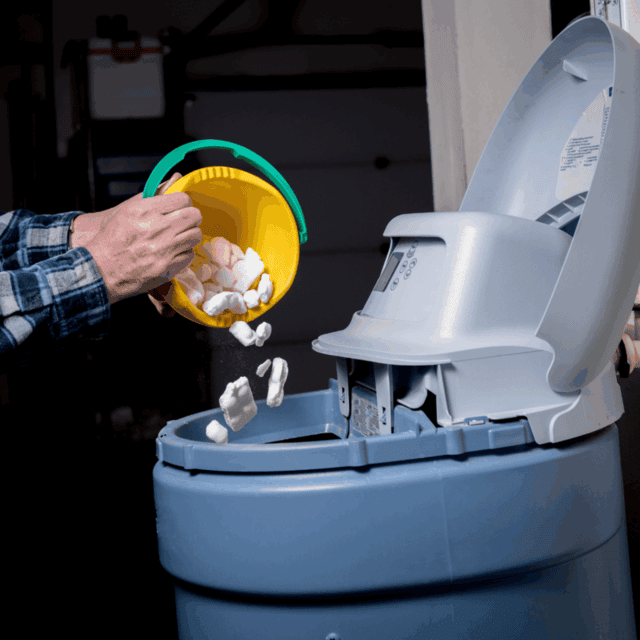
 These are the most effective option for true hard water treatment. They use a resin tank filled with small beads that swap calcium and magnesium for sodium ions. Salt must be added to the system regularly, but the results are hard to beat.
Salt-Free Conditioners
These systems do not remove minerals. Instead, they change the structure of the minerals so they are less likely to stick to surfaces. They work well for some homes, but may not be enough for very hard water.
Whole-Home vs. Point-of-Use Systems
A whole-home system treats all the water coming into your house. A point-of-use system only treats water at one location, like under the kitchen sink. For hard water plumbing problems, a whole-home solution is usually the better choice.
Keeping Your System Running Right
After water softener installation, regular maintenance keeps the system working at its best. Most salt-based systems need a salt refill every four to eight weeks, depending on your household size and water usage. It is also a good idea to schedule a water softener service check every year or two.
A professional can check the resin tank, clean the brine tank, and make sure the settings are right for your water. Staying on top of service keeps your system efficient and helps it last longer.
How to Know for Sure: Test Your Water
The signs of hard water are often easy to spot, but a water test gives you a clear picture of exactly what you are dealing with. You can use a basic home test kit from a hardware store, or have a plumber do a professional test.
A professional test is more detailed. It measures not just hardness, but also pH, chlorine, iron, and other contaminants. This helps you choose the right treatment for your specific water.
Ready to Fix Your Hard Water Problems? Action Plumbing Arizona Can Help
If you have been noticing the signs in your home, it is worth taking action now. The longer mineral buildup goes untreated, the more damage it can do to your pipes, appliances, and fixtures.
At Action Plumbing Arizona, we help homeowners across the state deal with hard water every day. Our team can test your water, recommend the right water softener system for your home, handle the full installation, and keep your system running with ongoing water softener service.
We know Arizona water. We know the problems it causes. And we know how to fix them.