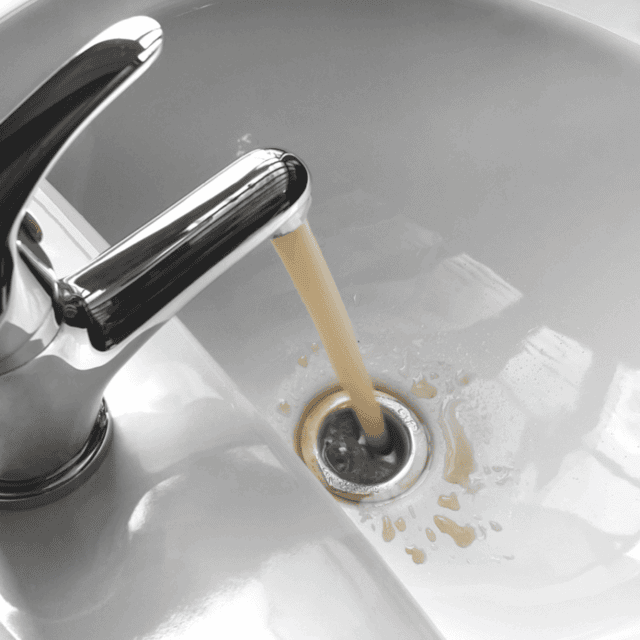

 Have you ever wondered what’s really in your tap water? Most of us turn on the faucet without a second thought. But the truth is, your water might contain more than just H2O. That’s where reverse osmosis water filtration comes in.
Clean drinking water isn’t a luxury. It’s a basic need for every family. A reverse osmosis water system can transform your home’s water quality.
Modern drinking water filtration has come a long way, and RO technology leads the pack. Let’s explore how this system works and why it might be the perfect solution for your household.
What Is Reverse Osmosis Water Filtration?
Think of a reverse osmosis water filter as a super fine strainer for your water.
How the Membrane Works
It uses a special membrane to catch tiny particles you can’t even see. These membranes have microscopic pores that block contaminants while letting pure water pass through.
Filtration Stages Explained
The process is pretty clever. Water gets pushed through several filtration stages. Each stage removes different types of impurities. The result? Clean, fresh tasting water right from your tap.
Contaminants Removed
An RO water filtration system doesn’t just make your water taste better. It removes things like chlorine, lead, fluoride, and other dissolved solids. Many families notice the difference immediately when they switch to filtered water.
How Does the Reverse Osmosis Process Actually Work?
Let’s break down what happens inside your filtration unit. Most systems have four or five stages of cleaning.
- Pre-filter: Removes larger particles like sediment and rust.
- Carbon filter: Eliminates chlorine and chemicals affecting taste and odor.
- RO membrane: Removes dissolved solids, heavy metals, and contaminants (pores measure 0.0001 microns).
- Storage tank: Holds purified water until you need it.
- Polish filter: Final stage for optimal taste and purity.
Reverse Osmosis vs Carbon Filter: What’s the Difference?
You might be wondering about the difference between filtration methods. Both carbon filters and RO systems clean your water, but they work differently.
Carbon Filter:
- Removes chlorine, bad tastes, and odors
- Works like a sponge soaking up chemicals
- Common in pitchers or faucet attachments
Reverse Osmosis:
- Removes up to 99% of dissolved solids
- Eliminates heavy metals and minerals carbon filters miss
- Provides more thorough water purification
The Benefits of Reverse Osmosis Water for Your Family
Clean drinking water affects your entire household. Here are some real advantages families notice after installing an RO system.
Better Taste and Appearance
Your water tastes noticeably better. No more metallic aftertaste or chlorine smell. Coffee and tea taste richer. Ice cubes look crystal clear instead of cloudy.
Cost Savings & Eco Benefits
You’ll likely save money over time. Think about how much you spend on bottled water each year. A home water filtration system pays for itself. Plus, you reduce plastic waste, which is better for the environment.
Cooking and Household Use
Cooking improves too. Soups, pasta, and rice all taste fresher when made with purified water. Your produce gets washed in cleaner water. Even your skin and hair might feel softer after washing.
Health Benefits
Health benefits matter most. Filtered water removes potential contaminants that could affect your family’s wellbeing. Lead, arsenic, nitrates, and bacteria get caught by the membrane. You gain peace of mind knowing your family drinks safe water.
Choosing the Right Water Purification System for Home Use
Not all filtration systems are created equal. Several factors determine which setup works best for your household.
Consider your water quality first. A water test reveals what contaminants you’re dealing with. Some areas have harder water with more minerals. Others face issues with specific chemicals or sediments.
Think about your water usage too. A family of five needs more capacity than a couple. Point-of-use systems fit under a single sink. They’re perfect for drinking and cooking water.
Whole house water filtration treats water throughout your entire home, including showers and appliances.
Space matters as well. Under-sink units are compact and stay hidden. Larger systems might need a basement or utility room installation. Professional water filtration services can assess your home and recommend the right size.
Budget plays a role in your decision. Initial costs vary based on system complexity. Remember to factor in filter replacements, which typically happen every 6 to 12 months. Quality systems last for years with proper maintenance.
Understanding Reverse Osmosis Installation
Installing an RO system isn’t as complicated as you might think. However, it does require some plumbing knowledge and the right tools.

 Installation Steps
The process involves connecting the system to your cold water line. You’ll need to drill a hole for the filtered water faucet. The storage tank goes in your cabinet or basement. All the components connect with tubing and fittings.
Most installations take a few hours. The system needs to be level and secure. Connections must be tight to prevent leaks. After installation, you’ll flush the system to remove any manufacturing residues.
DIY vs Professional Installation
While some handy homeowners tackle this project themselves, professional installation ensures everything works correctly from day one. Experts know local plumbing codes.
They have the experience to handle unexpected issues. Plus, professional reverse osmosis installation often comes with warranties and service guarantees.
Water Quality Improvement You Can Measure
The difference in water quality is measurable and noticeable.
- TDS (total dissolved solids) drops from 200–400 ppm to 10 or less
- Softer water reduces scale on fixtures and appliances
- Clearer water and ice cubes
- Potentially healthier environment for aquariums
Maintaining Your System for Long-Term Performance
Like any appliance, your filtration unit needs regular care. The good news is maintenance is straightforward.
Filter Replacement Schedule
Filter changes are the main task. Pre-filters and carbon filters typically need replacing every 6 to 12 months. The RO membrane lasts longer, usually 2 to 3 years. Storage tanks should be sanitized annually.
Signs Your System Needs Maintenance
Watch for signs that filters need changing. Slow water flow indicates clogged filters. Bad taste or odor means the carbon filter is saturated. A good practice is marking your calendar when you install new filters.
Many modern systems have indicator lights that remind you when maintenance is due. Some even send alerts to your phone. Keeping up with filter changes ensures your system performs at its best.
Professional Servicing
Professional servicing once a year helps catch potential problems early. Technicians check all connections, test water quality, and ensure everything operates properly.
Making the Switch to Cleaner Water
Upgrading your home’s water quality is an investment in your family’s health. A reverse osmosis water system provides peace of mind every time you fill a glass.
The technology has improved significantly over the years. Modern systems waste less water than older models. They’re more efficient and produce water faster. Installation is cleaner and more streamlined.
Your home deserves the best water possible. Whether you’re concerned about contaminants, taste, or just want healthier drinking water, an RO system delivers results you can see and taste.
Get Professional Help with Your Water Filtration Needs
Ready to enjoy cleaner, better tasting water throughout your home? Action Plumbing specializes in water quality solutions for families just like yours. Our experienced team can test your water, recommend the perfect system for your needs, and handle professional installation from start to finish.
Don’t settle for questionable tap water another day. Contact Action Plumbing today to schedule your water quality assessment. We’ll help you choose the right reverse osmosis system and ensure it’s installed correctly for years of reliable performance.
Your family’s health and satisfaction are our top priorities. Let’s work together to bring pure, refreshing water to every tap in your home.