

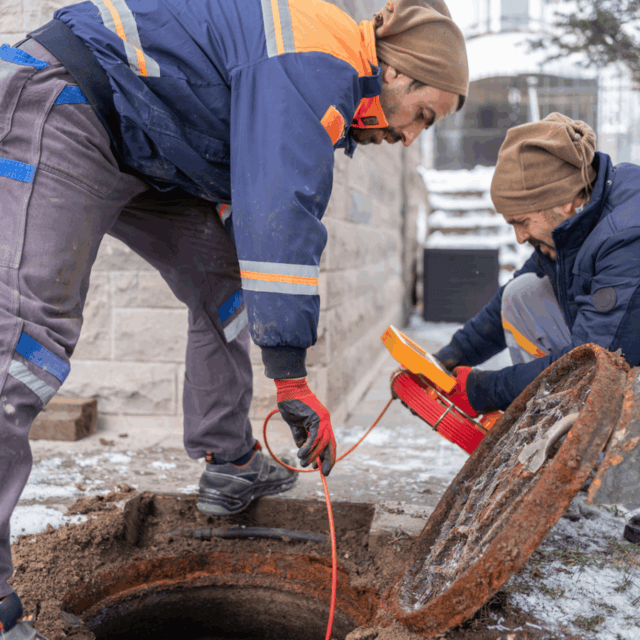
 Nobody wants to deal with a sewer backup. It’s messy, stressful, and can turn your home upside down in minutes. But knowing what to do when disaster strikes can save you time, money, and a whole lot of headaches. Let’s walk through everything you need to know about handling sewer problems like a pro.
What Causes Sewer Backups?
Understanding why sewers back up helps you prevent future problems.
Tree Root Intrusion
Tree roots are one of the biggest culprits. They seek out water sources and can crack or clog your sewer pipe over time.
Flushing the Wrong Items
Flushing the wrong items down your toilet also causes major issues. Things like wet wipes, paper towels, and feminine products don’t break down like toilet paper does.
Aging or Collapsed Sewer Pipes
Aging pipes can collapse or develop cracks. If your home is older, your drainage system maintenance might need an upgrade.
Heavy Rainfall and City Sewer Overflows
Heavy rainfall can overwhelm city sewer systems too. When that happens, water has nowhere to go but back into your home. These plumbing issues can happen to anyone, regardless of how well you maintain your property.
Grease and Oil Buildup
Grease buildup is another common problem. When you pour cooking oil down the drain, it hardens inside your pipes. Over time, this creates a blockage that stops everything from flowing properly.
Identifying Sewer Problems Early
Catching sewer issues early can prevent a full-blown emergency. Your home gives you warning signs if you know what to look for.
- Multiple drains backing up at the same time
- Gurgling sounds from toilets or drains
- Foul sewage odors coming from drains
- Water pooling in the yard near the sewer line
- Reduced water pressure throughout the home
- Slow drains across multiple fixtures
Home Health Risks You Need to Know
Sewer backups aren’t just gross. They pose serious health risks to your family. Raw sewage contains harmful bacteria like E. coli and salmonella. These germs can make you very sick if you come into contact with them.
Mold grows quickly in damp conditions. After a backup, moisture gets into your walls, floors, and carpets. Within 24 to 48 hours, mold spores start spreading. Some types of mold cause respiratory problems and allergic reactions.
The contaminated water from sewage backups is called “black water” in the restoration industry. This is the most dangerous type of water damage. You should never try to clean it yourself without proper protective gear and training.
What to Do During Plumbing Emergencies
When you discover a sewer backup, act fast.
- Stop using all water in your home
- Shut off the main water supply if the backup is severe
- Keep people and pets away from the affected area
- Call an emergency plumber immediately
- Ventilate the space by opening windows
- Take photos for insurance documentation
- Avoid chemical drain cleaners
Finding Reliable Local Plumbing Services
Searching for “sewer repair near me” when you’re in crisis mode is stressful. That’s why it’s smart to find a trusted plumber before you need one.
Look for licensed and insured companies with good reviews.
Local plumbing services understand your area’s specific challenges. They know about common soil conditions, typical pipe materials used in your neighborhood, and local building codes. This expertise helps them diagnose and fix problems faster.
Ask friends and neighbors for recommendations. People love sharing the names of plumbers who treated them well. Check how long the company has been in business too. Experience matters when dealing with complex sewer problems.
Make sure they offer 24/7 emergency plumbing services. Sewage doesn’t wait for business hours. You need someone who will answer your call at 2 AM on a Sunday if necessary.
Repair Solutions That Actually Work
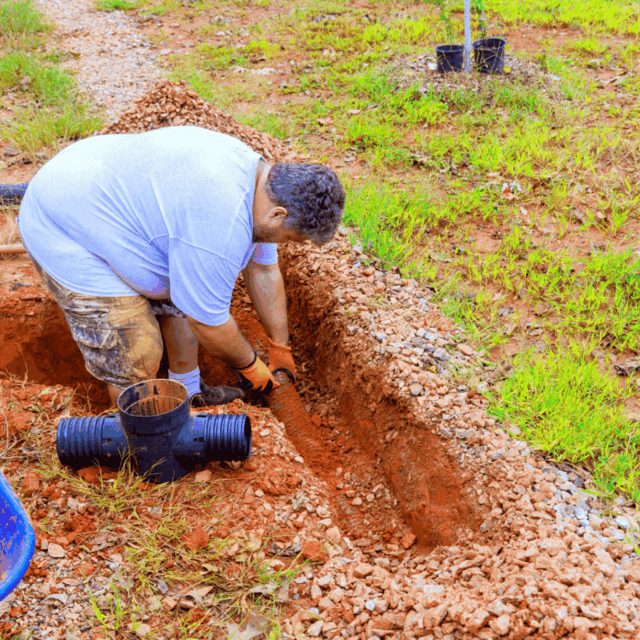 Professional plumbers have several options for fixing sewer lines.
Traditional Sewer Line Replacement
Traditional dig and replace methods work but involve tearing up your yard. This approach makes sense for severely damaged pipes or complete system failures.
Trenchless Sewer Repair Options
Trenchless repair technology offers a less invasive option. Plumbers can reline your existing pipes from the inside. This method is faster, causes less damage to your property, and often costs less than traditional digging.
Hydro Jetting for Clog Removal
Hydro jetting uses high-pressure water to clear stubborn clogs and buildup. This technique creates powerful water pressure that scours the inside of your sewer pipe clean. It’s great for preventive measures too. It cleans your pipes thoroughly without harsh chemicals.
Video Camera Sewer Inspections
Video camera inspections help plumbers see exactly what’s wrong. They send a small camera through your pipes to identify the problem location and severity. This saves time and prevents unnecessary digging.
Understanding Costs of Repairs
Sewer repair costs vary widely based on the problem. A simple clog might cost a few hundred dollars to clear. Replacing your entire main sewer line can run into thousands.
Factors that affect price include the depth of your sewer line, accessibility, local labor rates, and the extent of damage. Trenchless repairs often cost more upfront but save money on landscaping restoration.
Get multiple quotes when possible. Reputable plumbers provide detailed estimates that break down labor and materials. Be wary of prices that seem too good to be true. Quality work costs money.
Many plumbing companies offer financing options for major repairs. Don’t let cost prevent you from fixing a serious problem. A small issue becomes a big expensive mess if you ignore it. Investing in proper repairs now saves you money in the long term.
Environmental Impact of Sewer Problems
Sewer backups don’t just affect your home. They impact the environment too. Raw sewage can contaminate groundwater and local waterways. This harms wildlife and pollutes drinking water sources.
Maintaining your drainage system helps protect the ecosystem. When you prevent backups, you keep harmful bacteria and chemicals out of the environment. It’s good for nature and your community.
Proper disposal of household products matters. Never pour hazardous materials down your drains. Things like paint, pesticides, and medications belong at special collection sites, not in your sewer system.
Best Practices for Prevention
An ounce of prevention beats a pound of cure with sewer systems.
- Only flush toilet paper and human waste
- Schedule annual sewer inspections
- Install and clean drain screens regularly
- Avoid planting trees near sewer lines
- Dispose of grease and oil in the trash
- Run water weekly in rarely used drains
When to Call Sewer Repair Near Me Professionals
Some plumbing tasks are DIY-friendly. Sewer backups are not. These situations require professional equipment and expertise. Trying to fix it yourself can make things worse and expose you to dangerous contaminants.
Call a plumber immediately if you see sewage backing up into your home. Don’t wait to see if it gets better. Quick action prevents extensive damage and reduces health risks.
Trust the experts with video inspections and major repairs. They have specialized training and tools you don’t have access to. More importantly, they know how to work safely around sewage.
Your Next Steps
Dealing with sewer problems feels overwhelming, but you don’t have to face it alone. Action Plumbing has the experience and equipment to handle any sewer issue, from minor clogs to major line replacements.
Our team understands how stressful plumbing emergencies can be, and we’re here to help 24/7. Whether you need preventive maintenance or emergency repairs, we’ll get your home back to normal quickly and safely.
