

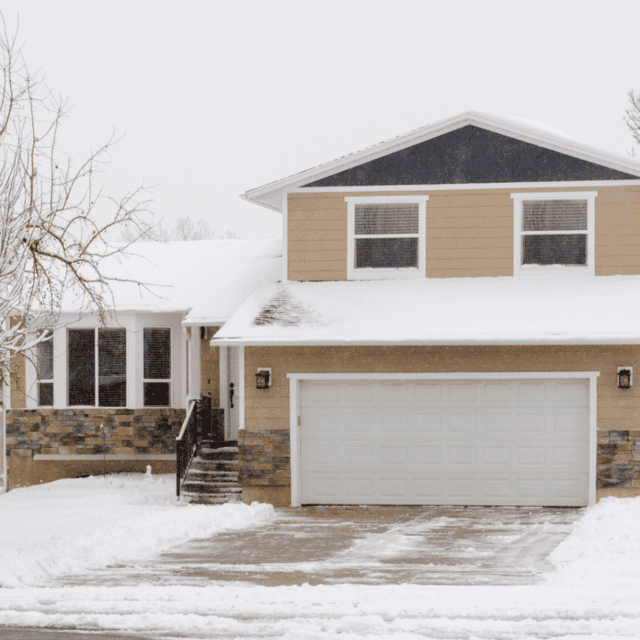
frozen pipesLet’s talk about something that could save you thousands of dollars this winter. Your home’s pipes are more vulnerable than you think. When temperatures plunge, water inside those pipes can freeze, expand, and crack them open.

The result? A flood that damages everything in its path. But you’re not powerless here. Taking action before the next cold snap can prevent pipes from freezing and keep your home safe all season long.

Why Pipes Freeze in Utah Homes

Understanding why pipes freeze is the first step in preventing the problem. When temperatures drop, the water inside your pipes can turn to ice. As water freezes, it expands.

This expansion puts enormous pressure on your pipes from the inside. Even strong metal or plastic pipes can’t handle this force forever.

Utah’s harsh winter climate makes this problem especially common. When temperatures dip below 20 degrees Fahrenheit, unprotected pipes are at serious risk. Pipes in unheated areas like crawl spaces, attics, garages, and exterior walls are most vulnerable.

But here’s what many homeowners don’t realize. It’s not just about how cold it gets outside. Wind chill and the length of time pipes stay cold also matter. A pipe that stays at 25 degrees for several hours faces more danger than one that briefly drops to 15 degrees.

How Cold Before Frozen Pipes Form?

Most plumbing experts agree that:

  • Pipes begin freezing around 20°F
  • Poorly insulated pipes can freeze even at 32°F
  • Older homes are at higher risk
  • Pipes on exterior walls freeze sooner
  • Duration of cold exposure matters

Winter Plumbing Tips to Protect Your Home

Taking action now can save you from disaster later. Here are proven strategies to keep your plumbing system safe all winter long.

Insulate Exposed Pipes

Pipe insulation is your first line of defense against freezing. Focus on pipes in crawl spaces, attics, basements, and garages. Even pipes in cabinets along exterior walls need protection.

The best pipe insulation options include foam pipe sleeves, fiberglass wrap, and heat tape. Foam sleeves are affordable and easy to install yourself. Simply cut them to length and snap them around your pipes. For extra protection in extremely cold areas, consider adding heat tape underneath the insulation.

Seal Air Leaks

Cold air leaks let freezing temperatures reach your pipes faster. Walk around your home and look for gaps around pipes where they enter your house. Check for cracks in your foundation, holes around electrical wiring, and spaces around vents.

Use caulk or spray foam to seal these openings. This simple step keeps cold air out and warm air in. It also helps lower your heating bills.

Keep Cabinet Doors Open

On especially cold nights, open cabinet doors under sinks. This allows warm air from your home to circulate around the pipes. This trick works best for sinks along exterior walls.

Let Faucets Drip

Running water is much harder to freeze than standing water. On nights when temperatures are forecast to drop below 20 degrees, let your faucets drip slightly. You don’t need a strong stream. Just a small trickle keeps water moving through the pipes.

This technique works especially well for faucets that are far from your water heater or located on exterior walls.

Maintain Consistent Indoor Temperature

It’s tempting to turn down your thermostat when you’re away or asleep to save money. But during extreme cold snaps, this can lead to frozen pipe prevention failures. Keep your home heated to at least 55 degrees even when you’re gone.

If you’re leaving town during winter, don’t shut off your heat completely. Ask a neighbor to check on your home every day. Better yet, install a smart thermostat that alerts you if your indoor temperature drops too low.

Disconnect Outdoor Hoses and Drain Sprinklers

Winterize plumbing systems outside your home too. Disconnect all garden hoses before the first hard freeze. Drain water from your outdoor faucets and sprinkler systems. Any water left in these lines can freeze, expand, and crack the pipes or fixtures.

Consider installing frost-proof outdoor faucets. These special faucets shut off water inside your warm home rather than outside where it’s cold.

Insulate Your Water Heater

Your water heater works harder in winter to maintain hot water temperature. An insulated water heater jacket helps it run more efficiently and prevents heat loss. This simple upgrade can also extend the life of your water heater.

What to Do If You Have Frozen Pipes
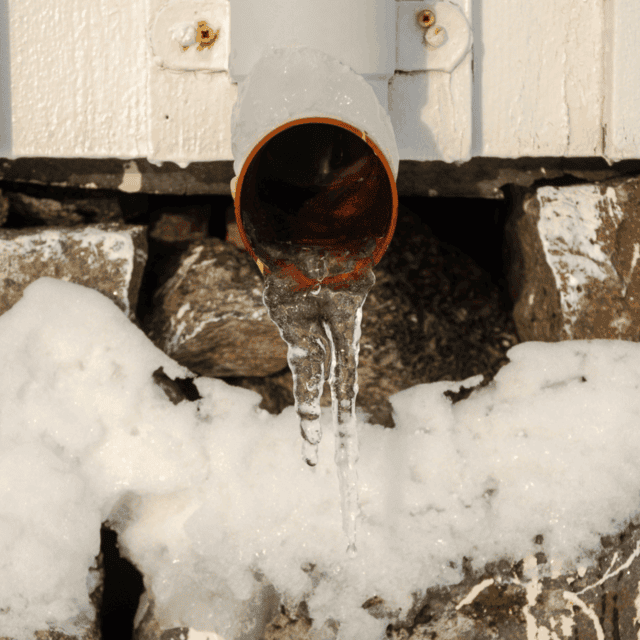
frozen pipesEven with the best frozen pipe prevention measures, accidents can happen. If you turn on a faucet and only a trickle comes out, you likely have a frozen pipe.

Don’t panic. Act quickly but carefully.

  • Keep the faucet open
  • Apply gentle heat (hair dryer, heating pad, warm towels)
  • Start warming closest to the faucet
  • Never use open flames or torches
  • Call a plumber if the frozen section isn’t accessible

When to Call an Emergency Plumber

Some situations require professional help right away. Call an emergency plumber if you discover a burst pipe, if you can’t locate or access the frozen section, if you’ve tried to thaw a pipe but water still won’t flow, or if you smell gas (some pipes run near gas lines).

Burst pipe repair is not a DIY job. Water can pour into your home at a rate of several gallons per minute. This causes immediate damage to floors, walls, furniture, and personal belongings. Quick professional response minimizes this damage and gets your water service restored faster.

The True Cost of Frozen or Broken Pipes

Water damage from burst pipes costs homeowners an average of $5,000 to $10,000 per incident. Insurance may cover some of this, but you’ll still face deductibles, rate increases, and the hassle of repairs. Broken pipes can also lead to mold growth if water damage isn’t addressed quickly.

More importantly, you’ll lose access to running water during repairs. In the middle of a Utah winter, this means no showers, no washing dishes, and no working toilets. For most families, this disruption is even more stressful than the financial cost. 

Prevention costs a fraction of these repair bills. A few hours of work and some basic supplies now can save you thousands of dollars and enormous headaches later.

Your Winter Plumbing Checklist

As temperatures drop, review this quick checklist:

  • Insulate exposed pipes
  • Seal air leaks
  • Disconnect and drain outdoor hoses and faucets
  • Know where your main shut-off valve is
  • Open cabinet doors on cold nights
  • Let faucets drip when below 20°F
  • Keep indoor temp at 55°F or higher

Taking these simple steps protects your home and gives you peace of mind all winter long.

Protect Your Home With Action Plumbing

Don’t wait until disaster strikes. The team at Action Plumbing has helped Utah homeowners prepare for winter weather for years.

Our experienced plumbers can inspect your home’s plumbing system, install quality insulation on vulnerable pipes, and identify potential problem areas before they become emergencies.

We’re also here when you need us most. Our emergency plumber services are available 24/7 for frozen or burst pipes. When freezing temperatures threaten your home, you can count on Action Plumbing for fast, professional service.
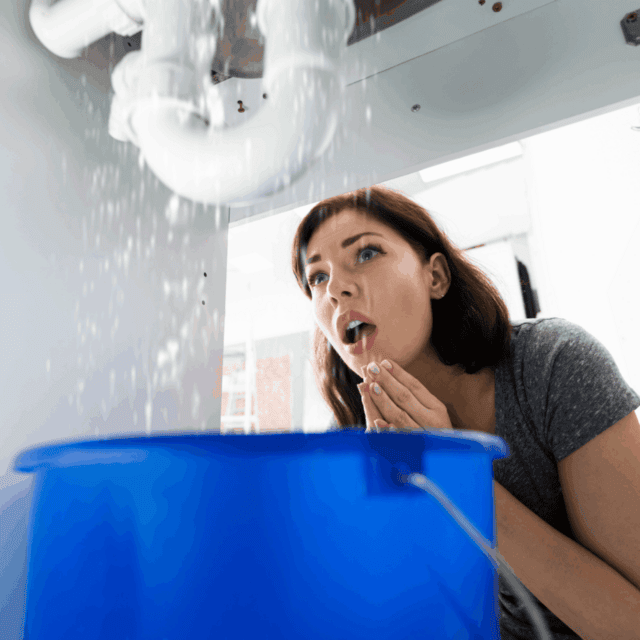
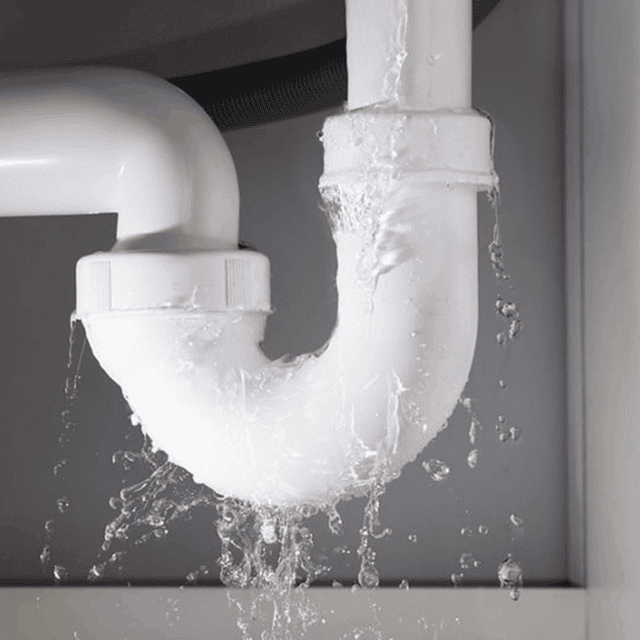
Contact Action Plumbing today to schedule your winter plumbing inspection. Let us help you winterize your Utah home and enjoy worry-free comfort all season long.

Plumbing Systems

Let’s be honest. When you think about Arizona winters, plumbing problems probably aren’t the first thing that comes to mind. We don’t deal with frozen pipes like folks in Minnesota. But here’s the thing: our mild winters still create some real challenges for your home’s plumbing systems.

You might not realize it, but the way you use water changes when temperatures drop. And those changes? They can stress your pipes, fixtures, and drains in ways that lead to some pretty costly repairs down the road.

Let’s talk about what’s really happening with your plumbing during Arizona winters and how you can avoid those midnight emergency calls.

Your Water Habits Change More Than You Think

Ever notice your showers get longer when it’s cold out? Or that the dishwasher seems to run nonstop? That’s winter at work.

Even in Arizona, a 20–30 degree drop changes how we use water. We turn up the hot water, do more laundry, and run extra dish cycles. It all feels normal, but there’s more going on behind the scenes.

Your pipes are working harder to deliver that hot water. Your water heater is running longer. And every extra gallon down the drain adds stress to your plumbing system.

Throw in holiday guests, and the demand doubles. More flushing, more handwashing, more showers. Your plumbing feels the squeeze.

Cold Nights and Their Hidden Impact on Plumbing Systems

We may not face blizzards, but nighttime temperatures still dip below freezing in many Arizona neighborhoods. That’s enough to cause trouble.

Pipes in garages, attics, and exterior walls are the first to suffer. As temperatures drop, the metal contracts; when it warms up, it expands. That constant cycle through the winter weakens joints and connections. A tiny summer drip can become a real leak once the cold sets in.

Why Older Plumbing Systems Are More Vulnerable in Winter

Got an older home with galvanized steel pipes? You’re in an even trickier spot. These pipes already deal with corrosion and buildup. Cold weather is often the last straw that makes weak spots finally give way.

This is where a plumbing system inspection really pays off. A professional plumber can spot warning signs you’d never notice on your own.

Your Water Heater Is Basically Running a Marathon

In winter, your water heater never stops. Longer showers, constant dishwashing; it’s working overtime with almost no break.

All that activity kicks up sediment sitting at the bottom of the tank. And that sediment? It clogs pipes, kills efficiency, and can even ruin the heater.

Arizona’s hard water makes it even worse. Our mineral-heavy supply builds up inside pipes and appliances, and winter’s heavy use accelerates the problem.

Regular plumbing maintenance should include flushing your water heater to clear that sediment. It’s a simple step that keeps it running longer and helps you avoid a mid-winter breakdown.

Holiday Cooking Is Tough on Your Drains

Your kitchen sink works overtime during the holidays. Cooking oils, food scraps, and grease head down the drain more than usual. Even with a garbage disposal, they can coat the inside of your pipes.

Grease

Cold weather makes grease harden quickly inside drain lines. What flows easily in summer sticks to pipe walls when temperatures drop. After a few weeks, that buildup can turn into a clog no plunger can budge.

Bathroom drains

Bathroom drains have their own troublemakers: hair, soap scum, and product residue. Add extra holiday guests, and those blockages form even faster.

Want to know exactly what’s going on in there? A plumbing camera inspection shows you what’s happening inside your drains. Your local plumber can see blockages, cracks, and buildup without tearing apart your walls.

Don’t Forget About Your Outdoor Pipes

Arizona homes often have outdoor faucets, sprinkler systems, and pool plumbing running year-round; and that leaves them exposed to cold night air.

Even in our mild climate, a hard freeze can burst unprotected pipes. The catch? Damage isn’t always obvious. Small cracks can leak for weeks before you notice water stains or a spike in your utility bill.

Before winter sets in, disconnect garden hoses and fully drain outdoor faucets. If you have a sprinkler system, be sure it’s properly winterized.

Pool equipment needs attention too. Pumps, filters, and heaters can develop leaks as temperatures swing. Check for drips around connections, and schedule drain-pipe repair early if you spot any issues.

Your Plumbing Is Trying to Tell You Something

Winter puts extra stress on your plumbing, and small warning signs can point to bigger issues.

If drains that flowed fine in summer suddenly slow down, a blockage is building.

Low water pressure at faucets or in the shower often signals a restriction or a leak.

Banging or whistling pipes usually mean pressure problems. Something a water-pressure plumber should check before damage occurs.

A mysteriously high-water bill is a classic sign of a hidden leak, which can waste thousands of gallons in just a few months.

And if your water looks discolored after a cold night, that’s likely corrosion inside your pipes. Get it inspected right away.

A Little Prevention Goes a Long Way

The best time to fix plumbing issues is before they turn into emergencies. Get a complete system checkup before winter weather settles in.

Services like “hydrojet plumbing near me” can blast away stubborn buildup from your drain lines using high pressure water. It’s a thorough cleaning that stops winter clogs before they happen.

Sewer line cleaning keeps your main drainage flowing freely. With all that holiday cooking and extra guests, your sewer lines are under major stress. Getting them cleaned beforehand means no backups during family gatherings.

Grab some foam pipe sleeves and insulate exposed pipes in unheated areas. They cost just a few bucks but can save you from expensive burst pipe repairs.

Take a quick look under your sinks for moisture or corrosion around connections. Catching small leaks now beats dealing with big problems later.

Some Problems Can’t Wait

plumbing emergency

Let’s talk about real emergencies. Burst pipes need immediate attention to stop water damage in its tracks. Complete drain blockages that cause backups? Those need urgent care.

No hot water when it’s cold outside is an emergency for most families. Water heater failures need quick diagnosis and repair.

If you smell gas anywhere near your water heater or other appliances, get out of your house immediately and call for help. Gas leaks are seriously dangerous.

Multiple clogged drains all over your house? That points to a main sewer line problem. You’ll need professional equipment to clear that safely.

Keep contact info for “plumbing 24/7 near me” services where you can find it. Plumbing problems don’t care about business hours.

Your Kitchen Takes a Real Beating

Holiday cooking really puts your kitchen through its paces. The garbage disposal is grinding up way more food waste. The dishwasher runs several times a day. Your sink drains are handling bigger volumes of water and debris.

The most common kitchen problems during winter? Clogged disposals, slow draining sinks, and leaky faucets. Heavy use just makes these issues worse.

Here’s a pro tip: never pour cooking grease down the drain, even with hot water running. That grease will cool down eventually and stick to your pipe walls. Collect it in a container and toss it in the trash instead.

Run cold water while you’re using the garbage disposal and keep it going for several seconds after you’re done. Cold water keeps grease solid so it gets chopped up and flushed away instead of coating your pipes.

If your kitchen sink drains slowly or backs up, get kitchen plumbing repair done before you host holiday meals. Nothing kills a dinner party vibe like standing water in the sink.

Finding Leaks You Can’t See

Hidden leaks waste water and cause damage you won’t see for months. Modern leak detection services use cool equipment to find problems without tearing up your house.

Thermal imaging cameras show temperature differences that reveal water behind walls. Acoustic sensors pick up the sound of water escaping from pipes. Pressure testing finds weak spots in your system.

These technologies save you money by pinpointing exactly where the problem is. Your plumber can make targeted repairs instead of opening up huge sections of wall or floor hoping to stumble on the leak.

Arizona’s dry climate makes leak damage extra sneaky. Water evaporates so fast that you might not see obvious signs even when a pipe is leaking steadily.

Keep Your System Happy All Year

Protect your plumbing investment with ongoing care.

Year-round maintenance tips:

  • Schedule seasonal system checks (fall & spring)
  • Keep repair and inspection records
  • Know where your main water shutoff valve is
  • Replace old fixtures before they fail
  • Maintain water pressure at safe levels

Don’t Wait for Disaster to Strike

Winter can stress your plumbing in ways you might not expect. A little preparation now can prevent big headaches later.

A thorough inspection catches weak spots before they fail. Cleaning removes buildup that leads to clogs. And simple winterization protects outdoor pipes from freezing.

At Action Plumbing Arizona, we understand the challenges Arizona homeowners face in winter. Our team provides inspections, preventive maintenance, and emergency repairs to keep your plumbing running smoothly all season.

Call today to schedule your winter plumbing check. You’ll rest easy knowing your system is ready.

With September now in swing, Utah homeowners can see the outlines of fall making its way into town. And as those who have lived here for years are well aware, the fall period often doesn’t last long before it gives way to winter, meaning it’s important to prepare the home in a few vital areas, namely plumbing, before the freeze hits.

At Action Plumbing, Heating, Air & Electric, we’re here to help. Our various plumbing services, from water heater repair or replacement to drain cleaning, water filtration and many others, will help prepare you for the upcoming winter as needed, with expert plumbers on hand who can spot any issues that might be problematic once the temperatures drop. Here are several areas we recommend taking a close look at this time of year, including several where our team is happy to assist you.

Hoses and Outside Faucets

One of the primary areas to ensure you’ve got covered is protecting any water source that could risk freezing during the winter, and outside hoses and faucets are a good example. If any water is left in such hoses, it can freeze and expand, damaging the hoses themselves as well as faucets and connecting pipes.

Ensure all water is removed from these areas and these hoses are turned off. Make sure there are no drips or leaks in these areas – our pros can assist with basic repairs if there are. If your home has interior shut-off valves that lead to these outdoor faucets, close them and drain all water from these lines.

Insulation and Sealing

Another anti-freezing technique to consider, both in exterior areas and throughout the home, is insulation. Cover all outdoor faucets with an insulation kit, the kind you can buy at any home improvement store. In addition, consider insulating your pipes in unheated areas of the home where freezing within the pipes might be a concern.

Down similar lines, seal off any leaks around your doors or windows. This will stop cold air from making its way into the home.

Water Heater Maintenance

The water heater will do a lot of work during the upcoming winter, so it’s good to prepare it. Flush it out and remove any sediment buildup – our team can help if you require it. We’ll also assist you with testing the water heater’s pressure release valve, plus replacing it if it’s gone faulty since last winter. Finally, ensure the temperature is set right around 120 degrees Fahrenheit for the best performance.

Gutters and Downspouts

Ensure your outdoor gutters and downspouts are cleared and clean in preparation for winter drainage. This kind of drainage is vital due to water freezing risks, which can pose a danger if water is draining improperly and remaining on or near the structure.

For more on how to prepare your home’s plumbing for the upcoming winter, or to learn about any of our plumbing or HVAC services, speak to the staff at Action Plumbing, Heating, Air & Electric today.

Select Your Location