

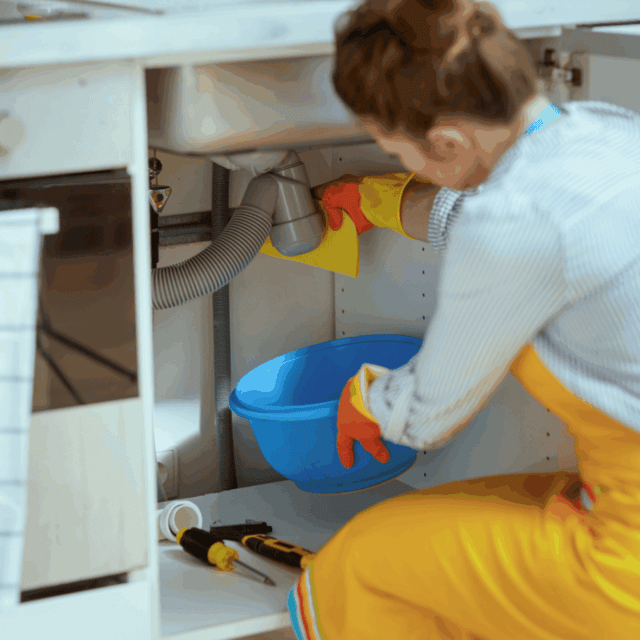
Living in Tempe means dealing with unique challenges that can affect your home plumbing system. The desert heat and hard water common to Arizona create specific problems that homeowners need to watch for.
But don’t worry. With the right knowledge and regular care, you can keep your pipes flowing smoothly year-round.
Understanding Your Home’s Plumbing Needs
Tempe homeowners face different issues than people in other parts of the country. Our intense summers put extra stress on water heaters and outdoor pipes.
The mineral-rich water in our area can build up inside your pipes over time. These factors make it extra important to stay on top of maintenance.
Your plumbing works hard every single day. From your morning shower to washing dinner dishes, water moves through dozens of pipes and fixtures. When something goes wrong, it can disrupt your whole routine. That’s why knowing some basic plumbing tips can save you time, money, and stress.
Watch for Water Pressure Issues: Plumbing Tips for Tempe Homes
Have you noticed your shower doesn’t spray as strong as it used to? Water pressure issues are one of the most common complaints we hear from local homeowners. Low pressure usually means one of a few things is happening.
Common causes of low water pressure:
Mineral buildup in aerators and showerheads
Hard water sediment
Hidden leaks in the plumbing system
Quick fixes:
Remove and soak aerators/showerheads in vinegar
Call a professional if pressure doesn’t return
Create Your Plumbing Maintenance Guide
Regular care prevents most major plumbing disasters. Think of it like changing the oil in your car. A little prevention goes a long way. Here’s what you should do to keep everything running smoothly.
Regular plumbing maintenance steps:
Check under sinks for moisture or rust
Inspect flexible supply lines
Test shut-off valves
Mark the location of the main shut-off valve
Keep Your Drains Flowing Free: Essential Plumbing Tips
Slow drains are annoying. They can also lead to complete blockages if you ignore them. Regular drain cleaning in Tempe should be part of your home care routine.
Daily and Weekly Drain Care Tips
Never pour grease or oil down your kitchen sink. Even if you run hot water, these substances cool and stick to your pipe walls. Over time, they create nasty clogs. Instead, let grease cool in a container and throw it in the trash.
Use drain screens in your sinks and showers. These simple mesh covers catch hair, food bits, and other debris before they enter your pipes. Clean these screens weekly to keep water flowing freely.
Natural Monthly Drain Cleaning Method
For routine drain care, try this natural method once a month. Pour half a cup of baking soda down the drain, followed by half a cup of white vinegar. Let it sit for 30 minutes, then flush with hot water. This helps prevent buildup without harsh chemicals.
When to Avoid Chemical Drain Cleaners
If you notice a clogged drain that won’t clear with these methods, don’t reach for harsh chemical cleaners right away. These products can damage your pipes over time. Instead, try a plunger first or call a professional who can safely clear the blockage without harming your plumbing.
Water Heater Maintenance Matters
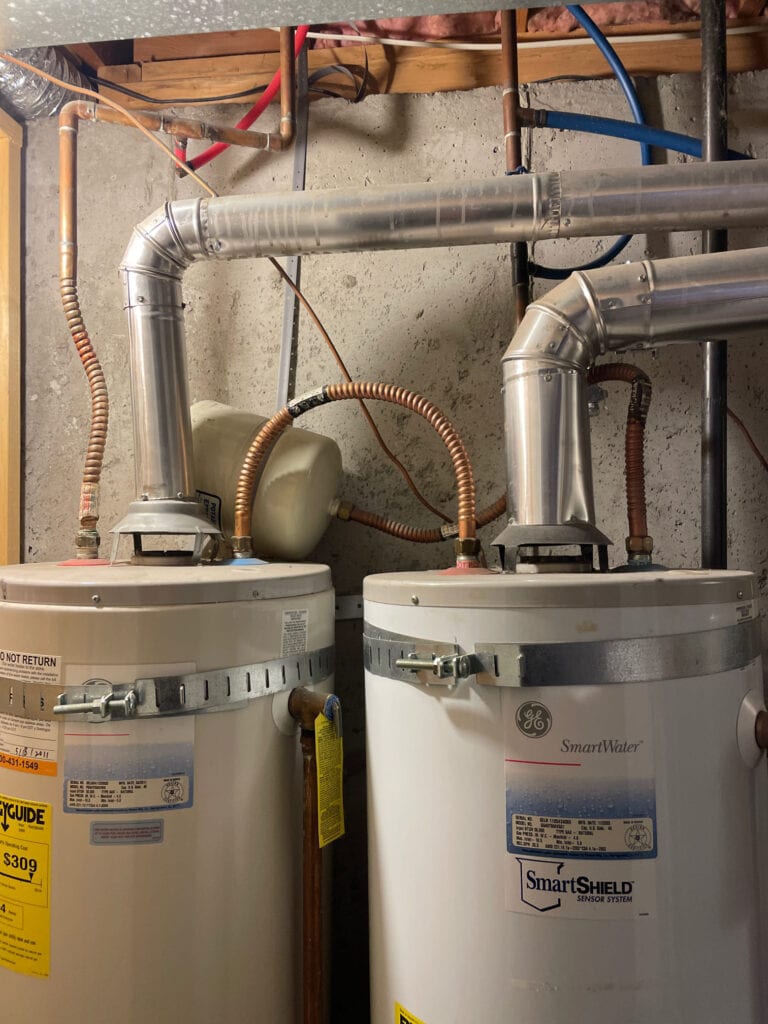
Your water heater works overtime in Tempe homes. Between showers, laundry, and dishes, it heats water constantly. Proper water heater maintenance extends its life and keeps your energy bills lower.
Water heater maintenance checklist:
Flush the tank annually
Set temperature to 120°F
Listen for popping/rumbling noises
Leak Prevention Strategies
A small leak can waste thousands of gallons of water and cause serious damage to your home. Leak prevention should be a priority for every homeowner.
Common Warning Signs of Hidden Leaks
Know the warning signs of hidden leaks. These include unexplained increases in your water bill, the sound of running water when nothing is on, or damp spots on walls and ceilings. Mold or mildew growth can also indicate a leak behind the walls.
Using Your Water Meter to Detect Leaks
Check your water meter to detect leaks anywhere in your system. Turn off all the water in your house and look at the meter. If it’s still moving, you have a leak somewhere. This simple test can save you from costly water waste.
Toilet Leak Checks You Can Do Yourself
Check your toilet for leaks by adding a few drops of food coloring to the tank. Wait 15 minutes without flushing. If color appears in the bowl, you have a leak. Most toilet leaks come from a worn flapper valve, which is cheap and easy to replace.
Inspecting and Replacing Washing Machine Hoses
Inspect your washing machine hoses every year. These rubber hoses can crack and burst, causing major flooding. Replace them every five years, or sooner if you see any wear. Consider upgrading to stainless steel braided hoses for better durability.
Seasonal Plumbing Care for Desert Living
Tempe’s seasons might not be as dramatic as other places, but seasonal plumbing care still matters here. Each time of year brings different challenges.
Before Summer:
Check outdoor faucets
Inspect sprinkler system
Summer:
Monitor water bills
Watch for additional strain on the system
Winter:
Insulate exposed pipes
Disconnect/drain hoses
Monsoon Season:
Test sump pump
Ensure pit auto-activation works
Your Complete Plumbing Checklist
Here’s a simple checklist to keep your system in top shape:
Monthly tasks: Clean drain screens, check under sinks for leaks, run water in unused drains.
Quarterly tasks: Clean faucet aerators, test garbage disposal, inspect visible pipes.
Yearly tasks: Flush water heater, check toilet components, inspect washing machine hoses, test shut-off valves.
Every few years: Have a professional inspection, replace flexible supply lines, update old fixtures.
Following this schedule helps you catch small issues before they become expensive repairs. It also gives you peace of mind knowing your home plumbing system is well maintained.
When to Call the Professionals
Some jobs are perfect for DIY fixes. Others need expert help. Knowing the difference saves you from making a small problem worse.
Call a plumber if you have recurring clogs, no hot water, multiple fixtures backing up at once, or water pressure problems throughout your home. These issues often have complex causes that need professional diagnosis.
Also reach out to pros for any work involving your main water line, sewer line, or gas connections. These systems are too important to risk amateur repairs.
Keep Your Tempe Home Running Smoothly
Taking care of your plumbing doesn’t have to be complicated. Regular attention to these simple tasks prevents most major problems. You’ll save money on repairs and avoid the stress of plumbing emergencies.
Remember that your system works hard every day to keep your home comfortable. A little preventive care goes a long way in our desert climate. Watch for warning signs, follow your maintenance schedule, and address small issues quickly.
When you need expert help with your home’s plumbing, Action Plumbing Arizona is here for you. Our team understands the unique challenges Tempe homeowners face.