

Have you ever wondered what stops dirty water from flowing back into your clean water supply? It’s a scary thought. Your drinking water could mix with contaminated water from your sprinklers, toilets, or washing machine. The good news is that a simple plumbing device can protect your family from this hidden danger.
What Is Backflow and Why Should You Care?
Backflow happens when water flows in the wrong direction through your pipes. Instead of clean water flowing into your home, dirty water can reverse course and contaminate your drinking water. This can happen during a sudden drop in water pressure.
Think about your garden hose sitting in a bucket of fertilizer. If the water pressure drops suddenly, that fertilizer water could get sucked back into your home’s pipes. This is a real health risk for your family.
Common causes of backflow include:
- A broken water main in your neighborhood
- Heavy water use from firefighting
- A pipe burst somewhere in the system
- Pressure changes from nearby construction
Your Tempe plumbing system faces these risks every day. The Arizona heat can stress pipes and cause pressure drops. That’s why backflow prevention is so important in our area.
The Hero Device: Your Backflow Valve
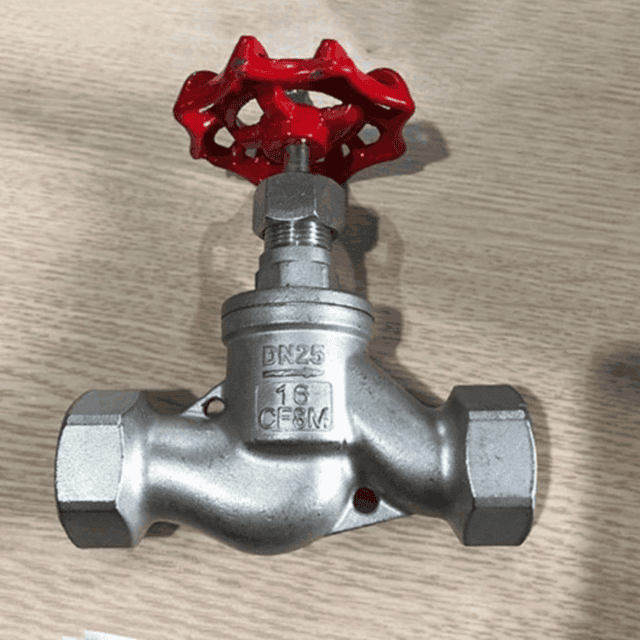
A backflow valve is the plumbing device that stops water from flowing the wrong way. Think of it like a one-way door for your water. It lets clean water in but won’t let dirty water back out into the main supply.
These valves work automatically. You don’t need to flip switches or push buttons. They sense when water tries to flow backward and slam shut to protect your water supply.
There are different types of backflow prevention devices for different situations. The most common ones you’ll see in Tempe homes include:
Atmospheric Vacuum Breaker (AVB)
This is the simplest type. You often see these on outdoor faucets and sprinkler systems. They use air pressure to stop backflow. When water pressure drops, air enters the valve and prevents reverse flow.
Pressure Vacuum Breaker (PVB)
Similar to an AVB but more reliable. These work well for irrigation systems. They have a spring-loaded check valve that adds extra protection. Many Tempe homeowners have these installed on their outdoor watering systems.
Double Check Valve Assembly (DCVA)
This device has two check valves in series. If one fails, the other still protects you. These are great for home water safety in areas with moderate hazard levels. They’re common in residential plumbing.
Reduced Pressure Zone Device (RPZ)
This is the gold standard for cross-connection protection. It has two check valves plus a pressure relief valve between them. If anything goes wrong, water dumps out through the relief valve instead of backing up into your clean water. These are required for high-hazard situations.
Where Do You Need Backflow Protection?
Your home has several spots where contaminated water could enter your clean supply. Here’s where you need protection:
Sprinkler Systems
Your lawn sprinklers are a major backflow risk. They sit on the ground where fertilizers, pesticides, and dirt can enter the water. Every sprinkler system should have a backflow prevention device.
Hose Bibs
Those outdoor faucets where you connect your garden hose need protection too. A simple vacuum breaker can prevent problems here. These plumbing fixtures are often overlooked, but they’re a common source of contamination.
Pool and Spa Connections
If your pool or spa connects to your home’s water supply, you need a backflow preventer. Pool chemicals are dangerous if they enter your drinking water.
Fire Sprinkler Systems
Commercial buildings and some homes have fire sprinklers. The water sitting in these pipes can become stagnant and contaminated.
Boiler Systems
Heating systems that use water need backflow prevention. The chemicals used in boilers are toxic.
How Tempe Regulations Protect You
Arizona takes water safety seriously. Tempe has specific codes about backflow prevention. The city requires these devices on many properties. They also require regular testing to make sure the valves work properly.
Your backflow prevention device must be tested annually by certified plumbers in Tempe. This isn’t optional. It’s a legal requirement designed to prevent water contamination throughout the community.
During testing, the plumber checks:
- That all valves open and close properly
- Pressure levels are correct
- No water leaks through when it shouldn’t
- The relief valve works if you have an RPZ
If your device fails testing, it must be repaired or replaced immediately. You’ll receive a notice from the city if you don’t complete your annual test.
Signs Your Backflow Device Needs Attention
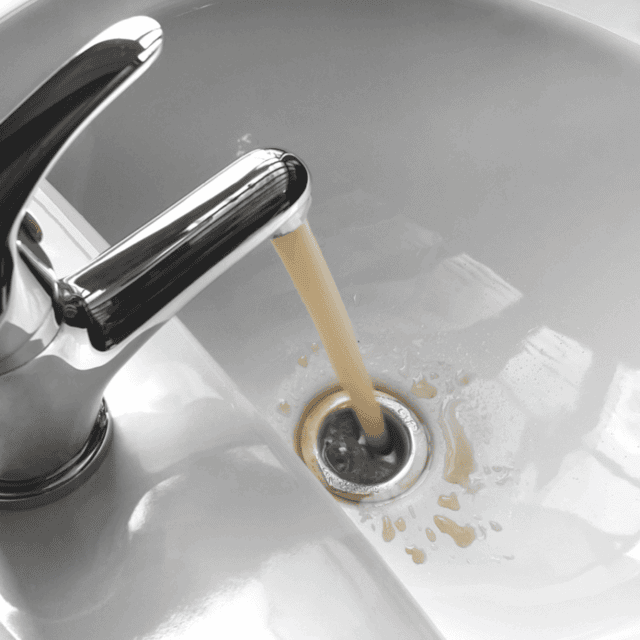
Even between annual tests, watch for these warning signs:
- Water dripping or spraying from the device
- Reduced water pressure in your home
- Discolored water coming from your taps
- Strange tastes or smells in your drinking water
- Visible rust or corrosion on the valve
Don’t ignore these signs. They could mean your backflow prevention is failing. Your family’s health depends on this device working properly.
The Importance of Professional Installation
Installing a backflow valve isn’t a DIY project. It requires specific knowledge and tools. The device must be installed at the right location in your plumbing system.
It needs to be the right size for your water flow. And it must meet local codes.
Professional plumbers understand these requirements. They know which device works best for your situation. They install it correctly the first time. This saves you money and protects your water supply.
Poor installation can actually make things worse. A valve installed backward does nothing. One that’s too small restricts your water flow. One that’s too large won’t seal properly.
Keeping Your Device in Top Shape
Regular plumbing maintenance extends the life of your backflow prevention device. Here’s what you should do:
Schedule Annual Testing
Mark your calendar. Don’t wait for the city to remind you. Professional testing catches problems before they become emergencies.
Visual Checks
Look at your device monthly. Check for leaks, rust, or damage. Make sure nothing is blocking it or putting pressure on the pipes.
Keep It Accessible
Don’t bury your backflow preventer under landscaping. Technicians need easy access for testing and repairs. Keep plants and decorations away from the device.
Make sure you know where your main shutoff valve is located too. In an emergency, you may need to turn off water quickly to prevent damage.
Winter Protection
While Tempe winters are mild, we do get occasional freezes. Some backflow devices need insulation or draining during cold snaps. Ask your plumber what’s right for your specific device.
Replace When Needed
These devices don’t last forever. Most need replacement every 10 to 15 years. If yours is older or keeps failing tests, replacement might be more cost effective than constant repairs.
Protect Your Family’s Water Today
Your home’s water safety depends on proper backflow prevention. This simple plumbing device stands between your family and serious contamination. It works silently every day to keep your drinking water clean and safe.
Don’t take chances with your water quality. Whether you need a new backflow prevention device installed, your annual testing completed, or repairs on an existing system, Action Plumbing Arizona has the expertise to help.
Our certified plumbers in Tempe understand local codes and can ensure your home has the right protection. We provide fast, reliable service that keeps your water safe.