

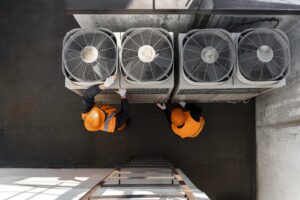
Running a business in Arizona is tough. The hot weather is hard on your air conditioning system. But staying cool isn’t your only worry. Arizona has rules about Commercial HVAC systems that you need to know.
Why Commercial HVAC Codes Matter for Your Business
Commercial HVAC codes aren’t just extra paperwork. They keep your workers, customers, and building safe. These rules cover air quality and how much energy you use. Following them keeps you safe and out of trouble.
Arizona’s hot weather makes good HVAC cooling important. When it hits 120°F, your system works hard. Poor setup or care can create expensive breakdowns.
Key Arizona Commercial HVAC Requirements
Building Size and System Capacity
Arizona needs exact math for business spaces. Your HVAC professional must pick the right size system. Too small means you can’t cool enough. Too large wastes energy and money.
The state uses strict formulas based on:
Square footage
Ceiling height
Window placement
Insulation levels
Expected occupancy
Energy Efficiency Standards
Arizona follows federal energy codes but adds its own rules. Your commercial air conditioning repair team must install systems that meet minimum efficiency ratings. These standards change regularly, so staying updated matters.
New systems must have:
Proper SEER ratings
Energy recovery ventilation
Smart controls
Zone management
Ventilation Requirements
Fresh air circulation isn’t optional. Arizona codes specify minimum outdoor air requirements. This helps prevent indoor air quality problems. Poor ventilation can lead to sick building syndrome.
Your air conditioning system must provide:
Adequate fresh air exchange
Proper filtration
Humidity control
Temperature distribution
Common Code Violations Business Owners Face
Improper Installation
Many businesses face problems from poor installation work. Unlicensed contractors often skip important steps. This creates code violations and safety risks.
Common installation problems include:
Incorrect ductwork sizing
Poor electrical connections
Missing safety controls
Inadequate drainage
When you need ac repair or installation, always hire licensed professionals. They understand local codes and proper procedures.
Maintenance Neglect
Regular maintenance isn’t just smart business. Often required by code. Neglected systems can violate health and safety rules.
Required maintenance includes:
Filter changes
System cleaning
Safety inspections
Performance testing
Many businesses search for “duct cleaning near me” only after problems start. Smart owners schedule regular service to prevent issues.
Outdated Systems
Older HVAC units may not meet current codes. When you renovate or expand, you might need upgrades. Arizona requires compliance with current standards for modified systems.
This affects:
Air conditioning repairs near me searches
System replacement decisions
Building permits
Insurance coverage
Working with Commercial HVAC Professionals
Choosing the Right Contractor
Not all HVAC companies handle commercial work. Search for “HVAC near me” with:
Commercial licenses
Arizona code knowledge
Insurance coverage
Local references
When searching for air conditioner repair services, ask about commercial experience. Residential and commercial systems have different requirements.
Understanding Permits and Inspections
Most commercial HVAC work requires permits. Your contractor should handle this process. They know which projects need permits and how to get them.
Typical permit requirements:
New installations
Major repairs
System replacements
Ductwork changes
Inspections happen at different stages. Your air conditioning repair companies should coordinate with inspectors. This ensures work meets code before completion.
Compliance Strategies for Business Owners
Regular System Assessments
Schedule annual assessments with qualified technicians. They can spot potential code violations before they become problems. This proactive approach saves money and prevents shutdowns.
Assessments should cover:
System performance
Safety features
Code compliance
Energy efficiency
Documentation and Records
Keep detailed records of all HVAC work. Arizona inspectors may request maintenance logs, repair or replacement records, and upgrade documentation. Good records prove compliance and help with insurance claims.
Important documents include:
Installation permits
Inspection reports
Maintenance logs
Warranty information
Staying Updated on Code Changes
Arizona updates its codes regularly. Subscribe to industry newsletters or work with contractors who track changes. Your commercial hvac repair team should inform you about new requirements.
Code changes often affect:
Energy efficiency standards
Safety requirements
Installation methods
Maintenance protocols
Cost Considerations and Planning
Budget for Compliance
Code-compliant systems cost more upfront but save money long-term. They run more efficiently and last longer. Factor compliance costs into your business planning.
Budget considerations:
Initial installation costs
Ongoing maintenance
Energy savings
Potential penalties
Emergency Preparedness
Arizona’s extreme weather can cause sudden system failures. Have a plan for emergency commercial air conditioning repair. Know which companies offer 24/7 service and keep their contacts handy.
Emergency planning includes:
Backup cooling options
Priority repair contacts
Employee safety procedures
Customer communication plans
The Role of Professional Maintenance in Commercial HVAC
Preventing Violations Through Service
Regular professional service prevents most code violations. Trained technicians spot problems early and fix them properly. This approach costs less than emergency repairs or code violation fines.
Professional maintenance includes:
Air conditioning duct cleaning
Filter replacement
System calibration
Safety testing
When to Call for Help
Don’t wait for complete system failure. Call professionals when you notice:
Uneven cooling
Higher energy bills
Strange noises or smells
Frequent cycling
Early intervention prevents bigger problems and keeps you compliant with Arizona codes.
Conclusion
Understanding Arizona’s commercial HVAC codes protects your business and saves money. These rules exist for good reasons – safety, efficiency, and environmental protection. Working with qualified professionals ensures compliance and optimal system performance.
Don’t navigate these complex requirements alone. Action Plumbing Heating Air & Electric has the experience and local expertise to meet Arizona’s unique HVAC challenges. We’ll help you maintain a comfortable, safe, and fully code-compliant business environment.
Compliance isn’t a one-time task—it’s an ongoing responsibility. With Action Plumbing, you will receive expert installation, regular maintenance, and reliable support at every step.
Partner with Action Plumbing Heating Air & Electric today and give your business the reliable service it deserves. Your employees and customers will thank you.