

 Your furnace works hard to keep your Arizona home comfortable during those chilly winter nights. But like any hardworking appliance, it won’t last forever. Knowing when to repair and when to replace can save you money, keep your family safe, and ensure your home stays warm when you need it most.
Let’s explore the common signs of a failing furnace and when your HVAC system might be ready for retirement.
Understanding Furnace Age Indicators
Most furnaces have a lifespan of 15 to 20 years. If your heating system is approaching or past this age range, it’s time to start thinking about a replacement. You can usually find the manufacturing date on a label inside the furnace cabinet or on the unit itself.
Age matters because older systems simply can’t keep up with modern efficiency standards. Even if your older furnace still runs, it’s probably costing you more in energy bills than a newer model would.
Think of it like driving an old car that still runs but guzzles gas compared to today’s fuel-efficient vehicles.
Strange Furnace Noises That Shouldn’t Be Ignored
Your furnace should run relatively quietly. If you’re hearing unusual sounds, your system is trying to tell you something. Banging, popping, rattling, or squealing noises often point to serious mechanical problems.
- Banging or booming (possible delayed ignition)
- Popping or rattling (loose or expanding components)
- Grinding or scraping (blower motor or bearing issues)
- Squealing (belt or motor problems)
Listen to your heating system. Those strange sounds are like warning lights on your car’s dashboard.
When Increased Heating Bills Signal a Problem
Have you noticed your heating bills creeping up even though you haven’t changed how you use your thermostat? This efficiency loss is one of the clearest signs your furnace is struggling.
Declining Furnace Efficiency
As furnaces age, they have to work harder and longer to heat your home to the same temperature. This extra effort means more energy consumption and higher utility bills. If your bills have jumped 15% or more compared to previous years, your furnace’s declining performance could be the culprit.
Modern furnaces can be up to 98% efficient, while older models often operate at only 60% to 70% efficiency. That’s a huge difference in operating costs over time.
Heat Output Problems Throughout Your Home
Does one room feel like the Arctic while another feels comfortable? Uneven heating is a common sign your furnace isn’t distributing air properly anymore. You might notice cold spots, rooms that never quite warm up, or areas that are too hot.
These home comfort issues can stem from failing blower motors, clogged filters, or ductwork problems. However, if your system can’t maintain consistent temperatures despite regular maintenance, the furnace itself may be wearing out.
Your family deserves consistent comfort in every room, not a guessing game about which spaces will be warm.
The Repair vs Replace Decision
Here’s a helpful rule of thumb: multiply the repair cost by your furnace’s age. If that number exceeds the cost of a new furnace, replacement makes more financial sense.
For example, if you need a $500 repair and your furnace is 18 years old, that’s $9,000. A new, efficient furnace might cost $3,500 to $6,000 installed. The math clearly points toward replacement.
Frequent Furnace Repairs as a Warning Sign
Frequent repairs are another red flag. If you’re calling for service twice a year or more, you’re essentially paying for a new furnace in installments without getting the benefits of improved efficiency and reliability.
Heating Failures When You Need Warmth Most
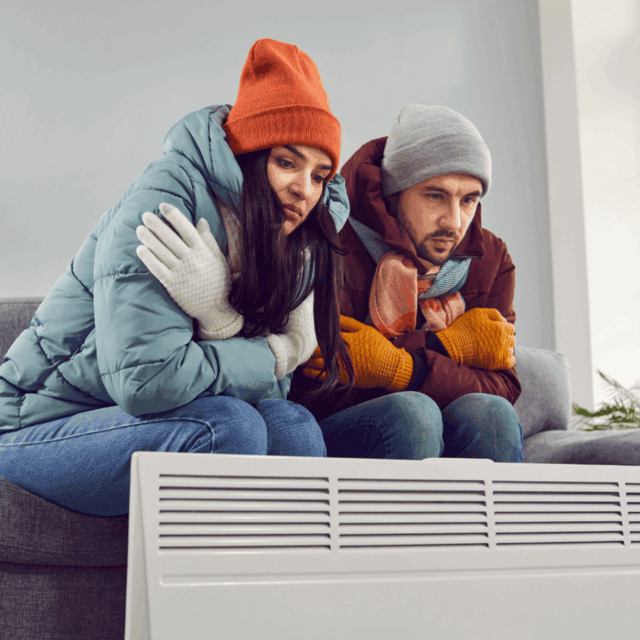 Nothing’s worse than waking up to a cold house on a freezing morning. If your furnace is breaking down more often, especially during peak heating season, it’s trying to tell you it can’t handle the workload anymore.
Short cycling, where the furnace turns on and off repeatedly, is particularly concerning. This pattern wastes energy, increases wear and tear, and leaves your home uncomfortable. While thermostat issues can cause short cycling, an aging furnace is often the real problem.
The Hidden Danger: Carbon Monoxide Risk
This is the most serious concern with an old, failing furnace. Carbon monoxide is an odorless, colorless gas that can be deadly. Furnaces with cracked heat exchangers or other serious problems can leak this dangerous gas into your home.
Signs of Carbon Monoxide Exposure
Warning signs include frequent headaches, dizziness, nausea, or flu-like symptoms that improve when you leave the house. You may see too much moisture on windows, rust on vent pipes, or a yellow or flickering pilot light. A steady blue flame is what you should expect.
Never ignore these warning signs. Carbon monoxide poisoning is a real risk with aging HVAC systems. Always have working carbon monoxide detectors in your home, and if they alarm, leave immediately and call for help.
Poor Furnace Performance Despite Maintenance
If you’ve kept up with annual tune-ups but your furnace still struggles to keep your home warm, age and wear have likely caught up with the system. Regular maintenance extends furnace life, but it can’t make an old system perform like new.
You might notice the furnace running constantly but never quite reaching the set temperature. Or it might reach temperature but take much longer than it used to. These are signs the system’s components are worn out beyond what maintenance can fix.
Making the Smart Choice: When Furnace Replacement Is the Best Investment
Deciding on furnace replacement isn’t just about fixing what’s broken. It’s about investing in your home’s comfort, your family’s safety, and your long-term savings.
Today’s furnaces offer better efficiency, quieter operation, and advanced features like smart thermostats and zoned heating. Many homeowners are also exploring heat pumps as an alternative option for year-round comfort.
Consider the total picture. Add up what you’ve spent on repairs in the past few years. Think about those rising energy bills. Factor in the peace of mind that comes with a reliable heating system and manufacturer warranties on new equipment.
Keep Your Arizona Home Comfortable Year-Round
Your furnace plays a critical role in your home’s comfort and your family’s wellbeing. Don’t wait for a complete breakdown in the middle of winter to make a decision about replacement.
If you’ve noticed any of these warning signs, it’s time to have a professional assessment. Action Plumbing Arizona has been serving homeowners throughout Arizona with honest, expert advice on heating systems.
Our experienced HVAC contractors can evaluate your current furnace, explain your options, and help you make the best decision for your home and budget.