

 Ever notice those annoying white spots on your shower door? Or maybe your dishes come out of the dishwasher looking cloudy even though they’re clean? Yeah, that’s hard water doing its thing.
The good news is that finding the best water softener can completely change your daily routine and save your plumbing system from serious damage down the road.
Here’s the thing. Hard water affects millions of homes across the country. It happens when your water picks up minerals like calcium and magnesium as it travels through the ground. These minerals aren’t going to hurt you if you drink them, but boy, do they cause headaches around the house.
Your clothes feel stiff and scratchy after washing. Your skin gets dry and itchy. And over time, all that mineral buildup can wreck your pipes and appliances.
Understanding Your Water Quality Needs
Before you start shopping for hard water solutions, you’ve got to know what you’re dealing with. First things first: test your water. You can grab a simple test kit at any hardware store for about $15 to $25. These kits tell you the hardness level in grains per gallon, or GPG for short.
Here’s how water hardness breaks down:
- Soft: 0 to 3.5 GPG
- Slightly hard: 3.5 to 7 GPG
- Moderately hard: 7 to 10.5 GPG
- Hard: 10.5 to 14 GPG
- Very hard: Over 14 GPG
Most experts say you should get a softener if your water tests above 7 GPG. But honestly, even slightly hard water can benefit from treatment if you’re seeing soap scum or mineral deposits around your home.
How the Water Softening Process Works
Let’s talk about how home water systems actually soften your water. It’s not as complicated as it sounds. The process is called ion exchange, and here’s the simple version.
What Is Ion Exchange?
Your hard water flows through a tank filled with tiny resin beads. These beads are coated with sodium or potassium ions. When your hard water passes through, the calcium and magnesium stick to the beads.
The sodium or potassium ions swap places with those hard minerals. What comes out the other side? Soft water flowing through your pipes.
Now, those resin beads eventually get loaded up with minerals. That’s when the system needs to regenerate.
During this process, a strong salt solution washes through the tank, removes all those trapped minerals, and recharges the beads with fresh sodium ions. Then the system flushes everything down the drain, and you’re back in business.
Exploring Types of Water Softeners
You’ve got several options when you’re shopping for softening systems. Each one has its pros and cons, so let’s break them down.
Salt-Based Ion Exchange Softeners
- Most effective for very hard water
- Fully remove calcium and magnesium
- Require regular salt refills
- Use water during regeneration
Salt-Free Conditioners
- Do not remove minerals
- Reduce scale buildup
- Low maintenance
- Best for mildly hard water
Dual-Tank Softeners
- Continuous soft water supply
- Ideal for large families
- Higher upfront cost
Magnetic or Electronic Descalers
- Easy installation
- Low cost
- Limited scientific evidence
Size Matters: Choosing the Right Capacity
Getting the right size is super important for efficiency. Too small and your system will be regenerating all the time, wasting salt like crazy. Too big and you’ll pay extra money upfront for capacity you don’t need.
Calculating Daily Water Usage
Here’s how to calculate what you need. Multiply your daily water usage by your hardness level. The average person uses about 75 gallons per day.
So a family of four? That’s roughly 300 gallons daily. If your water tests at 10 GPG, you need a system that handles 3,000 grains per day (300 gallons times 10 GPG).
Most home systems range from 24,000 to 64,000 grain capacity. A 32,000 grain system usually works great for a family of four with moderately hard water.
Installation Tips for Success
Look, professional installation is the way to go if you want your system working right from day one. Local plumbing experts know the building codes inside and out.
They can spot potential problems before they become expensive headaches. They’ll put the system in the perfect spot and set up the regeneration schedule based on how much water your household actually uses.
That said, if you’re pretty handy and want to DIY it, here are some guidelines.
- Install softener near the main water line (after outdoor spigots)
- Add a bypass valve for easy maintenance
- Ensure access to a nearby drain
- Verify local plumbing codes before installation
Maintenance Requirements to Keep in Mind
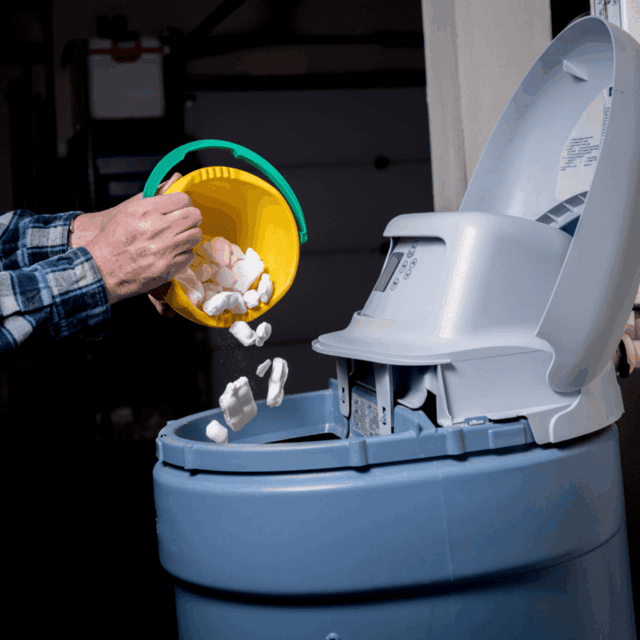 Good news here. Quality softeners don’t need much babysitting. Your main job is keeping the brine tank filled with salt.
Salt Refilling Schedule
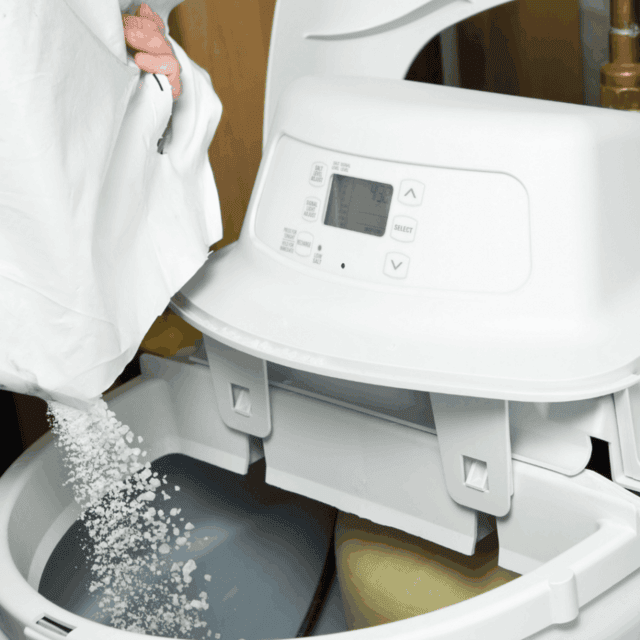
Check the salt level once a month and top it off when it drops to about a quarter full. Use high-purity salt pellets made specifically for water softeners. Skip the rock salt because it has impurities that can gunk up your system.
Cleaning the Brine Tank
You should clean the brine tank once a year. This stops salt bridges from forming (those are hard crusts that develop above the water line) and keeps everything running smoothly. Most systems also do well with an annual checkup from a pro. A technician can verify the settings and clean the resin bed if it needs it.
Breaking Down Cost Analysis
Buying a water softener isn’t just about the upfront price. To make a smart decision, it helps to understand the full cost over time, including installation and ongoing operating expenses. Here’s a simple breakdown of what you can expect to pay.
- Water softener unit: $400–$2,500
- Professional installation: $200–$500
- Monthly salt cost: $5–$10
- Additional water usage: $2–$5/month
- Electricity: ~$1/month
Considering Eco-Friendly Options
Traditional salt-based systems do have some environmental concerns. They send salt brine into the wastewater, which can mess with septic systems and local water treatment plants. Some communities actually have restrictions on salt-based softeners because of this.
Want a greener option? Try potassium chloride instead of sodium chloride. It costs more but it’s better for the environment and for people watching their sodium intake.
High-Efficiency Water Softeners
High-efficiency models use less salt and water when they regenerate. Some fancy systems only regenerate based on how much water you actually use instead of running on a timer. That cuts waste big time.
Salt-free conditioners are your greenest choice since they don’t add anything to wastewater and don’t need electricity. Just remember they won’t truly soften very hard water.
Making Efficiency Comparisons
Not all water softeners perform the same, even if they look similar on the surface. Comparing efficiency features helps you avoid systems that waste salt, water, and money over time. Before you choose a model, pay attention to these key factors that separate high-quality systems from the rest.
- NSF/ANSI Standard 44 certification
- Water Quality Association Gold Seal
- Meter-based regeneration (preferred)
- High salt efficiency (4,000–6,000 grains per pound)
Learning from User Reviews
Real customer experiences tell you a lot. Look for reviews that talk about long-term performance, not just how it worked the first week. Pay attention to what people say about customer service and warranty support. Even the best equipment breaks down sometimes.
What customers love:
- Softer skin and hair
- Cleaner dishes
- Reduced soap usage
Common complaints:
- Confusing programming
- Salt bridges
- Over-frequent regeneration
Making Your Final Decision on the Best Water Softener
Choosing the best water softener really comes down to matching the right system to your specific situation.
Key Factors to Consider Before Buying
Think about your water hardness level, how many people live in your house, your budget, and whether you care about environmental impact. Don’t forget to check your local plumbing codes and whether your area has any restrictions on certain types of systems.
Matching the System to Your Household Needs
The right softener protects everything you’ve invested in your appliances. It makes cleaning easier and improves your daily comfort. Soft water means your skin and hair feel better, your dishes look cleaner, and your clothes last longer and feel softer.
Best of all, you’ll add years to the life of your plumbing system and all those expensive water-using appliances.
Get Expert Help from Action Plumbing
Ready to finally enjoy soft water in your home? The team at Action Plumbing has spent years helping homeowners just like you find and install the perfect water treatment solutions.
We’ll test your water quality, walk you through which system makes sense for your needs and budget, and handle the professional installation from start to finish.
Our local plumbing experts stick around after installation too, providing ongoing maintenance and support to keep your system running like a champ for years to come.