

Art depicting idea of plumbers working on main sewer line

There are a few different clog or blockage types that are possible within a given plumbing system, and they are not all created equal. And on the more severe end of the spectrum here, at least in most cases, is a clog or blockage in your home’s main sewer line.

At Action Plumbing, Heating, Air & Electrical, our plumbing services include a wide range of solutions for main sewer line issues, including sewer line cleaning and trenchless sewer line repair. While many homeowners have dealt with a basic toilet clog or some other simple drain blockage issue, the main sewer line is an entirely different animal. This two-part blog series will dig into what makes sewer line clogs different from others, plus what causes them and how you can recognize their potential signs.

Sewer Clog Vs. Standard Clogs

So why are sewer line clogs different from a basic toilet backup or something else you can handle with a plunger? Well, because the sewer line is the central one that connects all the other main plumbing lines in your home.

A single clog in a sink drain, toilet or some other area can usually be remedied simply enough, whether via a plunger, drain snake or some other tool. During main sewer line backups, however, every drain in your home can become blocked all at once as the main system floods, leading to major concerns that typically can’t be solved so easily.

Our next few sections will dig into the common causes of main sewer line clogs and backups, plus how they can be avoided so you don’t run into these issues.

Tree Root Concerns

As the home’s primary feeder to the municipal sewer system, your main sewer line typically runs out of your house and through your back yard in piping below the ground’s surface. In cases where your sewer line is damaged in any way, or even in some situations where it isn’t, tree roots from nearby trees may grow into the area and even directly into the pipes as they reach out in search of water sources. This blocks the flow of wastewater, and the issue only increases with time as the roots expand.

For this reason, it’s important to understand where your main sewer line is and manage tree roots in the area. If you’re considering planting new trees, know your sewer line location and avoid it entirely.

Toilet Usage and Items Flushed

Another possible cause of main sewer line blockage: Materials being flushed down the toilet that do not belong there. This includes literally anything other than human waste and toilet paper, even certain wipes listed as “flushable” on the packaging – you still shouldn’t flush these. Toilet paper is made to break down within sewer lines and avoid clogging risks, which is why it’s the only approved material to flush other than your own waste.

For more on clogs in your main sewer line, or to learn about any of our plumbing or HVAC services, speak to the staff at Action Plumbing, Heating, Air & Electrical today.
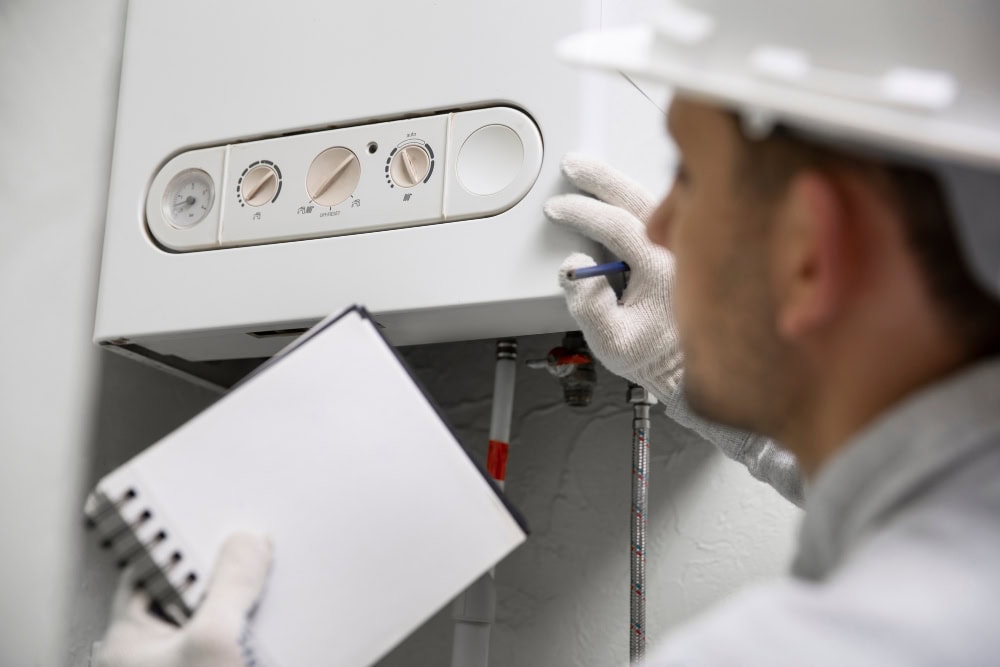
Tankless water heater installation

If your home’s water heater is on the decline and you’re looking into replacement options, one area to take a long look at is the tankless water heater. This modern option works in a different way than the older tank water heater format most are familiar with, providing on-demand hot water in a way that’s often much more efficient for today’s homeowners.

At Action Plumbing, Heating, Air & Electrical, we provide a wide range of water heater installation and repair services, including tankless water heater options available at your request. Let’s go over how tankless water heaters work and how they benefit you, plus the steps you should take toward determining if they’re the right choice for your new water heater.

Tankless Water Heater Basics

A tankless water heater, also known as an on-demand water heater, removes the tank used by older models and instead provides hot water as it’s needed in the home. It does this via a gas burner or an electrical unit – when a hot water tap is turned on anywhere in the home, water enters this unit and is immediately heated on the spot. Generally speaking, a single tankless water heater can produce between two and five gallons of hot water per minute.

For homes that need more water than this, multiple units can be connected to a parallel system. In other cases, some people install a tankless water heater specifically for certain appliances.

Benefits of Tankless Options

Tankless water heaters come with several specific benefits compared to other hot water heater systems:

  • Hot water is provided instantly, rather than waiting for it to flow up from the hot water tank.
  • The water’s temperature remains consistent at all times, rather than fluctuating based on how much hot water is in the tank.
  • Tankless water heaters have longer lifespans than traditional options.
  • Tankless options require less space for installation.
  • There is a reduced flooding risk based on a lack of a large tank filled with many gallons of water.
  • Many homes find major energy savings when it comes to the production of hot water within a tankless system.

Examining Your Water Bill

So how do you get an idea of whether a tankless water heater is the right call for your home in terms of efficiency? By looking at your water bill.

If you discover that your home averages under 41 gallons of hot water used per day, the US Department of Energy says a tankless option will be anywhere from 24 to 34 percent more efficient than a traditional tank option. If your home uses up to 86 gallons per day, the hot water heater will be between 8 and 14 percent more efficient. The USDE also has a convenient tool that helps you calculate water heater costs and determine if a tankless option would be a better choice for you.

For more on tankless water heaters, or to learn about any of our plumbing or HVAC services, speak to the staff at Action Plumbing, Heating, Air & Electrical today.

Select Your Location

    Select Your Location