
Don't ignore electrical rewiring signs such as blackouts

Keeping your home safe is essential. One critical aspect is ensuring your electrical system is up-to-date. Old wiring problems can cause many issues, from minor inconveniences to serious hazards. Here are the top 5 signs your home needs electrical rewiring.

1. Flickering or Dimming Lights

  • Electrical Rewiring Signs: If your lights flicker or dim without reason, this is a major electrical rewiring sign. It indicates home electrical issues that need immediate attention.
  • Old Wiring Problems: These problems often mean your wiring can’t handle the current load. This is a clear signal to rewire your home.

2. Frequent Circuit Breaker Trips

  • Home Electrical Issues: Circuit breakers are designed to trip when there’s an overload. If this happens often, it’s a sign of outdated electrical wiring.
  • Professional Electrician Help: A professional electrician can inspect your system and suggest an upgrade to your electrical system to prevent future issues.

3. Burning Smell or Scorch Marks

  • Electrical Fire Prevention: If you smell burning or see scorch marks on outlets, these are urgent electrical rewiring signs. It indicates a serious risk of fire.
  • Home Wiring Inspection: Call for a home wiring inspection immediately. This is vital for your safety.

4. Outdated Electrical Wiring

  • Upgrade Electrical System: Older homes often have outdated wiring that can’t handle modern electrical loads.
  • Electrical Safety Tips: Upgrading your electrical system ensures it meets current safety standards and prevents home electrical issues.

5. Unusual Noises from Electrical Outlets

  • Old Wiring Problems: Buzzing or humming noises from outlets or switches are common in homes with old wiring problems.
  • Professional Electrician Help: These noises can indicate a severe issue. Seek professional electrician help to rewire your home and ensure safety.

Additional Signs and Solutions

Ground Fault Circuit Interrupters (GFCI) Issues

  • GFCI Outlets: Ground fault circuit interrupters are essential for preventing electrical shocks, especially in wet areas like bathrooms and kitchens. If your home lacks GFCI outlets, it’s time to consider rewiring.

Aluminum Wiring Concerns

  • Aluminum Wiring: Homes built before the 1970s may have aluminum wiring, which can be a fire hazard. Replacing aluminum wiring with copper can prevent many issues.

Faulty Wiring and Short Circuits

  • Short Circuit: Frequent short circuits are a clear sign of faulty wiring. This not only disrupts your electrical service but also poses a significant fire risk.

Light Fixtures and Power Surges

  • Light Fixtures: If your light fixtures frequently blow bulbs or you experience power surges, these are signs of home electrical issues that need addressing.
  • Power Surges: Sudden power surges can damage your electrical appliances and indicate a problem with your wiring system.

Breaker Panel and Electrical Code Compliance

  • Breaker Panel: An outdated breaker panel can lead to numerous problems. Ensuring your panel complies with the latest electrical code is crucial for safety.
  • Electrical Code: Regular updates to the electrical code mean that older homes may not meet current safety standards. Upgrading ensures compliance and safety.

Burning Smells and Electrical Appliances

  • Burning Smells: Never ignore burning smells from electrical appliances or outlets. This is a clear indicator of potential fire hazards.
  • Electrical Appliances: Modern electrical appliances demand more power. Ensuring your wiring systems can handle this load is crucial.

Home’s Electrical System Health

Maintaining the health of your home’s electrical system involves regular inspections and timely upgrades. Here’s how to ensure your system is in top shape:

Home Wiring Inspection

  • Professional Electrician Help: Regular inspections by a professional electrician can catch problems early and suggest necessary upgrades.

Preventing Electrical Problems

  • Electrical Safety Tips: Follow electrical safety tips to prevent issues like short circuits and power surges.
  • Types of Wiring: Understanding the different types of wiring in your home can help you identify potential problems and solutions.

Peace of Mind with Professional Electrical Service

  • Electrical Service: Hiring professionals for electrical work ensures that all upgrades and repairs meet safety standards.
  • Peace of Mind: Knowing that your home’s electrical system is safe and efficient provides peace of mind.

Key Takeaways

  • Watch for electrical rewiring signs like flickering lights, frequent breaker trips, burning smells, outdated wiring, and unusual noises.
  • Home electrical issues can lead to serious hazards if not addressed promptly.
  • Always seek professional electrician help to upgrade your electrical system and ensure safety.
  • Regular home wiring inspection can help identify and fix old wiring problems before they become serious.
  • Follow electrical safety tips to prevent electrical fire prevention risks.

Additional Safety Measures

Electrical Appliances and Safety

  • Ground Fault Circuit Interrupters (GFCI): Ensure your home has GFCI outlets to prevent electrical shocks.
  • Breaker Panel Upgrades: An outdated breaker panel can lead to electrical issues. Upgrade your breaker panel to meet current safety standards.

Regular Maintenance and Inspections

  • Home Wiring Inspection: Schedule regular inspections to catch any issues early.
  • Types of Wiring: Know the types of wiring in your home. Some wiring systems, like aluminum wiring, may need replacing.

Conclusion

Keeping an eye out for these signs can help you maintain a safe and efficient home. If you notice any of these issues, don’t hesitate to seek professional help. Upgrading your electrical system can prevent future problems and keep your home safe.

For more information, visit Action Heating Air & Electric.

Furnace maintenance signs

Your furnace works hard to keep your home warm and cozy, especially during the chilly winter months. But like any hardworking machine, it needs regular care to keep running smoothly. If you ignore the signs that your furnace needs maintenance, you could end up with a cold house and a big repair bill! Let’s go over some furnace maintenance signs you should never ignore.

1. Strange Noises Coming from Your Furnace

One of the first signs of furnace problems is strange noises. If you hear banging, clanking, or rattling sounds, it’s time to pay attention. These noises could mean that something is loose or broken inside your furnace, like cracked heat exchangers or dirty filters. Don’t wait—address these furnace repair indicators quickly before the problem gets worse.

2. Your Furnace Isn’t Heating Evenly

Are some rooms in your house too hot while others are too cold? Uneven heating is another of the common furnace issues. It could mean there’s a problem with your heating system, such as clogged filters or air ducts. Maybe the furnace is struggling to distribute heated air evenly, which is a sure sign you need to look into furnace maintenance tips or get a professional furnace inspection from HVAC professionals.

3. The Thermostat Isn’t Working Right

If your thermostat is giving you trouble, like not responding when you try to change the temperature, it could be a red flag furnace needs repair. Sometimes, the problem isn’t with the thermostat itself but with the furnace, possibly due to wear and tear on the system. This is one of those heating system issues that can sneak up on you, so don’t ignore it! Also, check the circuit breakers to make sure they’re functioning properly.

4. Your Energy Bills Are Skyrocketing

Have you noticed your energy bills going up for no reason? This could be a big sign of furnace problems. When a furnace isn’t working efficiently due to dirty air filters or other issues, it uses more energy to heat your home, which means higher bills. If you see this happening, it’s time to review your furnace maintenance checklist and consider making your home more energy efficient.

5. The Pilot Light Is Yellow

The pilot light in your furnace should always burn blue. If it’s yellow, it’s a serious furnace repair indicator that something isn’t right. A yellow flame could mean that your furnace is producing carbon monoxide, a dangerous gas that can harm your family. Don’t wait—call for a professional furnace inspection right away and check your carbon monoxide detectors. Also, be aware of any gas leaks or natural gas smells in your home.

6. Your Furnace Is Short Cycling

Short cycling means your furnace is turning on and off too quickly. This is a clear sign of furnace problems. It can be caused by something as simple as a dirty filter or as serious as a malfunctioning thermostat. Either way, it’s a red flag furnace needs repair. Make sure you follow furnace maintenance tips and practice preventative maintenance to prevent this from happening.

7. It’s Been a Long Time Since Your Last Maintenance Check

One of the easiest furnace maintenance signs to spot is simply how long it’s been since your last professional furnace inspection. If it’s been more than a year, it’s time to schedule a check-up. Regular maintenance helps catch common furnace issues before they turn into expensive repairs and ensures good indoor air quality.

8. Your Furnace Is Old

Most furnaces last around 15 to 20 years. If your furnace is getting up there in age, it’s more likely to show signs of furnace problems. Older furnaces are also less efficient, which means higher energy bills and more frequent breakdowns. Keep an eye on furnace repair indicators as your furnace ages, and consider whether it’s time for a replacement. If you’re considering alternatives, a heat pump might be a good option for more energy efficient heating.

9. You Notice Weird Smells

Strange smells coming from your furnace are never a good sign. If you smell something burning, it could mean there’s dust inside the furnace, which isn’t too serious. But if the smell is more like natural gas or something rotten, it’s a major red flag furnace needs repair. This could also indicate carbon monoxide leaks, so turn off your furnace and call a professional right away.

10. The Air Quality in Your Home Is Poor

Your furnace does more than just heat your home—it also helps circulate air. If you notice that the indoor air qualityin your home is poor, like it’s dustier than usual or people are sneezing more, it might be a sign of furnace problems. This could be because your furnace isn’t filtering the air properly due to dirty filters or clogged filters. Regularly changing the filter and following your furnace maintenance checklist can help keep the air clean and improve indoor air quality.

Key Takeaways

  • Strange noises, uneven heating, and high energy bills are all furnace maintenance signs you shouldn’t ignore.
  • A yellow pilot light, short cycling, and weird smells are serious furnace repair indicators that need immediate attention.
  • Regular check-ups, preventative maintenance, and following furnace maintenance tips can help you avoid common furnace issues and keep your home warm and safe.

Conclusion

Your furnace is a crucial part of your home, especially when the temperatures drop. Don’t wait until something goes wrong—pay attention to these signs of furnace problems and follow a regular furnace maintenance checklist. If you notice any of these warning signs, it’s time to call in the experts. Action Plumbing Heating Air & Electric is here to help you keep your furnace in top shape. Remember, knowing when to service your furnace can save you a lot of trouble down the line!

Reach out to us today to schedule your professional furnace inspection. Let’s keep your home warm and cozy all winter long!

Well pump repair

Having a well can be a great way to get clean water for your home. But sometimes, things can go wrong with your well or pump. Knowing how to handle well pump repair and home well maintenance can save you a lot of stress and money. In this guide, we’ll cover everything you need to know about well and pump repair. Let’s dive in!

Understanding Your Well System

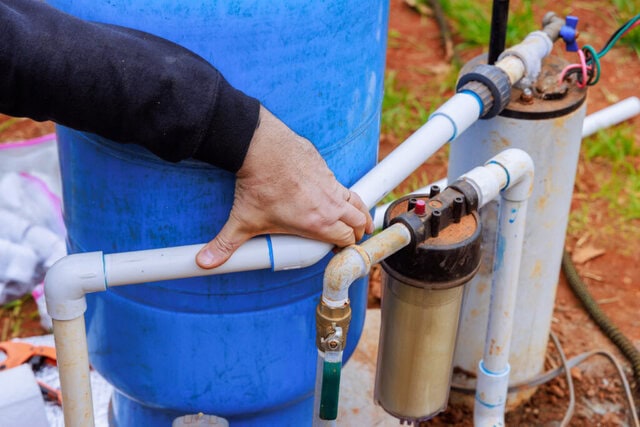
Before we get into well pump repair, it’s important to understand how your well system works. Your well system consists of several parts, including the well, the pump, and the pressure tank. These parts work together to bring water from the ground to your home.

  1. The Well: This is the hole drilled into the ground to access groundwater.
  2. The Pump: This device moves water from the well to your home. There are two main types of pumps: jet pumps and submersible pumps.
  3. The Pressure Tank: This tank stores water and keeps the pressure consistent in your plumbing system.

Common Well Problems

Even with regular home well maintenance, problems can still occur. Here are some common well problems you might face:

  1. No Water: This is one of the most obvious signs of a problem. It could be due to a power outage, a tripped circuit breaker, or a malfunctioning pump.
  2. Low Water Pressure: This can be caused by a clogged filter, a leak in the system, or a problem with the pressure tank.
  3. Dirty Water: If your water looks dirty, it could be a sign of sediment buildup in the well.
  4. Strange Noises: Loud or unusual noises coming from your well pump can indicate a problem with the pump or the pressure tank.
  5. Water Pump Issues: Various issues can affect your water pump, from wear and tear to electrical problems.

Well Pump Troubleshooting

When you face water pump issues, the first step is to troubleshoot the problem. Here are some well pump troubleshooting tips:

  1. Check the Power: Make sure the pump is getting power. Check the circuit breaker and any fuses that might be related to the well pump.
  2. Inspect the Pressure Switch: The pressure switch controls the pump. If it’s faulty, it could cause the pump to stop working. You can test it with a multimeter to see if it’s working properly.
  3. Look for Leaks: Inspect the pipes and connections for any signs of leaks. Leaks can reduce water pressure and cause the pump to run continuously.
  4. Clean or Replace the Filter: A clogged filter can reduce water flow. Clean or replace it to see if that solves the problem.
  5. Check the Pressure Gauge: The pressure gauge can help you determine if there is a problem with the pressure tank or the pump system.

DIY Well Repair Tips

Some well pump repairs can be done on your own. Here are some DIY well repair tips:

  1. Replacing the Pressure Switch: If your pressure switch is faulty, you can replace it yourself. Turn off the power to the pump, remove the old switch, and install the new one. Make sure to follow the manufacturer’s instructions.
  2. Cleaning the Pressure Tank: Sediment can build up in the pressure tank over time. You can drain and clean the tank to remove any sediment.
  3. Checking the Air Charge: The pressure tank needs the right amount of air to function properly. Use a tire gauge to check the air charge and adjust it if necessary.
  4. Flushing the System: If your water looks dirty, you can flush the system to remove any sediment. Open all the faucets in your home and let the water run until it clears up.
  5. Monitoring the Water Level: Keep an eye on your water level. If it drops significantly, it could indicate a problem with the well or the pump system.

When to Call a Professional

While some repairs can be done on your own, there are times when you need to call a professional. Here are some signs that you need professional well repair:

  1. No Water: If you have no water and can’t figure out the problem, it’s time to call a professional.
  2. Constantly Running Pump: If your pump runs all the time, it could be a sign of a serious problem. A professional can diagnose and fix the issue.
  3. Low Water Pressure: If you’ve tried everything and still have low water pressure, a professional can help identify the cause.
  4. Dirty Water: If your water remains dirty after flushing the system, it could be a sign of a more serious problem that needs professional attention.
  5. Pump Failures: Frequent pump failures might require a more thorough inspection and possible pump replacement.

The Importance of Regular Home Well Maintenance

Regular home well maintenance is crucial to keep your well system running smoothly. Here are some water system maintenance tips:

  1. Annual Inspections: Have your well system inspected by a professional at least once a year. This can help identify and fix problems before they become serious.
  2. Regular Testing: Test your water regularly for contaminants. This ensures that your drinking water is safe.
  3. Clean the Area Around the Well: Keep the area around your well clean and free of debris. This prevents contaminants from entering the well.
  4. Monitor Water Levels: Keep an eye on your water levels. If you notice a drop in water levels, it could be a sign of a problem.
  5. Use Water Softeners: If your water is hard, consider using water softeners to prevent scale buildup in your pipes and well system.

Professional Well and Pump Services

When it comes to well and pump services, it’s important to choose a reliable company. Professional well repair services can handle everything from routine maintenance to emergency repairs. Here are some services they offer:

  1. Well Pump Repair: Whether it’s a minor repair or a complete pump replacement, professionals can handle it all.
  2. Well System Repair: This includes fixing leaks, replacing pipes, and repairing the pressure tank.
  3. Water System Maintenance: Regular maintenance services to keep your well system in top condition.
  4. Emergency Services: If you have an urgent problem, many companies offer 24/7 emergency services.
  5. Water Treatment Systems: Professionals can install and maintain water treatment systems to ensure your water supply is clean and safe.

Choosing the Right Well and Pump Services

When selecting a well and pump service, consider the following:

  1. Experience: Choose a company with a proven track record in well pump repair and water system maintenance.
  2. Reputation: Look for reviews and testimonials from other homeowners. A good reputation is a sign of quality service.
  3. Licensing and Insurance: Make sure the company is licensed and insured. This protects you in case of any accidents or damage.
  4. Availability: Choose a company that offers emergency services. This ensures you can get help when you need it most.

Conclusion

Understanding well and pump repair is crucial for every homeowner with a well system. Regular home well maintenance, well pump troubleshooting, and knowing when to call a professional can save you time and money. By following the tips in this guide, you can ensure your well system stays in top condition.

If you need professional well repair services, contact Action Plumbing Heating Air & Electric. We offer comprehensive well and pump services to keep your home’s water system running smoothly. Visit our website at Action Plumbing Heating Air & Electric. We’re here to help with all your well pump repair and home well maintenance needs!


Sewer camera inspection

Taking care of your home involves more than just keeping it clean and tidy. One important but often overlooked part of home maintenance is checking your sewer system. Regular sewer inspections, especially using a sewer camera inspection, can save you a lot of trouble and money in the long run. Let’s explore why these inspections are so important and how they can help keep your home in top shape.

What Is a Sewer Camera Inspection?

A sewer camera inspection involves using a special camera to look inside your sewer lines. This camera is attached to a long, flexible rod that can go deep into the pipes. It sends live video footage to a monitor, allowing plumbers to see the inside of the pipes clearly. This helps them spot any problems that might be hidden from view. A plumbing camera inspection is a powerful tool in modern home maintenance.

Why Are Regular Sewer Inspections Important?

Regular sewer inspections are crucial for several reasons:

  1. Prevent Sewer Issues: Catching problems early can prevent them from becoming bigger and more expensive to fix. Regular sewer inspections help identify issues before they cause major damage.
  2. Home Sewer Maintenance: Just like you need to change the oil in your car, your home sewer system needs regular checkups. This helps keep everything running smoothly.
  3. Sewer Line Problems: Cracks, clogs, and tree roots can cause serious sewer line problems. A plumbing camera inspection can find these issues early, saving you from costly repairs.
  4. Professional Sewer Inspection: A professional sewer inspection by a trained plumber ensures that any problems are accurately identified and addressed.

Benefits of Sewer Camera Inspections

Using a sewer camera for inspections offers many benefits:

  1. Accurate Diagnosis: The camera provides a clear view of the inside of the pipes, allowing for an accurate diagnosis of any issues. This means plumbers can find and fix problems quickly. These sewer camera benefits are essential for effective home maintenance.
  2. Non-Invasive: Unlike traditional methods, a sewer camera inspection doesn’t require digging up your yard. The camera goes directly into the pipes, making the process much less disruptive.
  3. Preventative Maintenance: Regular sewer inspections can help prevent sewer issues before they start. This can save you a lot of money on repairs and keep your home running smoothly. These sewer camera benefits are crucial for maintaining your plumbing system.
  4. Peace of Mind: Knowing that your sewer system is in good shape can give you peace of mind. Regular inspections ensure that you’re aware of any potential problems and can address them promptly. The sewer camera benefits make it easier to maintain a healthy and functioning home environment.

Common Sewer Line Problems

Sewer lines can face several common problems. Here are a few that a sewer camera inspection can help identify:

  1. Clogs: Grease, hair, and other debris can build up and cause clogs. A sewer camera inspection can find these clogs before they cause backups.
  2. Cracks and Leaks: Over time, pipes can crack or develop leaks. Regular sewer inspections help spot these issues early.
  3. Tree Roots: Tree roots can grow into sewer lines, causing blockages and damage. A plumbing camera inspection can identify root intrusions before they cause serious problems.
  4. Corrosion: Older pipes can corrode and weaken. A sewer camera inspection can reveal signs of corrosion and help you decide when it’s time to replace the pipes.

How Often Should You Have a Sewer Camera Inspection?

Regular sewer inspections are important, but how often should you have them done? Here are some general guidelines:

  1. Annual Inspections: For most homes, an annual sewer camera inspection is recommended. This helps catch any problems early and ensures your sewer system is in good shape. An annual sewer system checkup can make a huge difference in maintaining your home.
  2. Older Homes: If you have an older home, you might need inspections more frequently. Older pipes are more prone to issues, so regular checkups are crucial. Regular sewer system checkups in older homes can prevent costly repairs.
  3. After Major Repairs: If you’ve had major repairs done on your sewer system, a follow-up inspection is a good idea. This ensures that the repairs were successful and that no new issues have arisen.
  4. Before Buying a Home: If you’re buying a new home, a sewer camera inspection can reveal any hidden problems. This can save you from unexpected repair costs down the line. A pre-purchase sewer system checkup is a wise investment.

Steps of a Sewer Camera Inspection

Here’s what you can expect during a sewer camera inspection:

  1. Initial Assessment: The plumber will start with an initial assessment of your sewer system. This helps them understand any existing issues and determine the best approach for the inspection.
  2. Camera Insertion: The sewer camera is inserted into the sewer line through an access point, such as a cleanout or a drain. The camera is attached to a flexible rod that can navigate through the pipes.
  3. Live Video Feed: As the camera moves through the sewer line, it sends live video footage to a monitor. The plumber watches the footage in real-time, looking for any signs of problems.
  4. Identifying Issues: The plumber will look for clogs, cracks, tree roots, and other issues. They can pause the camera and take snapshots of any problem areas for further analysis.
  5. Detailed Report: After the inspection, the plumber will provide you with a detailed report of their findings. This report will include video footage and images of any issues, along with recommendations for repairs.

DIY vs. Professional Sewer Inspections

While there are DIY sewer camera inspection kits available, it’s usually best to hire a professional. Here’s why:

  1. Expertise: Professional plumbers have the training and experience to accurately diagnose and fix sewer line problems. They can spot issues that you might miss. A professional sewer line inspection ensures thorough and accurate results.
  2. Advanced Equipment: Professionals use high-quality sewer cameras that provide clear, detailed footage. DIY kits might not offer the same level of clarity.
  3. Safety: Working with sewer lines can be hazardous. Professional plumbers know how to handle the inspection safely and effectively.
  4. Comprehensive Service: A professional sewer inspection includes a detailed report and recommendations for repairs. This ensures that you have all the information you need to make informed decisions.

Maintaining Your Sewer System

Regular sewer camera inspections are a crucial part of home sewer maintenance. Here are some additional tips to keep your sewer system in top shape:

  1. Avoid Flushing Non-Flushables: Don’t flush items like wipes, paper towels, or feminine hygiene products. These can cause clogs and damage your sewer system.
  2. Dispose of Grease Properly: Pouring grease down the drain can lead to clogs. Instead, let it cool and dispose of it in the trash.
  3. Use Drain Screens: Place screens over drains to catch hair and debris. This can prevent clogs and keep your sewer lines clear.
  4. Regular Cleaning: Clean your drains regularly with a mixture of baking soda and vinegar. This can help prevent buildup and keep your sewer system running smoothly.
  5. Watch for Warning Signs: Be on the lookout for signs of sewer line problems, such as slow drains, foul odors, or gurgling sounds. If you notice any of these issues, schedule a sewer camera inspection right away. Regular sewer system checkups are essential for early detection of problems.

Conclusion

Regular sewer camera inspections are essential for maintaining your home’s plumbing system. They help prevent sewer issues, identify problems early, and ensure your sewer lines are in good shape. By investing in regular inspections, you can save money on repairs and enjoy peace of mind knowing that your home’s sewer system is well-maintained. The benefits of sewer camera inspections are clear and impactful for long-term home maintenance.

If you need a professional sewer inspection, contact Action Plumbing Heating Air & Electric. We offer comprehensive sewer camera inspections and other plumbing services to keep your home in top condition. Visit our website at Action Plumbing Heating Air & Electric. We’re here to help with all your plumbing needs!

With these tips and regular sewer inspections, you can keep your home’s plumbing system running smoothly and avoid costly repairs. Don’t wait for a problem to arise—schedule your sewer camera inspection today! The sewer camera benefits and regular sewer system checkups will protect your home and save you money in the long run.

Stubborn toilet blockage

Toilet blockages are no fun. They can be messy and frustrating. But don’t worry! You can often fix a stubborn toilet blockage on your own. Here are some easy and fun tips for DIY toilet unclogging and when to call a professional plumber for help.

Understanding a Stubborn Toilet Blockage

A stubborn toilet blockage can happen for many reasons. Sometimes too much toilet paper gets stuck. Other times, objects like toys or wipes cause the problem. Knowing the cause can help you find the right toilet clog solutions.

DIY Toilet Unclogging Tips

Let’s start with some simple DIY toilet unclogging tips.

1. Use a Toilet Plunger

  • Toilet Plunger Tips: A plunger is your best friend for fixing a stubborn toilet blockage. Place the plunger over the hole in the toilet bowl. Push down and pull up gently at first. Then, do it more forcefully. Repeat this several times.
  • Unclogging Tips: Make sure there is enough water in the bowl to cover the plunger. This creates a better seal and helps push the blockage through.

2. Hot Water and Dish Soap

  • Home Toilet Repair: Pour a bit of dish soap into the toilet bowl. Then, add hot (not boiling) water. Let it sit for a few minutes. This can help break up the blockage.
  • Toilet Clog Solutions: The hot water and soap act as a lubricant, making it easier to push the blockage through.

3. Baking Soda and Vinegar

  • DIY Toilet Unclogging: Mix baking soda and cups of vinegar in a cup. Pour the mixture into the toilet. Let it fizz and sit for about 30 minutes. Then, try flushing the toilet.
  • Unclogging Tips: This natural solution can help dissolve the blockage and is safe for your pipes. The chemical reaction can help break down the clog.

4. Toilet Without a Plunger

  • Home Toilet Repair: If you don’t have a plunger, you can still fix a toilet blockage. Use hot water, dish soap, and patience. Pour hot water from waist height into the bowl to create water pressure. Repeat until the clog clears.
  • Toilet Clog Solutions: This method works well for minor clogs.

When to Call a Professional Plumber

Sometimes, a blockage is too tough to handle on your own. Here’s when you should seek professional plumber help.

1. Persistent Blockages

  • Plumbing Emergency: If your toilet keeps getting blocked, it might be a sign of a bigger problem. A professional plumber can find the cause and fix it.
  • Drain Clogs: Persistent drain clogs may indicate tree roots or other serious issues.

2. Water Backing Up

  • Sewer Blockage Repair: If water backs up in other drains when you flush the toilet, you might have a sewer blockage. This is a job for a pro.
  • Licensed Plumber: A licensed plumber has the tools and knowledge to fix this problem.

3. Strange Noises

  • Professional Plumber Help: Gurgling sounds from your toilet or drains can indicate a blockage deeper in the pipes. A plumber has the tools to fix this.
  • Plumbing Snake: Plumbers use a plumbing snake to reach deep into pipes and clear blockages.

Preventing Future Blockages

Now that you know how to handle a blockage, let’s look at ways to prevent them.

1. Watch What You Flush

  • Home Toilet Repair: Only flush toilet paper and human waste. Avoid flushing wipes, toys, or other objects.
  • Toilet Clog Solutions: Keeping foreign objects out of the toilet can prevent many blockages.

2. Regular Maintenance

  • DIY Toilet Unclogging: Regularly check your toilet for any signs of trouble. Catching a problem early can save you a lot of hassle.
  • Unclogging Tips: A little maintenance goes a long way in preventing blockages.

3. Use a Toilet Auger

  • Toilet Auger: A toilet auger can help remove stubborn clogs that a plunger can’t fix. Insert the auger into the toilet bowl and twist it to break up the blockage.
  • Toilet Snaking: This method, also known as toilet snaking, is effective for tough clogs.

Fun Facts About Toilet Plungers

Did you know there are different types of plungers? Here are some fun facts:

  • Toilet Plunger Tips: The standard plunger with a flat bottom works best for sinks. For toilets, use a flange plunger. It has an extra flap to create a better seal.
  • DIY Toilet Unclogging: Keep a dedicated toilet plunger in your bathroom. This ensures you always have the right tool on hand.

When DIY Doesn’t Work

Even with the best unclogging tips, sometimes DIY methods just don’t work. Don’t feel bad! Blockages can be tricky. That’s when professional plumber help becomes essential.

1. High-Pressure Water Jets

  • Plumbing Emergency: Plumbers use special tools like high-pressure water jets to clear stubborn blockages. This method is powerful and effective.
  • Sewer Blockage Repair: It can also clean the pipes, preventing future clogs.

2. Plumbing Snakes

  • Home Toilet Repair: Another tool plumbers use is the plumbing snake. It’s a long, flexible tool that can reach deep into pipes.
  • Toilet Clog Solutions: This helps remove blockages that are out of reach for plungers.

The Importance of a Healthy Toilet System

A well-functioning toilet system is crucial for any home. It ensures comfort and hygiene. Regular maintenance and knowing how to handle blockages can keep your system in top shape.

1. Avoiding a Plumbing Emergency

  • Professional Plumber Help: Regular check-ups by a plumber can catch small issues before they become big problems.
  • Sewer Blockage Repair: This proactive approach saves you time and money in the long run.

2. Peace of Mind

  • Unclogging Tips: Knowing you can handle minor blockages gives you peace of mind.
  • Toilet Clog Solutions: And knowing when to call a pro ensures you’re never stuck with a serious problem.

Key Takeaways

  • A stubborn toilet blockage can often be fixed with simple DIY toilet unclogging methods.
  • Use toilet plunger tips and household items like dish soap or baking soda and cups of vinegar.
  • Know when to seek professional plumber help for persistent or severe blockages.
  • Regular maintenance and smart flushing habits can prevent future blockages.

Conclusion

Dealing with a stubborn toilet blockage doesn’t have to be stressful. With the right unclogging tips and toilet clog solutions, you can handle most issues on your own. But don’t hesitate to call a professional plumber if needed. They can provide expert home toilet repair and ensure your system is in top shape.

For more information, visit Action Plumbing Heating Air & Electric.

Water systems plumbing art

Ensuring your home’s water systems plumbing is in top condition is crucial for maintaining a comfortable living environment. Often, minor issues can escalate into major problems if left unchecked. At Action Plumbing, we are experts in all things plumbing! Follow along to learn more about how to keep your plumbing in best shape.

Here are the top 5 signs that indicate your water systems plumbing needs professional attention:

1. Slow Draining or Clogged Fixtures

One of the most common signs of plumbing problems is slow draining or frequently clogged fixtures. Whether it’s a sink that takes forever to empty or a shower drain that backs up regularly, these issues point to potential blockages in your pipes. Professional plumbing help can diagnose and resolve these issues efficiently. Slow drains are not just an inconvenience; they are a plumbing warning sign that indicates a deeper issue within your plumbing system.

When you encounter slow draining or clogged fixtures, it’s essential to seek expert plumbing advice. Ignoring these water system issues can lead to more severe blockages and potential pipe damage. Regular plumbing system maintenance and inspections are necessary to keep your drains flowing smoothly. If you notice any of these signs of plumbing problems, schedule a home plumbing check with our team to ensure everything is in order.

2. Low Water Pressure

Have you noticed a decrease in water pressure throughout your home? This could be due to several water system issues such as mineral buildup in pipes, leaks, or even problems with the municipal water supply. A plumbing inspection by experts can identify the root cause and recommend appropriate plumbing repair services to restore optimal water pressure. Low water pressure is not just frustrating; it is a plumbing warning sign that requires immediate attention.

Low water pressure can affect your daily routines, from showering to washing dishes. It might indicate that your water systems plumbing needs professional attention. Regular plumbing system maintenance can prevent these issues. If you suspect low water pressure is affecting your home, contact us for a thorough plumbing inspection needed to identify and fix the problem. Our professional plumbing help ensures that your water pressure returns to normal, providing you with a comfortable living environment.

3. Persistent Dripping Faucets

A dripping faucet not only wastes water but also indicates underlying plumbing system maintenance issues. The constant drip is often a sign that internal components are worn out or damaged. Ignoring it can lead to higher water bills and potential damage to your fixtures. Expert plumbing advice can help you resolve this issue promptly. Dripping faucets are clear signs of plumbing problems that should not be overlooked.

Dripping faucets are more than just an annoyance—they’re a signal that your water systems plumbing needs professional attention. These water system issues can lead to significant water wastage over time. Regular home plumbing checks and timely plumbing repair services can prevent such problems. If you notice a persistent drip, seek professional plumbing help to fix it and avoid further complications.

4. Water Stains or Mold Growth

Water stains on walls or ceilings, or mold growth in unexpected places, are clear indicators of plumbing leaks. These plumbing warning signs should never be ignored as they can signify hidden water system issues behind your walls or in your flooring. Professional plumbing help can conduct a thorough home plumbing check to pinpoint and repair leaks before they cause extensive damage. Addressing these signs of plumbing problems early can save you from costly repairs down the line.

Water stains and mold growth are serious plumbing warning signs. They indicate that your water systems plumbing needs professional attention to prevent further damage. Regular plumbing system maintenance and inspections can help detect and resolve these issues. If you spot water stains or mold, contact us for a comprehensive plumbing inspection needed to protect your home and health.

5. Strange Noises from Pipes

Gurgling, banging, or whistling noises coming from your pipes when using water fixtures can indicate various water system plumbing problems. These noises may suggest air in the pipes, water pressure issues, or even loose pipe connections. Addressing these plumbing system maintenance issues early with plumbing repair services can prevent more significant problems down the road. Strange noises are clear signs of plumbing problems that require immediate professional plumbing help.

Unusual sounds from your pipes are plumbing warning signs that should not be ignored. They indicate that your water systems plumbing needs professional attention. Regular home plumbing checks and expert plumbing advice can help identify the cause of these noises and fix them promptly. If you hear strange noises from your pipes, don’t hesitate to seek professional plumbing help to ensure your plumbing system operates quietly and efficiently.

Why You Need Professional Plumbing Help

Regular plumbing system maintenance and timely repairs are essential for preserving the integrity of your home’s water systems plumbing. Professional plumbers have the expertise and tools to perform comprehensive plumbing inspections and identify signs of plumbing problems early on. They can provide expert plumbing advice tailored to your specific situation and ensure that any issues are resolved efficiently.

Professional plumbing help is crucial for maintaining a healthy and efficient plumbing system. Regular plumbing inspections are needed to detect and address water system issues before they escalate. By seeking expert plumbing advice and timely plumbing repair services, you can prevent costly damage and ensure your home remains comfortable.

Why Choose Action Plumbing for Your Water Systems Plumbing Needs

When it comes to your home’s water systems plumbing, you deserve the best. At Action Plumbing, Heating, Air, and Electric, we are dedicated to providing top-notch services to meet all your plumbing needs. Here’s why you should choose us:

1. Experienced and Professional Technicians

Our team of technicians is highly trained and experienced in handling all types of water system issues. From minor leaks to major plumbing warning signs, our experts have seen it all. With years of experience under their belts, we provide professional plumbing help that is efficient and reliable. You can trust our team to perform thorough home plumbing checks and deliver top-notch plumbing repair services.

2. Comprehensive Plumbing Services

We offer a wide range of services to meet all your water systems plumbing needs. Whether you need a plumbing inspection, routine maintenance, or emergency repairs, we’ve got you covered. Our comprehensive plumbing system maintenance ensures that your home’s plumbing remains in optimal condition. We are dedicated to addressing all signs of plumbing problems promptly to prevent further issues.

3. Fast and Reliable Service

We understand that plumbing problems can be inconvenient and disruptive. That’s why we prioritize fast and reliable service. When you call us for professional plumbing help, we respond quickly to diagnose and fix the problem. Our goal is to minimize any inconvenience and restore your plumbing system to proper working order as soon as possible. With Action Plumbing, you can expect prompt and efficient plumbing repair services every time.

4. Customer Satisfaction Guarantee

Customer satisfaction is our top priority. We go above and beyond to ensure that our customers are happy with our services. From the initial plumbing inspection to the final repair, we keep you informed and involved every step of the way. Our expert plumbing advice and high-quality workmanship ensure that you receive the best service possible. We stand behind our work and are committed to delivering results that exceed your expectations.

5. Affordable and Transparent Pricing

We believe in providing high-quality services at fair and transparent prices. With Action Plumbing, there are no hidden fees or surprise charges. We provide detailed estimates before starting any work, so you know exactly what to expect. Our affordable pricing and exceptional service make us the best choice for all your water systems plumbing needs. When you need professional plumbing help, you can count on us to deliver value and quality.

6. Advanced Tools and Technology

To provide the best service, we use the latest tools and technology in the plumbing industry. Our advanced equipment allows us to perform accurate plumbing inspections and effective repairs. Whether it’s detecting hidden leaks or performing a comprehensive home plumbing check, our state-of-the-art tools ensure that the job is done right. Trust Action Plumbing for innovative solutions to all your water system issues.

7. Licensed and Insured

We are a fully licensed and insured plumbing company. This means you can have peace of mind knowing that your home is in safe hands. Our credentials reflect our commitment to professionalism and quality. When you choose us for your plumbing system maintenance and repairs, you are choosing a company that adheres to the highest standards in the industry.

8. Local Expertise

As a locally owned and operated business, we understand the unique plumbing needs of our community. We are familiar with the common water systems plumbing issues that homeowners face in our area. This local expertise allows us to provide tailored solutions and expert plumbing advice that is specific to your home’s requirements. When you need professional plumbing help, trust the experts who know your neighborhood best.

Action Plumbing, Heating, Air, and Electric is the best choice for all your water systems plumbing needs. Our experienced technicians, comprehensive services, fast response times, and commitment to customer satisfaction set us apart from the rest. Contact us today to schedule a plumbing inspection needed for your home and experience the Action Plumbing difference. Your home’s plumbing system is in good hands with us!

Conclusion

Recognizing these signs of plumbing problems early and seeking professional plumbing help can save you time, money, and stress in the long run. Whether it’s addressing slow drains, low water pressure, dripping faucets, water stains, or strange pipe noises, Action Plumbing, Heating, Air, and Electric is here to provide reliable plumbing repair services and expert plumbing advice. Contact us today to schedule a plumbing inspection needed for your home and ensure your water systems plumbing is in optimal condition.

Remember, proactive maintenance and timely repairs are key to maintaining a healthy plumbing system and avoiding costly repairs later. Don’t wait until small issues become major headaches—take action now to keep your water systems plumbing running smoothly!

Art of happy man who implemented winter preparation tips

Winter is coming! Is your furnace ready? Here are five essential winter preparation tips to make sure your furnace works great and keeps you warm all season long.

1. Upgrade Furnace Filters

  • Upgrade Furnace Filters: Clean furnace filters help your furnace run better. They keep the air in your home clean too. It’s a good idea to check and upgrade furnace filters regularly.
  • Indoor Air Quality: Clean filters improve indoor air quality by trapping dust and allergens.
  • Save Money: A clean filter helps your furnace use less energy, which can save money on your bills.

2. Test Emergency Furnace Switches

  • Test Emergency Furnace Switches: Make sure your furnace switches work. If there’s an emergency, you need to know they are ready.
  • DIY Checklist: Add testing emergency furnace switches to your DIY checklist. This ensures you won’t be caught off guard in cold weather.
  • Professional Tune-Up: A professional tune-up can include testing these switches to make sure everything is in order.

3. Check Ductwork and Gas Lines

  • Check Ductwork: Look at your ductwork for any leaks or blockages. This helps your furnace heat your home evenly.
  • Testing Gas Lines: Check your gas line for any leaks. This is important for safety.
  • Exterior Gas Valve: Make sure your exterior gas valve is working properly. This is essential for your furnace to run smoothly.

4. Clean Furnace Exterior and Interior Parts

  • Clean Furnace Exterior: Dust and debris can build up on your furnace. Cleaning the furnace exterior helps it run better.
  • Interior Blower Access: Access the interior blower to clean it. A clean blower fan improves efficiency.
  • Cleaning Burners: Don’t forget about cleaning burners too. This keeps your furnace burning fuel efficiently.

5. Schedule a Professional Tune-Up

  • Professional Tune-Up: A professional tune-up ensures your furnace is in top shape. The technician can spot any problems before they become big issues.
  • Save Money: Regular tune-ups can save money by preventing costly repairs and improving efficiency.

Detailed Tips for Each Step

Upgrade Furnace Filters

  • Furnace Filters: Replace your furnace filters every three months or as recommended. This keeps air flowing smoothly and your furnace working well.
  • Indoor Air Quality: New filters trap more dust and allergens, keeping the air in your home clean and fresh.

Test Emergency Furnace Switches

  • DIY Checklist: Add this task to your DIY checklist. Test all emergency furnace switches to ensure they are functional.
  • Professional Tune-Up: During a tune-up, a professional can also test these switches and make sure they are in good working order.

Check Ductwork and Gas Lines

  • Check Ductwork: Look for holes or leaks in your ductwork. Sealing these can improve the efficiency of your HVAC system.
  • Testing Gas Lines: Inspect gas lines for any signs of wear or leaks. This is crucial for safety and efficiency.
  • Exterior Gas Valve: Ensure the exterior gas valve is easy to turn on and off. This is important in case of emergencies.

Clean Furnace Exterior and Interior Parts

  • Clean Furnace Exterior: Use a damp cloth to wipe down the exterior of your furnace. This helps prevent dust buildup.
  • Interior Blower Access: Clean the blower fan to ensure it runs smoothly. This part moves air through your ducts.
  • Cleaning Burners: Remove and clean the burners to make sure they are free of dirt and debris.

Schedule a Professional Tune-Up

  • Professional Tune-Up: Schedule a tune-up before winter starts. A technician can check all parts of your furnace and make necessary repairs.
  • Save Money: Regular maintenance can help you save money by extending the life of your furnace and avoiding costly repairs.

Fun and Easy Tips

DIY Checklist

  • DIY Checklist: Make a DIY checklist of all these steps. It’s a fun way to stay organized and ensure your furnace is ready for winter.

Save Money

  • Save Money: Doing these tasks can help you save money by keeping your furnace running efficiently. You’ll spend less on energy bills and avoid expensive repairs.

Routine Maintenance

  • Routine Maintenance: Make these tips part of your routine maintenance. Regular care keeps your furnace in top shape year-round.

Key Takeaways

  • Follow these winter preparation tips to keep your furnace ready for the cold season.
  • Upgrade furnace filters regularly to improve indoor air quality and efficiency.
  • Test emergency furnace switches to ensure they are functional.
  • Check ductwork and testing gas lines for leaks or blockages.
  • Clean furnace exterior and interior parts to keep your furnace running smoothly.
  • Schedule a professional tune-up to catch any problems early and save money on repairs.

Conclusion

Getting your furnace ready for winter doesn’t have to be hard. With these simple and fun tips, you can ensure your furnace runs efficiently and keeps you warm all season long. For more help and professional tune-ups, visit Action Plumbing Heating Air & Electric. Stay warm and cozy this winter!

Worker thinking through repair vs replace ac system

As a homeowner, you rely on your air conditioner to keep your home cool and comfortable during the hot summer months. But what happens when your AC starts acting up? Do you repair it or replace it? This guide will help you understand when to repair vs replace your AC and provide you with helpful homeowner AC tips.

Understanding the Air Conditioner Lifespan

Before we dive into the specifics of repair vs replace AC decisions, it’s important to understand the typical lifespan of an air conditioner. Most air conditioners last between 10 to 15 years. However, this can vary depending on factors such as usage, maintenance, and the quality of the unit. Regular AC maintenance tips can help extend the life of your system.

Signs to Repair Your AC

There are several signs that indicate your AC might need a repair rather than a replacement. Here are some common signs to look for:

  1. Strange Noises: If your AC is making unusual noises, it could be a sign of a minor issue that can be fixed with a simple repair.
  2. Leaking Water: Water leaks can often be fixed without the need for a full replacement. It could be a clogged drain line or a minor leak.
  3. Poor Airflow: If your AC is not blowing as much air as it used to, it might just need a cleaning or a new filter.
  4. Higher Energy Bills: If your energy bills have spiked, a repair might help improve the efficiency of your unit.

When to Repair AC

Knowing when to repair your AC can save you money and extend the life of your unit. Here are some homeowner AC tips for when to repair:

  1. Age of the Unit: If your AC is less than 10 years old, it’s usually worth repairing it. Modern units are built to last and can often be fixed.
  2. Cost of Repair: If the repair cost is less than half the cost of a new unit, it’s usually better to repair it.
  3. Frequency of Repairs: If this is the first or second time you’re repairing the unit, go ahead and fix it.

Signs to Replace Your AC

Sometimes, replacing your AC is the better option. Here are some signs to replace AC:

  1. Frequent Breakdowns: If your AC is breaking down frequently, it might be time for a new one.
  2. High Repair Costs: If the repair costs are more than half the cost of a new unit, it’s usually better to replace it.
  3. Old Age: If your AC is over 15 years old, it’s probably time to start thinking about a replacement.
  4. Inefficiency: If your energy bills are consistently high, even after repairs, a new unit might be more energy-efficient and save you money in the long run.

Choosing a New Air Conditioner

When it’s time to replace your AC, choosing a new air conditioner can feel overwhelming. Here are some AC upgrade advice tips to help you make the right choice:

  1. Energy Efficiency: Look for units with a high SEER (Seasonal Energy Efficiency Ratio) rating. The higher the SEER rating, the more efficient the unit.
  2. Proper Size: Make sure the unit is the right size for your home. An AC that’s too small won’t cool your home effectively, and one that’s too large will cycle on and off too frequently.
  3. Features: Consider features like programmable thermostats, variable speed motors, and smart home compatibility.
  4. Budget: While it can be tempting to go for the cheapest option, remember that investing in a higher quality unit can save you money in the long run through lower energy bills and fewer repairs.

AC Maintenance Tips

Whether you decide to repair or replace your AC, proper maintenance is key to keeping it running smoothly. Here are some essential AC maintenance tips:

  1. Regularly Change Filters: Dirty filters can reduce airflow and make your AC work harder. Change them every 1-3 months.
  2. Clean the Coils: Over time, the condenser coils and evaporator coil can get dirty and reduce efficiency. Clean them annually or as needed.
  3. Check the Thermostat: Make sure your thermostat is set to cool and is working properly. Consider upgrading to a programmable thermostat for better control.
  4. Clear the Area Around the Unit: Ensure there are no plants, debris, or other obstructions around your outdoor unit.
  5. Schedule Professional Maintenance: Have a professional inspect and tune-up your AC system annually. This can catch small issues before they become big problems.

Fun Facts About Air Conditioning

To lighten things up, here are some fun facts about air conditioning:

  1. First Modern Air Conditioner: The first modern air conditioner was invented in 1902 by Willis Carrier. It was designed to control humidity in a printing plant.
  2. Summer Blockbusters: The concept of summer blockbuster movies was influenced by air conditioning. People flocked to theaters to escape the heat.
  3. Energy Consumption: Air conditioners use about 6% of all the electricity produced in the United States, costing homeowners around $29 billion annually.

Making the Decision: Repair vs Replace AC

Deciding whether to repair or replace your AC can be challenging. Here are some final homeowner AC tips to help you make the decision:

  1. Evaluate the Age and Condition: If your AC is nearing the end of its lifespan and requires frequent repairs, replacement might be the better option.
  2. Consider Energy Efficiency: Newer models are often more energy-efficient, which can save you money on your energy bills.
  3. Get a Professional Opinion: Sometimes it’s best to consult with HVAC professionals. They can assess your system and provide expert advice on whether to repair or replace it.
  4. Think Long-Term: While repairs can be cheaper in the short term, a new, more efficient unit might be more cost-effective in the long run.

Understanding Wear and Tear

Over time, all air conditioning systems experience wear and tear. Regular maintenance can help manage this, but eventually, every unit will need significant repairs or replacements. Keeping an eye on the condition of your system can help you decide when it’s time for an upgrade.

Additional Considerations

When replacing your air conditioner, consider looking into central air conditioners or heat pumps, which can offer energy savings and better efficiency. These newer models often have advanced features that can help you save on energy costs and improve the comfort of your home.

AC Repair or Replacement Scenarios

Here are some specific scenarios to help you decide between AC repair or replacement:

  1. Wear and Tear: If your unit is showing significant signs of wear and tear and is nearing the end of its lifespan, consider replacing your air conditioner.
  2. Frequent Repairs: If your HVAC unit requires frequent repairs, it might be more cost-effective to replace it.
  3. Energy Savings: Upgrading to a newer model with a higher SEER rating can provide significant energy savings over time.
  4. Major Component Failures: If major components like the evaporator coil or condenser coils need replacing, it might be more economical to invest in a new unit.

Conclusion

Understanding when to repair vs replace your AC is essential for every homeowner. By paying attention to the signs and following these tips, you can make an informed decision that keeps your home cool and comfortable. Whether you need a simple repair or a full air conditioner replacement, the key is regular maintenance and knowing when to act.

For professional advice and service, contact Action Plumbing Heating Air & Electric. Visit our website at Action Plumbing Heating Air & Electric. We’re here to help with all your air conditioning needs, from repairs to replacements and everything in between.

By following this air conditioner replacement guide and these homeowner AC tips, you can ensure your home stays cool and comfortable all summer long. Happy cooling!

Worker fixing common ac problems

Summer is a great time for fun in the sun, but it can get really hot. That’s when you need your air conditioner to work its best. Sometimes, though, it can have problems. Knowing how to fix AC issues can save you a lot of trouble. Here are some common AC problems and how to fix them.

1. AC Not Cooling

One of the most common AC problems is when the air conditioner isn’t cooling the house. This can be very frustrating, especially on a hot day. Here are some air conditioner troubleshooting tips to fix this issue:

  • Check the Thermostat: Make sure it’s set to “cool” and the temperature is set lower than the room temperature.
  • Clean the Filters: Dirty air filters can block airflow. Clean or replace them every month during the cooling season.
  • Clear the Condenser Coils: The condenser unit outside can get dirty and affect cooling. Clean them with a garden hose, making sure the unit is off before you start.

2. AC Not Turning On

Another common AC problem is when the unit doesn’t turn on. This can be due to a few reasons:

  • Check the Power: Make sure the unit is plugged in and the circuit breaker hasn’t tripped.
  • Inspect the Thermostat: Sometimes the thermostat’s batteries need replacing.
  • Check the Reset Button: Some units have a reset button that needs to be pressed after a power outage.

3. Poor Airflow

Poor airflow can make your home feel stuffy and uncomfortable. Here are some DIY AC fixes for this problem:

  • Clean the Ducts: Dust and debris can build up in the ducts. You might need a professional to clean them.
  • Check the Vents: Make sure all vents are open and not blocked by furniture or curtains.
  • Inspect the Blower Motor: If the blower motor isn’t working properly, it can affect airflow. This might need a professional to fix.

4. Strange Noises

Strange noises coming from your air conditioning unit can be alarming. Here are some air conditioner troubleshooting tips to fix this issue:

  • Rattling Noises: This could be a sign of loose parts. Check for any loose screws or bolts.
  • Hissing Noises: This might indicate refrigerant leaks. You’ll need a professional to fix this.
  • Squealing Noises: This can be due to a worn-out belt. Replacing the belt can fix the problem.

5. Water Leaks

Water leaking from your air conditioner can cause damage to your home. Here’s how to fix AC issues related to leaks:

  • Check the Drain Line: The drain line can get clogged with dirt and debris. Clean it with a wet/dry vacuum.
  • Inspect the Drain Pan: If the drain pan is cracked or full, it needs to be emptied or replaced.
  • Check the Filters: Dirty filters can cause the coils to freeze and then drip water when they melt. Clean or replace the filters.

6. Bad Odors

If your air conditioner is producing bad smells, it can make your home very unpleasant. Here are some DIY AC fixes for this problem:

  • Clean the Filters: Sometimes, mold and bacteria can grow on dirty filters. Clean or replace them regularly.
  • Inspect the Ducts: If there’s mold or mildew in the ducts, you might need a professional to clean them.
  • Use an Air Purifier: An air purifier can help reduce bad odors and improve indoor air quality.

7. High Energy Bills

If your energy bills are higher than usual, your air conditioner might not be working efficiently. Here are some AC repair tips to help:

  • Clean the Filters: Dirty air filters make the AC work harder, using more energy.
  • Seal the Ducts: Leaky ducts can let cool air escape, making the AC work harder.
  • Schedule Regular Maintenance: Regular air conditioning maintenance can keep your system running efficiently.

8. Short Cycling

Short cycling is when your air conditioner turns on and off frequently. This can be a sign of cooling system problems. Here’s how to fix AC issues related to short cycling:

  • Check the Thermostat Placement: If the thermostat is near a heat source, it can cause short cycling. Move it to a different location.
  • Clean the Coils: Dirty coils can cause the system to overheat and shut down. Clean them regularly.
  • Check the Refrigerant Levels: Low refrigerant levels can cause short cycling. You’ll need a professional to check and refill the refrigerant lines.

9. Frozen Coils

Frozen coils can prevent your AC from cooling properly. Here are some air conditioner troubleshooting tips to fix this issue:

  • Check the Airflow: Poor airflow can cause the coils to freeze. Make sure the filters are clean and the vents are open.
  • Inspect the Refrigerant Levels: Low refrigerant levels can cause the coils to freeze. You’ll need a professional to check and refill the refrigerant.
  • Turn Off the AC: If the coils are frozen, turn off the AC and let the ice melt. Then, address the underlying issue.

10. Thermostat Issues

Sometimes, the problem isn’t with the AC unit but with the thermostat. Here’s how to fix AC issues related to the thermostat:

  • Replace the Batteries: If the thermostat isn’t working, try replacing the batteries.
  • Recalibrate the Thermostat: If the temperature readings are off, you might need to recalibrate the thermostat.
  • Upgrade to a Programmable Thermostat: A programmable thermostat can help you save energy and keep your home comfortable.

Electrical Problems and Professional Help

Sometimes, air conditioning systems have issues that go beyond simple fixes and require professional help. Here are some signs you might need HVAC professionals:

  • Blown Fuses: If your air conditioner keeps blowing fuses, there might be an electrical problem. Check the electrical panel and reset any tripped breakers. If the problem persists, you might need HVAC repair.
  • System Won’t Turn On: If your AC won’t stop working despite trying all the basic fixes, it could be an electrical issue or a problem with the HVAC system itself.
  • Frequent Repairs or Replacements: If you find yourself constantly needing air conditioning repairs, it might be time to consider a replacement. Regular maintenance can help, but sometimes older units need to be replaced.

Maintaining Your HVAC System

Regular maintenance of your HVAC system is crucial for preventing common AC problems. Here are some additional tips:

  • Check the Refrigerant Levels: Low refrigerant can cause your system to stop working efficiently. Have a professional check and refill it if needed.
  • Inspect the Condenser Unit: Keep the area around your condenser unit clear of debris to ensure proper airflow and cooling.
  • Professional HVAC Repair: Schedule regular inspections with HVAC professionals to catch problems early. They can provide comprehensive air conditioning repairs and ensure your system is running smoothly.

Conclusion

Dealing with common AC problems can be frustrating, but knowing how to fix them can save you time and money. Regular air conditioning maintenance, keeping filters clean, and scheduling professional check-ups are key to keeping your cooling system running smoothly. For more help with home AC repairs, contact Action Plumbing Heating Air & Electric. Visit our website at Action Plumbing Heating Air & Electric. We’re here to help you stay cool all summer long.

By following this air conditioner repair guide and these AC repair tips, you can keep your home cool and comfortable. Happy cooling!

art of man who maximized ac performance with ac efficiency tips

Summer is here, and it’s time to keep cool without breaking the bank. Your air conditioner (AC) works hard during these hot months, but there are ways to help it run better and save money. Here are the top 10 tips for maximizing your AC’s efficiency this summer.

1. Schedule Regular Air Conditioner Maintenance

Regular maintenance is key to keeping your AC running smoothly. Have a professional check your system at least once a year. They can clean the unit, check for problems, and make sure everything is working properly. Regular air conditioner maintenance helps improve AC efficiency and prevent costly breakdowns. Keeping your AC system running well also reduces energy costs and prolongs the life of your air conditioning unit.

2. Clean or Replace Air Filters

Dirty air filters can block airflow and make your AC work harder. Clean or replace your filters every month or as needed. This simple step can greatly improve AC efficiency and help you stay cool all summer long. Clean filters ensure better air flow, allowing the system to cool more effectively.

3. Use a Programmable Thermostat

A programmable thermostat lets you set the temperature higher when you’re not home and lower when you are. This helps reduce AC energy costs and keeps your home comfortable. Set the thermostat to 78°F when you’re home and higher when you’re away for the best energy-efficient air conditioning. Adjusting your thermostat settings wisely can save energy and keep your electric bills under control.

4. Seal and Insulate Your Home

Gaps and cracks around windows and doors let cool air escape. Seal these gaps and add insulation to keep the cool air in. This home cooling solution will help maximize AC performance and keep your home cool. Proper insulation and sealing air leaks prevent warm air from entering and cool air from escaping, making your air conditioning systems work more efficiently.

5. Use Ceiling Fans

Ceiling fans help circulate the air and make your home feel cooler. Use them along with your AC to improve comfort and reduce the strain on your air conditioner. This is one of the best summer cooling tips to help improve AC efficiency. Ceiling fans can create a wind-chill effect, making it feel cooler without lowering the temperature, which helps in cooling your home efficiently.

6. Keep Heat-Producing Appliances Away

Appliances like lamps, TVs, and ovens produce heat. Keep these away from your thermostat so it doesn’t think the room is warmer than it is. This can help your AC run more efficiently and reduce energy costs. Ensuring that heat-producing devices are not near your thermostat prevents the system from running unnecessarily, thereby saving energy.

7. Close Curtains and Blinds

The sun’s rays can heat up your home quickly. Close curtains and blinds during the hottest part of the day to keep the sun out. This simple step can help reduce AC energy costs and keep your home cooler. Blocking hot air from the sun’s rays keeps your home cooler and reduces the load on your air conditioning unit.

8. Clear Debris Around the Outdoor Unit

Your AC’s outdoor unit needs good airflow to work efficiently. Clear away leaves, dirt, and other debris from around the unit. Make sure there are at least two feet of space around the unit for optimal performance. Keeping the condensing unit clear ensures better heat exchange and helps the system run more efficiently.

9. Use Ventilation Fans

Ventilation fans in your kitchen and bathroom can help remove heat and humidity from your home. Use these fans when cooking or taking a shower to help your AC work less and keep your home cool. Proper ventilation reduces the amount of warm air that your AC needs to cool, improving overall efficiency.

10. Upgrade to a High-Efficiency AC System

If your AC is old and not working well, consider upgrading to a high-efficiency system. Newer models use less energy and cool your home better. This investment can pay off in the long run with lower energy bills and a more comfortable home. Upgrading to a high-efficiency air conditioning system can significantly optimize your AC system and reduce utility bills.

Extra Tips for AC System Optimization

To ensure your AC system optimization is at its best, consider these additional tips:

  1. Regularly Check Thermostat Settings: Make sure your thermostat settings are adjusted for optimal performance. A well-set thermostat can help your system run efficiently and keep you cool without wasting energy.
  2. Monitor Air Flow: Check all vents and registers to ensure they are open and not blocked by furniture or other objects. Good air flow is essential for efficient cooling.
  3. Install Energy-Efficient Windows: If your windows are old, they might be letting in a lot of warm air. Energy-efficient windows can help keep the cold air in and the hot air out, reducing the load on your AC.
  4. Use Window Treatments Wisely: In addition to closing curtains and blinds, consider using reflective window films to reduce heat gain from the sun.
  5. Maintain Proper Humidity Levels: High humidity can make it feel warmer than it is. Use a dehumidifier to keep humidity levels in check, helping your AC work more efficiently.

Conclusion

Maximizing your AC’s efficiency this summer doesn’t have to be hard. By following these AC efficiency tips, you can stay cool and save money. Regular maintenance, using a programmable thermostat, sealing your home, and upgrading to a high-efficiency system are just a few ways to improve AC efficiency.

For more help with your air conditioning needs, contact Action Plumbing Heating Air & Electric. Visit our website at Action Plumbing Heating Air & Electric.  We’re here to help you stay cool and comfortable all summer long.

By following these summer AC tips, you can maximize your AC performance and enjoy a cool, energy-efficient home. Happy cooling!

Select Your Location

    Select Your Location