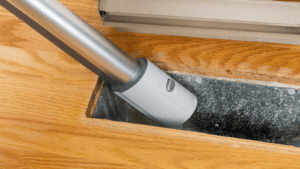

When it comes to the functions of your HVAC system, perhaps the most under-discussed component involved is your ductwork setup. Responsible for transporting air throughout the home and ensuring each room is at the appropriate temperature and air quality level, your air ducts play a major role in everything your HVAC system does throughout the year — and which materials are used in your ducts may impact how they perform.

At Action Plumbing, Heating, Air & Electric, we’re proud to offer numerous HVAC services, ranging from standard solutions like AC and furnace maintenance through assistance with your duct system if needed. We’re also here to help educate our clients on the various types of HVAC duct material that might be used in their home, plus some of the designations these materials fall under. Here’s a general primer on everything you need to know.

Flexible Vs Rigid Ductwork

Basically all forms of HVAC ducts fall into two categories: Flexible or rigid. Here are some basics on each:

  • Rigid ducts: The more common option found in homes today is rigid ductwork, which comes in either metal or reinforced fiberglass. Rigid ducts can be shaped into specific configurations to fit nearly any area you need, and this ability to curve the air channel makes them easier to install than flexible ducts. Rigid ducts can easily be fabricated for custom installations, and comes in a variety of sizes. It’s smooth on the inside and outside, ensuring easy cleaning and very difficult circumstances for mold or mildew to form.
  • Flexible ductwork: Flexible air ducts are made of wire coils with a covering typically comprised of plastic. It’s mostly used in smaller HVAC systems when a home has been well-insulated and no longer needs the ductwork to be as rigid. It’s also used in all kinds of commercial applications, like warehouses or clean rooms that demand completely flexible air channels. Because it can bend and twist, it’s perfect for many tighter areas. This is the type of ductwork that might be found in older homes or when retrofitting an older home with HVAC.

Rectangular Vs Round Ducts

Another important designation to think about: Whether your ducts are rectangular or round in shape. The former was the only option for several decades, but round configurations have become more popular in recent years. Both have their own set of pros and cons:

  • Rectangular ducts: These are sturdy, durable options that are ideal for low-pressure HVAC systems and tend to be the more commonly used option.
  • Round ducts: Seen most often in high-pressure systems, these are also good for commercial applications where airflow might need to be cycled back and forth quickly (like in warehouses). They tend to do a better job of redistributing air evenly throughout the home, but they’re harder to clean.

Now that we’ve been over some of the most important air duct configuration templates, our next few sections will go over the most common materials used to create these ducts.

Fiberboard

Referring to a material that’s made of fiberglass strands bonded together with a strong resin, fiberboard is the most common type of duct material used in homes today. Fiberboard is fireproof, inexpensive and easy to cut — plus it works extremely well at preventing air leakage. It’s also one of the best materials for sound absorption, which can be helpful if your HVAC system is running loudly throughout the year.

It should be noted that fiberboard ducts are typically covered by a thin plastic coating to keep them from being exposed to the elements. Fiberboard is highly resistant to mold and mildew, making it an ideal option when considering your HVAC ductwork.

Now, fiberboard isn’t without potential downsides. For instance, its inner sections are textured due to the fiberglass strands we mentioned above — this means dust and debris might stick to it more easily than other duct materials, and this could lower your efficiency if too much debris builds up (luckily, our team is here to help with duct cleaning if this happens).

Fiberglass

In other cases, fiberglass itself will be the primary material used. This is for a range of different reasons, but mainly because it’s easy to work with and widely available. Many homeowners opt for this material when they’re replacing their existing ducts or installing new ones in tight spaces.

Fiberglass has an inner coating that prevents the air moving through the channels from coming into direct contact with the fibers themselves, which could be dangerous if they came loose. Like fiberboard, it’s very resistant to mold and mildew, which makes it an ideal option for homes in warmer climates where this moisture might pose a problem.

Fiberglass ducts do require some pretty detailed cleaning, due to their fiberglass lining.

Sheet Metal

Typically made from galvanized steel or aluminum, sheet metal ducts are also highly popular in HVAC systems — and for good reason. These types of ducts are easy to work with (and thus, fairly inexpensive) and they’re great at reducing air leakage in homes. However, one major drawback is that they tend to be quite noisy when the HVAC system is running; this means these types of ducts might not be the best choice for a bedroom, but they’re ideal when it comes to living rooms or other open spaces.

One of the most common examples used is galvanized steel ductwork. Galvanized steel provides excellent airtightness, which makes it an ideal option if you’re looking for HVAC insulation that will help lower your energy bills. However, one downside is that it’s a rather expensive option, and one that might not be ideal for lower-end HVAC systems.

For more on the different kinds of HVAC air ducts that might be present in your home, or to learn about any of our plumbing or HVAC services, speak to the staff at Action Plumbing, Heating, Air & Electric today.

As any homeowner or even longtime renter is likely already aware, filters are some of the most important components in your HVAC system. Your HVAC filter traps contaminants and pollutants before they make it into your breathing air, limiting their presence while also maintaining quality air flow within your system — but they will only perform this job effectively if they are changed or cleaned at the proper intervals.

At Action Plumbing, Heating, Air & Electric, while many of our services are in larger areas like furnace installation or repair, we’re happy to help with basic maintenance areas for your day-to-day HVAC needs — including filters. One of the most common questions we’re asked by our clients in this area: How often do I need to change or clean my air filters? Here’s a general primer on this and a few related concepts to help steer you in the right direction.

Air Filter Basics and Importance

For those who are unaware, HVAC air filters are a vital part of your system for a number of reasons. First, they keep dust and dirt from being put into the air you breathe by trapping it within the filter itself — while some particles may pass through this material, the main purpose is to prevent these contaminants from reaching your lungs or having an adverse effect on anyone in the area, including family members or pets.

In addition to this, filters also play a crucial role in the functionality of your system. When a filter becomes dirty or clogged, it can hamper or even damage the quality of air flow throughout your compartment — making it harder for hot or cold air to reach desired locations. This is why it’s important to change or clean the filter frequently, which we’ll dig into further below.

How Often Should Filters Be Changed/Cleaned?

There are a few factors that will help answer this question, including your geographic location, the type of filter you have installed in your system, and the number of people using or occupying the home. These factors must also be considered alongside one another.

Generally speaking, average cleaning or changing frequency for most standard filters is about once a month. However, you may need to do this as often as once every two weeks or as infrequently as once a year depending on your situation. The best way to determine what’s right for you is to combine basic manufacturer information with your own basic inspection — is your filter clearly becoming dirty and clogged after less than a month? Or on the flip side, has your air usage been limited, and is your filter still virtually spotless despite being in place for over a month? These and similar factors will impact how often they’re changed or cleaned.

One general tip here, though: Be aggressive about changing or cleaning filters. If you’re unsure whether a filter needs a change-out, just go ahead and do it — filters aren’t that expensive in the long run, and the benefits your system will see are worth making the change a few days early in some cases.

Specific Signs Filters Need Replacement

Now, in other cases, there will be noticeable signs throughout your home and HVAC system that your filters have clogged up and require replacement (or cleaning, for multi-use models). These include:

  • Trouble heating or cooling: If your system suddenly is struggling to meet your desired temperatures, and you’ve discovered no other readily available culprit, the issue could be a dirty or clogged filter. In this case, you’ll want to inspect the system and filters to be sure.
  • Sudden noises: Strange creaking or popping sounds coming from your HVAC unit may indicate a more serious issue with the motor — but these sounds could also result from a worn-down or damaged fan assembly due to a dirty or clogged filter. Inspecting and changing your air filters regularly will help you avoid this problem in most cases.
  • Excessive dust in vents: If there is a noticeable amount of dust building up inside your ductwork or in the vents throughout your home, it may be time for a change-out — especially if you use the HVAC system frequently and there is no easily-identifiable reason for the excess dust (for example, you recently had construction work done in your home, or a similar event).
  • Unpleasant odors: If an otherwise clean and clear air filter suddenly smells strongly of chemicals or any other foul odors, it may be time for replacement — this generally indicates a chemical reaction between the elements in a dirty filter and the air surrounding it.
  • Increasing energy bills: Have your HVAC bills gone up compared to this time last year, with no other explanation? This could be a sign that your filter is dirty and reducing the efficiency of your system — requiring it to work harder, over an extended period of time, to maintain a comfortable temperature.
  • Greater frequency of respiratory symptoms: If you or anyone else in the home have begun experiencing more frequent allergy or asthma attacks, it may be time to inspect your HVAC system and filters. This is especially true if these symptoms increase in severity or duration, rather than following a normal allergy season’s schedule.

As you can see, there are a number of factors to be aware of when it comes to your HVAC filters. For more on this, or to learn about any of our HVAC or plumbing services throughout Utah, speak to the staff at Action Plumbing, Heating, Air & Electric today.

Efficiency and energy savings are important concepts for many homeowners, but how you accomplish them may differ somewhat between the time of year. Especially in place like Utah, with such varying temperatures and climate conditions throughout a given calendar year, knowing how to adjust your system for maximum efficiency in every season is valuable.

At Action Plumbing, Heating, Air & Electric, we’re here to help. We offer year-round HVAC services that will help keep your system efficient and operating at peak capacity, from air conditioner and furnace maintenance and tune-ups through major system replacement, smart thermostat installation and more. As we enter the fall season, one that’s traditionally used by homeowners to transition their space from the hot Utah summer into the cold, snowy winter, what are some general tips we offer our clients on keeping their systems functioning efficiently? Here are several.

Change Thermostat Settings

When you’ve decided the time is right, one of the big transitional themes during the fall period for your HVAC system is changing your thermostat settings. This takes very little time, requires no HVAC service or maintenance and will save you money on your utility bills.

If you have a programmable thermostat, make sure to change the “hold” function that’s in effect during the summertime. This will keep your system from constantly running when you’re at work or too far away to notice it. If this was not done, and you notice your system is still running during the hours you’re away, even though it’s warm outside and there’s no one home to benefit from it, simply push “hold” for as long as necessary until your next programming session.

If you don’t have a programmable thermostat and would like to invest in one, you’ll receive ongoing energy savings by programming it to adjust the temperature in your home when you’re not there. If you work during the day or tend to be away for long stretches of time, this is a great way to cut big costs on your utility bills.

Change Air Filter

Another huge factor in HVAC efficiency, one that’s present throughout the year, is the presence of clean, high-quality air filters. If one is already present, make sure it’s in good condition and replace it if necessary. Filters do a great job of preventing dust, airborne allergens and other contaminants from entering your system and creating problems for its operation, which will cost you money at best and cause serious damage at worst.

The type of filter you use is also a big consideration. High-efficiency filters will catch more contaminants and reduce the number of times your system must work harder to make up for them, saving you money on maintenance costs over time.

Ductwork Upkeep

If your ducts have not been inspected or cleaned for several years, the fall is often the ideal time to do it. Dust accumulates faster during the fall months, when your system is working harder to cool down your house before winter arrives, and doing this work on a regular basis can save you hundreds on energy costs over time. Call one of our technicians today for more information about scheduling ductwork maintenance.

Baseboard or Radiant Heater Prep

If your home utilizes baseboard heating, radiant heating or any other method that uses something other than traditional air ducts for late fall and winter heating, the early fall is ideal for adjusting your system settings to accommodate the temperature drop. This mostly means ensuring there are no blockages or dirt buildups in important vent areas — remove furniture or any other potential blockers that might interrupt the flow of warm air once the cold weather eventually hits.

Close Fireplace Flue

If your fireplace flue wasn’t already closed during the summer season, it’s important to do this on a regular basis, especially during the fall months. Keeping the flue open is a safety hazard and ensures all heat is lost up into your chimney instead of your living space — meaning you won’t feel as comfortable as you should due to the fact that some of your heat will be escaping, a factor that also puts a strain on your HVAC system and raises your monthly utility bills.

Lower Dishwasher and Washing Machine Temperatures

As the weather gets colder outside, systems that use hot water — such as your dishwasher, washing machine and others — have to work harder. This is because the water they’re pulling into your home begins at a cooler point than it would during summer, causing your HVAC system to heat it as a supplement. If your dishwasher and washing machine aren’t set to lower temperatures, these tough-working systems will have to burn more energy to manage the load.

For this reason, it pays to lower the temperatures for these machines by just a few degrees once the weather turns cold. You’ll still get the same amount of cleaning results while also helping your HVAC system maintain its energy consumption.

Professional HVAC Maintenance

Finally, the fall is a perfect time to have your HVAC system inspected and maintained by a professional. Ensuring your system is in good working order and fully prepared for the temperature drops and changing weather conditions of winter ensures that you’ll end up saving on energy while also enjoying more comfortable living conditions.

To learn more about HVAC fall energy savings or schedule a visit from our team of service technicians, all you need to do is pick up the phone and call us right now. Call the pros at Action Plumbing, Heating, Air & Electric today.

There are several examples of words or terms in the English language that just don’t make a whole lot of sense, and one that fits right into the HVAC world is duct tape. The word “duct” included in this title seems to pretty clearly indicate that this tape will be effective for sealing or otherwise repairing HVAC air ducts – but in reality, this is not the case at all, and duct tape is not recommended for these uses at all.

At Action Plumbing, Heating, Air & Electric, we’re happy to offer numerous HVAC services, from AC or furnace installation to many duct-related themes, including installation of ductless mini-split heating systems for those who want to remove any duct concerns whatsoever. We’re also here to steer you away from certain homeowner HVAC mistakes, one of the most common of which is using duct tape for HVAC ducts when this should never be done. This two-part blog will go over why duct tape and other forms of HVAC tape are limited at best in their efficacy when it comes to duct sealing or repairs, and generally should not be used for these purposes.

History of Duct Tape

For starters, it’s helpful to understand the history of duct tape to grasp exactly why it’s become such a misnomer today. Duct tape was created during the World War I period, originally meant as a consumer-grade tape that was meant for ammunition boxes. At the time, it was actually known as “duck” tape – either because it was made with duck cloth or because of the images its water-resistant properties invoked of water slipping off a duck’s back.

By the 1950s, however, this name had changed. Somehow, with folks assuming this tape would be useful for their air ducts, the term shifted to duct tape. However, as we’ll dig into further in our subsequent sections, duct tape is not actually useful for these purposes – more below.

Moisture Concerns

One of the top concerns with modern forms of HVAC tape, including duct tape, is moisture reaction. Many ducts will deal with water vapor and moisture, plus could have crack or leak issues that cause small amounts of condensed water to seep out. If you’re attempting to cover these issues with HVAC tape, it will not properly prevent this moisture leakage, leading to mold issues, water damage and other concerns.

Temperature Issues

Another major problem with duct tape is its inability to resist temperature changes. Your air ducts go through a wide range of temperatures throughout the year, but these fluctuations will wear down duct tape and cause it to lose its adhesive properties fairly quickly. What good is a sealant tape for an HVAC system if it can’t stay attached? None, really.

For more on why duct tape isn’t actual meant for your air ducts, or to learn about any of our HVAC or plumbing services, speak to the staff at Action Plumbing, Heating, Air & Electric today.

While a significant factor in comfort for homeowners within the heating and air realm is temperature, it’s not the only one at play. In particular, air quality has become a larger point of interest for many homeowners in recent years, with greater attention being paid to areas like air filters and related items that keep your air free of contaminants and allergens.

At Action Plumbing, Heating, Air & Electric, we’re proud to offer a variety of HVAC services, including several indoor air quality solutions. One such solution is known as the UV air purifier, which uses ultraviolet rays to remove contaminants from your air – let’s look at how UV air purifiers work, what UV rays do to begin with, and the elements that ensure this technology is completely safe when installed in your home.

Common Uses of UV Rays

Ultraviolet rays, which are generated naturally by the sun and sent into the atmosphere, are used in a number of applications across industries today. These include:

  • Inspections: UV rays can be used for detailed inspections of surfaces, as a number of materials react differently to UV light than standard light. Many such materials create fluorescent reflections, for instance, such as many chemical spills.
  • Disinfection: UV light is also used to disinfect various surfaces or materials, including drinking water. The light blocks bacteria from reproducing, stopping any contamination from growing.
  • Tanning and skin solutions: Those who tan may utilize tanning beds that use UV rays, though care is needed here.
  • Air purification: More below.

How a UV Air Purifier Works

While most air purifiers work by drawing in air and then trapping contaminants, pollutants and other undesirable particles, UV purifiers are slightly different. These items are made of a set of lamps that send out low-frequency UV radiation, which kills microbes and other small pollutants moving through the air.

The major benefit here compared to other purifier types is the number of contaminants covered. Traditional purifiers that draw air in may not reach areas like ductwork or other closed-off parts of the airflow system, meaning contaminants might remain – UV purifiers, by sending out UV rays to the entire space, solve this problem.

UV Purifiers Are Safe

Some might be worried about safety with UV air purifiers, and on its own this is a justifiable concern. UV rays, after all, also cause issues like sunburns and can lead to skin cancer in some cases, and homeowners do not want to be exposed to these risks. Luckily, this is not a problem at all: UV air purifiers use much lower levels of UV rays than are needed to adversely impact human health in any way. While they are able to kill various contaminants, your skin and overall health will not be impacted.

For more on UV air purifiers, or to learn about any of our HVAC or plumbing services, speak to the staff at Action Plumbing, Heating, Air & Electric today.

In part one of this two-part blog series, we went over some of the basics and benefits associated with mini-split ductless HVAC systems. These systems, which combine a wall-mounted indoor unit and an outside compressor, are intended for smaller areas or situations where you require independent temperature control between specific rooms or spaces within your home or building.

At Action Plumbing, Heating, Air & Electrical, we offer a variety of mini-split ductless systems to fill all your needs. What are some of the situations or circumstances where installing a mini-split ductless HVAC system into your home or building might be the best choice? That’s what we’re looking at in today’s part two of our series.

New Home Additions

One of the most popular formats wherein ductless systems are often utilized is when homeowners are performing a new construction project on their space that involves adding a new level, a new room, a new garage or any other kind of significant addition. In these situations, ductless HVAC systems make the entire process far easier because they do not require specifically-sized ducts – they will naturally size themselves for the new space.

In addition, ductless mini-split systems can operate independently when installed. This means you do not need to mess with your current HVAC system, even if it’s not a ductless one. The new system will be installed as its own separate entity and will function as such.

Independent Zones

Most standard HVAC systems have a single thermostat for the whole house, meaning everyone in the space has to deal with the temperature that’s decided upon. Mini-split ductless systems, though, allow for independent temperature zones based on rooms or areas in the home – you can install up to eight separate zones in a given home, meaning each person in the home can control their own temperature.

Downsizing and Energy Savings

If you’re in a situation where certain rooms in your home aren’t being used, you may want to conserve energy by closing off vents and conditioned air to these rooms. But you may not realize that this practice can lead to pressure imbalances in a normal HVAC system, damaging its components – as you may have guessed, though, there’s no such strain placed on a ductless system, where you can simply set these rooms for less stressful temperatures. You can also simply install a ductless system for your most-used rooms, then leave the lesser-used rooms with the existing HVAC system running on a low level.

No Existing Ductwork

Finally, for any kind of an installation or remodel process that involves structural changes, mini-split ductless systems are ideal. This is particularly true in cases where you’re looking to install a new HVAC component, but the home does not have existing ductwork in place – the new installation will be both cheaper and more efficient using a mini-split ductless system.

For more on mini-split ductless HVAC systems, or to learn about any of our plumbing or HVAC services, speak to the staff at Action Plumbing, Heating, Air & Electrical today.

In parts one and two of this multi-part blog series, we’ve gone over some of the risks associated with indoor space heaters used to complement winter heating needs. These items may help increase your heating capacity, but they come with downsides in terms of safety, health and increasing utility bills that often cancel out their benefits and then some.

At Action Plumbing, Heating, Air & Electrical, we’re here to help by providing quality HVAC services and alternatives to your heating needs, such as furnace installation and repair or our modern mini-split ductless heating systems that allow for individual temperature controls between rooms. In addition to working with our team to find the best and most efficient heating products for your needs, here are several important areas to keep an eye on that will eliminate the need for expensive, risky space heaters in your home.

Air Filters

The air filters in your HVAC system should be changed regularly throughout the year to maintain both air quality and system performance, and this is particularly vital during winter. Filters that are clogged up with dust and dirt will not only lower your air quality, but also strain the system, forcing it to work harder to perform the same level of heating – or even lowering its maximum heating capacity significantly.

Instead of rushing off for an expensive space heater if you aren’t getting enough warm air, consider whether your filters have been changed recently and if this might be contributing to the issue.

Vent Cleaning and Air Flow

Another factor that could be contributing to poor heating quality is vents that are not clean, blocking the proper air flow from making its way around the home. One way to avoid this is by cleaning your vents regularly, ensuring the system can perform as strongly as possible at all times. Blocked vents can diminish heating capacity to a larger degree than you might have considered.

Programmable Thermostat

If your home still utilizes a manual thermostat that has to be changed by hand to alter the temperature, upgrading to a programmable or smart thermostat option can do wonders for your heating. This allows you to easily change the temperature and even schedule heating periods, which both saves you money and allows you to maximize comfort when you know everyone will be home.

Professional HVAC Service

Finally, regular professional maintenance from our HVAC pros will keep your furnace and other components in peak condition. This will limit the need for any additional heating items, allowing your home’s installed system to do all the work in an efficient, affordable way.

For more on the risks associated with space heaters, or to learn about any of our plumbing or HVAC services, speak to the staff at Action Plumbing, Heating, Air & Electrical today.

In part one of this multi-part blog, we went over some of the concerns associated with indoor space heaters. Used by many homeowners to supplement heating in a given room or area, these products may increase heating capacity – but also pose several risks, from basic safety to health and, of course, a rising utility bill.

At Action Plumbing, Heating, Air & Electrical, we offer a wide range of safer, more efficient alternatives, from basic furnace repair and installation services to mini-split ductless heating systems and many others. Today’s entry will focus on a few more specific types of indoor heaters and the issues they pose, while part three will dig into the steps you can take to improve your HVAC system so there’s no need to look for risky alternatives like these.

Filler Heaters

Filler heaters are those generally used for smaller spaces, utilizing oil as their heating fuel. This is the first risk: Oil can be spilled and become dangerous to anyone in the area, or can just create a mess you’ll have to deal with.

In addition, like with fuel-burning heaters we discussed in part one, there’s a significant risk of carbon monoxide leaking and causing negative health effects. Especially given that these heaters are used in smaller areas, this is a risk to keep an eye on. If you have a smaller space you need to heat, we recommend our mini-split ductless system instead.

Convective Heaters

Convective heaters do a good job heating a room evenly, but they come with safety risks similar to those of radiative heaters: They become extremely hot to the touch and are not safe for children or animals in the home. In addition, if anyone in the home has issues with allergies, asthma or any respiratory condition, dust movement created by convective heaters can be a significant burden.

Steam Heaters

Steam heaters are among the oldest options we’re discussing here – they’ve been used for decades in varying circumstances. There are even a few new models being made, though this is a rarity today.

Steam heaters are actually relatively safe and healthy, but the issues arise when you get into cost and maintenance areas. They are expensive to purchase, first of all, and older models have tons of potential issues that require repairs and hassle. They’re also not efficient at all, meaning you’ll spend a ton just to get the same level of heat you could accomplish for a much more affordable price by maximizing your HVAC system. Finally, steam heaters are noisy and annoying to be around.

For more on these heater types and the risks they carry, or to learn about any of our furnace installation services or other alternatives, speak to the staff at Action Plumbing, Heating, Air & Electrical today.

Recently in this space, we went over some of the ways you can utilize your modern HVAC system to prevent seasonal allergies, which show up during the fall season for many people (also in spring for many others). Proper basic cleaning and attention to certain minor areas will help keep your air quality high and risk exacerbating allergies, asthma or any other respiratory issues occupants may deal with.

At Action Plumbing, Heating, Air & Electric, we offer a wide range of related services, from air filters and purification to whole-home duct cleaning services. This latter area in particular speaks to one of the largest single allergen and air contaminant risks present in many homes: Dust. If you’ve been struggling with a dusty home recently, here are some of the possible culprits and what you can do about them.

Air Filter Concerns

The first area to check on if your home is too dusty is the filter in your HVAC system. This filter should be changed at least once every couple months, and more often if you live in a dusty area, have pets or experience any other high-dust risks.

If your air filters have not been changed for too long, they will fill up and clog, leading to dust being spread around the system as it runs. Not only will this increase your dust content, it will cause stress on various HVAC components that may wear down faster than usual and cost you money on repairs.

Humidity Levels

Another potential cause of high dust content in the home is a low humidity level, which is particularly common in a desert state like Utah. Air that’s too dry is susceptible to dust build-ups, and some homes may require a humidifier installed in them to help remedy this concern. At the same time, it’s important not to allow humidity to become too high, as this can lead to the formation of mold and dust mite presence.

Air Duct Issues

Are your air ducts properly sealed and functioning well? If not, you might be risking unfiltered air making its way into your home – even if your filter is in great shape, you’ll still see dust because much of the air you’re breathing is bypassing the filter altogether.

If you notice lint or dust built up ear your vent registers, this is a possible sign of leak issues. Others include rising energy bills and hot or cold spots found in the house.

Window and Door Cracks

Another leak risk that will bring dusty, unfiltered air into your home is cracks around windows, doors and other openings. Check for these and seal them as quickly as possible.

Dirt Tracking

Finally, a simple area many homeowners should consider: Make everyone take their shoes off when they enter the home, especially when it’s dry and/or windy outside. You’d be shocked how much dust in your home might be there because it was tracked in by occupants or visitors on their shoes and clothes.

For more on the potential causes of high dust content in your home and how to remedy them, or to learn about any of our plumbing or HVAC service, speak to the staff at Action Plumbing, Heating, Air & Electric today.

Those who have significant allergies often see them peak during the spring season, but many also are affected by these during fall and even year-round. The impact of allergies can be exacerbated during colder months as well, based on the cooler temperatures and the way they negatively impact immune function in many people.

At Action Plumbing, Heating, Air & Electric, we offer a wide range of HVAC and air conditioning service that will, among other things, keep the occupants in your home protected from significant allergen risks in the air. For those particularly concerned about fall allergy symptoms, let’s go over a few common risks and how proper HVAC maintenance limits or even completely eliminates them within your home.

Common Allergy Risks

While there are many possible allergy risks throughout the year, one that’s particularly notable during the fall season is ragweed. Able to travel hundreds of miles on the back of wind, ragweed can show up virtually anywhere and is often a major cause of allergy symptoms. It can lead to everything from eye irritation to significant hacking and lung concerns.

In addition, while mold is a risk for both allergies and other physical symptoms no matter when it shows up, its growth is a bit more common during the fall. As the temperatures drop, clouds of humidity become more common and damper than usual – conditions that are ideal for mold to grow, in other words. Combine this with leaves stacking up on the property, trapping in moisture, and the potential for mold is highest at this time of year.

HVAC Maintenance and Allergy Prevention

Luckily, there are several things that can be done within the HVAC system to prepare for these fall risks and ensure they aren’t making their way inside. Some general themes:

  • HVAC cleaning: Just taking a little time to clean dust and any dirt off your outdoor AC unit can go a long way toward limiting any allergen particles from getting inside the system.
  • Home and duct cleaning: In addition to the AC unit itself, do what you can to keep indoor and outdoor areas free of debris like leaves or dirt, which can promote allergen growth. In addition, if anyone in the home is struggling with allergy issues despite your efforts, speak to our pros about a professional duct cleaning to remove dust that might be causing these issues.
  • Filters: In many cases, the simplest reason for increased allergy symptoms in the home is air filters that have not been changed recently enough, causing them to accumulate dust and do a poor job of filtering allergens out of your air. Filters should be changed often throughout the year.

Additional Air Quality Items

If someone in your home is particular susceptible to allergies, you might consider an additional line of defense in the form of various indoor air quality products, such as purifiers. These are meant to cycle air in a particular room or area and catch all possible allergens.

For more on how to stay protected from allergies during the fall or any other part of the year, or to learn about any of our HVAC or plumbing services, speak to the staff at Action Plumbing, Heating, Air & Electrical today.

Select Your Location