

AC drain line clogged“Why is your air conditioner leaking water inside the house?” It is a question we hear all the time, and the answer usually comes down to one thing: a clogged drain line.

When that small PVC pipe gets blocked, water backs up and spills out in places it should never be. The damage can add up fast. But understanding why it happens is the first step to stopping it for good.

What Does the Drain Line Actually Do?

When your AC runs, it pulls warm, humid air from inside your home. That air passes over the cold evaporator coils. This causes moisture to condense, just like water droplets form on a cold glass on a hot day.

That moisture drips into a pan below the coils and then drains away through the condensate line. This is what keeps your HVAC system dry and working properly.

An air conditioner drain line clogged with algae or debris means that water has nowhere to go. It backs up into the drain pan and eventually overflows. That is when you start to see an air conditioner dripping water or even HVAC leaking water inside the house.

Common Causes of a Clogged AC Drain Line

A few things tend to cause this problem over and over again. Most of them come down to buildup inside the line over time.

Algae and Mold Growth

This is the number one cause. The condensate line stays wet and dark, which makes it a perfect home for algae, mold, and mildew. Over time, these grow inside the pipe and form a thick blockage. If you notice a musty smell near your vents or unit, this is often why.

Dirt, Dust, and Debris

Dust and dirt from inside your home get pulled into the system over time. Small particles settle in the drain pan and get pushed into the line. A dirty air filter makes this worse.

When the filter is clogged, the coils freeze and then thaw all at once, flooding the pan with more water and debris than it can handle.

Insects and Pests

Here in Arizona, bugs love to find cool, dark spots during the summer. Insects can crawl into the condensate line and nest there. Even small insects can cause a blockage when combined with other debris.

Poor Installation or Incorrect Slope

The drain line needs a slight downward slope so water can flow out on its own. If it was installed incorrectly or has sagged over time, water sits in the pipe instead of draining. Standing water leads to faster algae and mold growth, which then makes the AC condensation line clog even faster.

Signs You Have a Clogged Drain Line

Watch for these warning signs before the problem gets worse:

  •       Your AC is leaking water inside the house, near the air handler or ceiling vents
  •       You see water pooling around the indoor AC unit or in the drain pan
  •       Your AC is not draining water like it normally does
  •       There is a musty or moldy smell coming from your vents
  •       Your system shuts off on its own (a float switch may have triggered)
  •       You notice water stains on the ceiling or walls near the unit

If your AC is leaking water inside the house, do not ignore it. Water damage can happen fast and lead to mold, damaged drywall, and costly repairs.

How to Fix an AC Drain Line Clogged at Home

Some fixes are simple enough to try on your own. Others are best left to a professional. Here is a breakdown.

Use a Wet/Dry Vacuum

Find the end of your condensate line outside your home. It is usually a small PVC pipe coming out near the foundation. Place a wet/dry vacuum over the end of the pipe and run it for about a minute.

This can pull out whatever is blocking the line. Check the vacuum canister afterward to see what came out.

Flush With Distilled White Vinegar

Turn off your AC first. Find the access port on the drain line, usually a T-shaped vent cap near the air handler. Pour about a cup of distilled white vinegar into the line.

Let it sit for 30 minutes, then flush with water. Vinegar kills algae and mold. Do this every few months to prevent the problem from coming back.

Change Your Air Filter

AC drain line cloggedA dirty air filter is one of the easiest things to fix. A fresh filter stops extra debris from reaching the coils and drain pan. Check it every month and replace it at least every 90 days, or more often if you have pets or dusty conditions.

Call a Professional for Deep Cleaning

If flushing and vacuuming do not solve the problem, it is time to call in a pro.

Air conditioner drain line cleaning by a licensed HVAC technician includes clearing the full length of the condensate line with a specialty tool, inspecting the drain pan for cracks, checking the float switch, and making sure everything is sloped and sealed correctly.

How to Prevent Future Clogs

A few simple habits will keep your drain line clear all year:

  •       Pour a quarter cup of vinegar into the drain line every one to two months
  •       Change your air filter on a regular schedule
  •       Schedule an annual AC tune-up before summer hits
  •       Make sure the drain pan is clean and free of standing water

Arizona summers put your AC unit to work harder than almost anywhere else. Staying on top of basic maintenance makes a big difference in how long your air conditioning system lasts and how well it runs.

When Is It Something More Serious?

Sometimes what looks like an air conditioner water leak is not just a clogged drain. Frozen evaporator coils, a cracked drain pan, low refrigerant, or a broken condensate pump can all cause water to show up where it should not.

If you have cleared the line and you are still seeing an AC condensation drain line that is clogged repeatedly, or if water keeps appearing in the same spot, get a technician to take a closer look.

Ignoring the problem almost always makes it more expensive to fix. Water damage inside walls and ceilings can lead to mold remediation costs that far exceed the price of a simple service call.

Need Help With Your AC? Action Plumbing Arizona Has You Covered

If you are dealing with an air conditioner condensation line that is clogged, water pooling near your unit, or any kind of HVAC leak, the team at Action Plumbing Arizona is ready to help.

We serve homeowners across the Phoenix area with honest, reliable service and same-day appointments when you need them most. Do not let a small drainage issue turn into a big water damage problem.

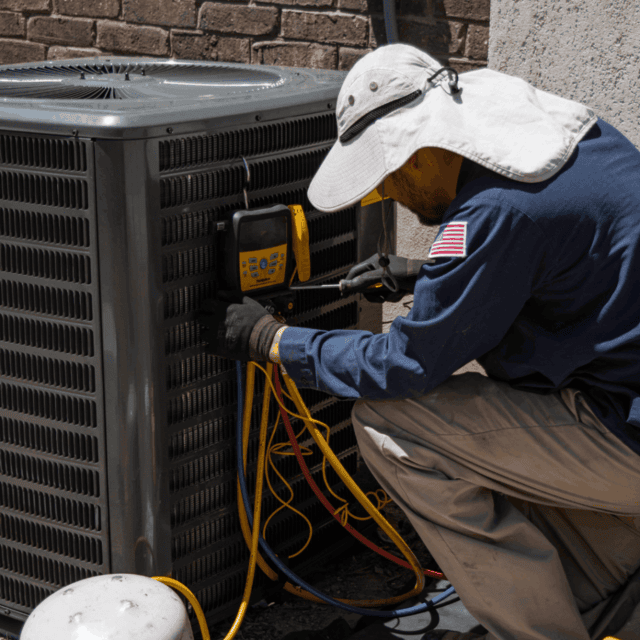
Call Action Plumbing Arizona today to schedule your AC drain line cleaning or HVAC inspection. We will get your system running clean and dry before the Arizona heat takes over.

air conditioner tune upSpring in Arizona means one thing is certain. The heat is coming. And when temperatures climb into the triple digits, your air conditioner becomes your best friend.

But what happens when your AC stops working on the hottest day of the year? Or when your AC is not blowing cold air when you need it most?

The answer is simple. You schedule a spring tune up before summer arrives.

A spring maintenance check can save you from sweaty nights and expensive emergency repairs. It helps your system run better and last longer. Plus, it catches small problems before they become big ones.

Let’s walk through everything you need to know about getting your cooling system ready for Arizona’s brutal summer heat.

Why Spring AC Maintenance Matters in Arizona

Arizona summers are not like other places. When it hits 115 degrees outside, your air conditioner works overtime. It runs longer and harder than AC systems in milder climates.

This extra work takes a toll. Your HVAC unit needs attention before the busy season starts. Think of it like getting your car serviced before a long road trip. You want to catch issues early.

Regular maintenance helps prevent common problems. Your air conditioner not blowing cold air is often a sign of dirty coils or low refrigerant. Your AC not cooling properly might mean blocked airflow or worn parts. These issues are easier and cheaper to fix when caught early.

A well-maintained system also uses less energy. That means lower electric bills during peak summer months. In Arizona, that savings really adds up.

Signs You Need a Professional Air Conditioner Tune Up

Before we get into the checklist, let’s talk about warning signs. Some problems need a pro right away.

Call for AC repair services if you notice these issues:

Your AC is not turning on at all. This could mean electrical problems like a blown fuse or a failed part. Don’t wait on this one.

Your AC unit is not blowing cold air even though it runs. This often points to refrigerant leaks or compressor problems.

You see your AC leaking water inside your home. This means your drain line is clogged or your system is freezing up.

You hear strange noises like grinding, squealing, or banging. These sounds mean parts are experiencing wear and tear or breaking.

Your energy bills suddenly jump without explanation. This suggests your system is working too hard.

If you are asking yourself “why is my ac not blowing cold air,” it is time to search for AC maintenance near me and get help fast.

Your Spring HVAC Tune Up Checklist

Now let’s get into what a proper spring tune up includes. Some tasks you can do yourself. Others need a trained technician.

Here are the tasks you can handle:

Change Your Air Filter

This is the easiest and most important task.

Why it matters:

  • Improves airflow
  • Reduces strain on your system
  • Helps prevent AC not blowing cold air

Best practices:

  • Check monthly during summer
  • Replace every 1–3 months
  • Use a MERV rating between 8 and 11

Clear Debris Around Your Outdoor Unit

Your outside air conditioning unit needs space to breathe.

  • Remove leaves, dirt, and grass clippings
  • Trim plants at least 2 feet away
  • Rinse the unit gently with a garden hose
  • Avoid high-pressure water that can damage fins

Check Your Thermostat

Thermostat check:

  • Set temperature a few degrees lower and confirm AC turns on
  • Replace batteries if needed
  • Consider upgrading to a programmable or smart thermostat
  • Smart thermostats can reduce cooling costs by 10–20%

Inspect Visible Ductwork

What to look for:

  • Gaps or loose connections
  • Visible damage or sagging ducts
  • Seal small gaps using HVAC-approved metal tape

Tasks for Professional Technicians:

air conditioner tune upClean AC Coils Properly

Your AC has two sets of coils. The evaporator coils inside get dusty and reduce cooling power. The condenser coils outside collect dirt and block heat transfer.

Cleaning coils is tricky. You need special cleaners and tools to avoid damage. A professional knows how to clean AC coils safely and thoroughly. This single step can improve your system’s efficiency by 15 percent or more.

Refrigerant Level Check

Low refrigerant is a top cause of AC not cooling problems. But you cannot just add more refrigerant. If levels are low, there is a leak that needs fixing first.

Only licensed technicians can legally handle refrigerant. They have the tools to find leaks and properly recharge your system.

Electrical Component Inspection

Technicians check all electrical connections. They tighten loose wires, test capacitors, and measure voltage. These checks prevent sudden failures and dangerous situations.

They also inspect the contactor and relay switches. These parts wear out over time and can cause your AC to stop working without warning.

Lubricate Moving Parts

Your AC has motors and fans with bearings that need lubrication. Proper lubrication reduces friction and helps parts last longer. This is something professionals do as part of a complete tune up.

Test System Performance

A good technician measures your system’s actual performance. They check airflow, temperature drop, and overall efficiency. This tells them if everything works as it should.

They also check your drain line to prevent water leaks. A clogged drain is one of the most common reasons for AC leaking water inside your home.

How Often Should You Schedule Maintenance?

Most experts recommend professional maintenance twice a year. Schedule one visit in spring before cooling season. Schedule another in fall before heating season.

For Arizona homes, the spring visit is critical. Your cooling system does most of the heavy lifting here. Some homeowners even opt for additional mid-summer checks during particularly harsh years.

What to Expect During a Professional Tune Up

During a professional tune up, technicians will:

  • Inspect indoor and outdoor units
  • Test the system under real operating conditions
  • Identify efficiency or safety issues
  • Provide a written report with recommendations
  • Explain repair options and pricing before work begins

The Cost of Skipping Maintenance

Some people skip spring maintenance to save money. But this almost always costs more in the long run.

Without regular care, small problems grow into big failures. A $150 tune up could prevent a $3,000 compressor replacement.

Poorly maintained systems also waste energy. Your electric bills stay higher all summer long. Over time, this adds up to hundreds of dollars.

And when your system finally fails, it usually happens at the worst time. Emergency repairs cost more than scheduled service. Plus you might go days without AC while waiting for parts.

Making the Most of Your Investment

Your air conditioning system is a major investment. Most systems last 12 to 15 years with proper care. But neglected systems often fail in just 8 to 10 years.

Regular maintenance protects that investment. It keeps your home comfortable. It saves money on energy and repairs. And it gives you peace of mind when temperatures soar.

Get Ahead of the Heat This Year

Don’t wait until your AC stops working to take action. Spring is the perfect time to get ahead of problems.

Start with the simple tasks you can do yourself. Change that filter. Clean around your outdoor unit. Check your thermostat.

Then schedule your professional tune up soon. Before you know it, summer will be here and HVAC companies will be swamped with emergency calls.

Action Plumbing Arizona is here to help keep your home cool and comfortable all summer long. Our experienced technicians provide thorough air conditioner tune ups that catch problems early and keep your system running strong.

We serve Arizona homeowners with honest service, fair pricing, and same day appointments when you need help fast. Contact Action Plumbing Arizona today to schedule your spring AC maintenance and beat the heat with confidence.

Select Your Location