
Well pump repair

Having a well can be a great way to get clean water for your home. But sometimes, things can go wrong with your well or pump. Knowing how to handle well pump repair and home well maintenance can save you a lot of stress and money. In this guide, we’ll cover everything you need to know about well and pump repair. Let’s dive in!

Understanding Your Well System

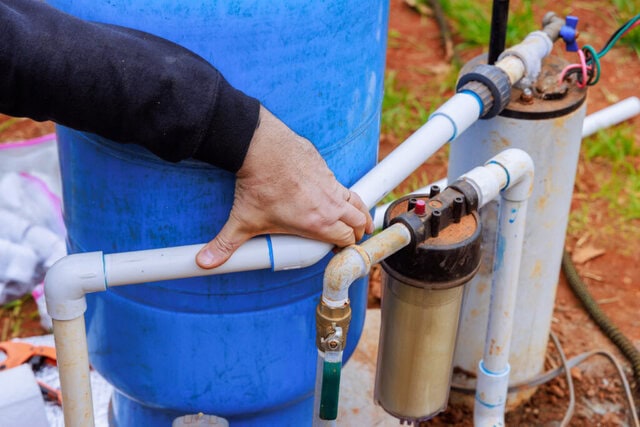
Before we get into well pump repair, it’s important to understand how your well system works. Your well system consists of several parts, including the well, the pump, and the pressure tank. These parts work together to bring water from the ground to your home.

  1. The Well: This is the hole drilled into the ground to access groundwater.
  2. The Pump: This device moves water from the well to your home. There are two main types of pumps: jet pumps and submersible pumps.
  3. The Pressure Tank: This tank stores water and keeps the pressure consistent in your plumbing system.

Common Well Problems

Even with regular home well maintenance, problems can still occur. Here are some common well problems you might face:

  1. No Water: This is one of the most obvious signs of a problem. It could be due to a power outage, a tripped circuit breaker, or a malfunctioning pump.
  2. Low Water Pressure: This can be caused by a clogged filter, a leak in the system, or a problem with the pressure tank.
  3. Dirty Water: If your water looks dirty, it could be a sign of sediment buildup in the well.
  4. Strange Noises: Loud or unusual noises coming from your well pump can indicate a problem with the pump or the pressure tank.
  5. Water Pump Issues: Various issues can affect your water pump, from wear and tear to electrical problems.

Well Pump Troubleshooting

When you face water pump issues, the first step is to troubleshoot the problem. Here are some well pump troubleshooting tips:

  1. Check the Power: Make sure the pump is getting power. Check the circuit breaker and any fuses that might be related to the well pump.
  2. Inspect the Pressure Switch: The pressure switch controls the pump. If it’s faulty, it could cause the pump to stop working. You can test it with a multimeter to see if it’s working properly.
  3. Look for Leaks: Inspect the pipes and connections for any signs of leaks. Leaks can reduce water pressure and cause the pump to run continuously.
  4. Clean or Replace the Filter: A clogged filter can reduce water flow. Clean or replace it to see if that solves the problem.
  5. Check the Pressure Gauge: The pressure gauge can help you determine if there is a problem with the pressure tank or the pump system.

DIY Well Repair Tips

Some well pump repairs can be done on your own. Here are some DIY well repair tips:

  1. Replacing the Pressure Switch: If your pressure switch is faulty, you can replace it yourself. Turn off the power to the pump, remove the old switch, and install the new one. Make sure to follow the manufacturer’s instructions.
  2. Cleaning the Pressure Tank: Sediment can build up in the pressure tank over time. You can drain and clean the tank to remove any sediment.
  3. Checking the Air Charge: The pressure tank needs the right amount of air to function properly. Use a tire gauge to check the air charge and adjust it if necessary.
  4. Flushing the System: If your water looks dirty, you can flush the system to remove any sediment. Open all the faucets in your home and let the water run until it clears up.
  5. Monitoring the Water Level: Keep an eye on your water level. If it drops significantly, it could indicate a problem with the well or the pump system.

When to Call a Professional

While some repairs can be done on your own, there are times when you need to call a professional. Here are some signs that you need professional well repair:

  1. No Water: If you have no water and can’t figure out the problem, it’s time to call a professional.
  2. Constantly Running Pump: If your pump runs all the time, it could be a sign of a serious problem. A professional can diagnose and fix the issue.
  3. Low Water Pressure: If you’ve tried everything and still have low water pressure, a professional can help identify the cause.
  4. Dirty Water: If your water remains dirty after flushing the system, it could be a sign of a more serious problem that needs professional attention.
  5. Pump Failures: Frequent pump failures might require a more thorough inspection and possible pump replacement.

The Importance of Regular Home Well Maintenance

Regular home well maintenance is crucial to keep your well system running smoothly. Here are some water system maintenance tips:

  1. Annual Inspections: Have your well system inspected by a professional at least once a year. This can help identify and fix problems before they become serious.
  2. Regular Testing: Test your water regularly for contaminants. This ensures that your drinking water is safe.
  3. Clean the Area Around the Well: Keep the area around your well clean and free of debris. This prevents contaminants from entering the well.
  4. Monitor Water Levels: Keep an eye on your water levels. If you notice a drop in water levels, it could be a sign of a problem.
  5. Use Water Softeners: If your water is hard, consider using water softeners to prevent scale buildup in your pipes and well system.

Professional Well and Pump Services

When it comes to well and pump services, it’s important to choose a reliable company. Professional well repair services can handle everything from routine maintenance to emergency repairs. Here are some services they offer:

  1. Well Pump Repair: Whether it’s a minor repair or a complete pump replacement, professionals can handle it all.
  2. Well System Repair: This includes fixing leaks, replacing pipes, and repairing the pressure tank.
  3. Water System Maintenance: Regular maintenance services to keep your well system in top condition.
  4. Emergency Services: If you have an urgent problem, many companies offer 24/7 emergency services.
  5. Water Treatment Systems: Professionals can install and maintain water treatment systems to ensure your water supply is clean and safe.

Choosing the Right Well and Pump Services

When selecting a well and pump service, consider the following:

  1. Experience: Choose a company with a proven track record in well pump repair and water system maintenance.
  2. Reputation: Look for reviews and testimonials from other homeowners. A good reputation is a sign of quality service.
  3. Licensing and Insurance: Make sure the company is licensed and insured. This protects you in case of any accidents or damage.
  4. Availability: Choose a company that offers emergency services. This ensures you can get help when you need it most.

Conclusion

Understanding well and pump repair is crucial for every homeowner with a well system. Regular home well maintenance, well pump troubleshooting, and knowing when to call a professional can save you time and money. By following the tips in this guide, you can ensure your well system stays in top condition.

If you need professional well repair services, contact Action Plumbing Heating Air & Electric. We offer comprehensive well and pump services to keep your home’s water system running smoothly. Visit our website at Action Plumbing Heating Air & Electric. We’re here to help with all your well pump repair and home well maintenance needs!


Sewer camera inspection

Taking care of your home involves more than just keeping it clean and tidy. One important but often overlooked part of home maintenance is checking your sewer system. Regular sewer inspections, especially using a sewer camera inspection, can save you a lot of trouble and money in the long run. Let’s explore why these inspections are so important and how they can help keep your home in top shape.

What Is a Sewer Camera Inspection?

A sewer camera inspection involves using a special camera to look inside your sewer lines. This camera is attached to a long, flexible rod that can go deep into the pipes. It sends live video footage to a monitor, allowing plumbers to see the inside of the pipes clearly. This helps them spot any problems that might be hidden from view. A plumbing camera inspection is a powerful tool in modern home maintenance.

Why Are Regular Sewer Inspections Important?

Regular sewer inspections are crucial for several reasons:

  1. Prevent Sewer Issues: Catching problems early can prevent them from becoming bigger and more expensive to fix. Regular sewer inspections help identify issues before they cause major damage.
  2. Home Sewer Maintenance: Just like you need to change the oil in your car, your home sewer system needs regular checkups. This helps keep everything running smoothly.
  3. Sewer Line Problems: Cracks, clogs, and tree roots can cause serious sewer line problems. A plumbing camera inspection can find these issues early, saving you from costly repairs.
  4. Professional Sewer Inspection: A professional sewer inspection by a trained plumber ensures that any problems are accurately identified and addressed.

Benefits of Sewer Camera Inspections

Using a sewer camera for inspections offers many benefits:

  1. Accurate Diagnosis: The camera provides a clear view of the inside of the pipes, allowing for an accurate diagnosis of any issues. This means plumbers can find and fix problems quickly. These sewer camera benefits are essential for effective home maintenance.
  2. Non-Invasive: Unlike traditional methods, a sewer camera inspection doesn’t require digging up your yard. The camera goes directly into the pipes, making the process much less disruptive.
  3. Preventative Maintenance: Regular sewer inspections can help prevent sewer issues before they start. This can save you a lot of money on repairs and keep your home running smoothly. These sewer camera benefits are crucial for maintaining your plumbing system.
  4. Peace of Mind: Knowing that your sewer system is in good shape can give you peace of mind. Regular inspections ensure that you’re aware of any potential problems and can address them promptly. The sewer camera benefits make it easier to maintain a healthy and functioning home environment.

Common Sewer Line Problems

Sewer lines can face several common problems. Here are a few that a sewer camera inspection can help identify:

  1. Clogs: Grease, hair, and other debris can build up and cause clogs. A sewer camera inspection can find these clogs before they cause backups.
  2. Cracks and Leaks: Over time, pipes can crack or develop leaks. Regular sewer inspections help spot these issues early.
  3. Tree Roots: Tree roots can grow into sewer lines, causing blockages and damage. A plumbing camera inspection can identify root intrusions before they cause serious problems.
  4. Corrosion: Older pipes can corrode and weaken. A sewer camera inspection can reveal signs of corrosion and help you decide when it’s time to replace the pipes.

How Often Should You Have a Sewer Camera Inspection?

Regular sewer inspections are important, but how often should you have them done? Here are some general guidelines:

  1. Annual Inspections: For most homes, an annual sewer camera inspection is recommended. This helps catch any problems early and ensures your sewer system is in good shape. An annual sewer system checkup can make a huge difference in maintaining your home.
  2. Older Homes: If you have an older home, you might need inspections more frequently. Older pipes are more prone to issues, so regular checkups are crucial. Regular sewer system checkups in older homes can prevent costly repairs.
  3. After Major Repairs: If you’ve had major repairs done on your sewer system, a follow-up inspection is a good idea. This ensures that the repairs were successful and that no new issues have arisen.
  4. Before Buying a Home: If you’re buying a new home, a sewer camera inspection can reveal any hidden problems. This can save you from unexpected repair costs down the line. A pre-purchase sewer system checkup is a wise investment.

Steps of a Sewer Camera Inspection

Here’s what you can expect during a sewer camera inspection:

  1. Initial Assessment: The plumber will start with an initial assessment of your sewer system. This helps them understand any existing issues and determine the best approach for the inspection.
  2. Camera Insertion: The sewer camera is inserted into the sewer line through an access point, such as a cleanout or a drain. The camera is attached to a flexible rod that can navigate through the pipes.
  3. Live Video Feed: As the camera moves through the sewer line, it sends live video footage to a monitor. The plumber watches the footage in real-time, looking for any signs of problems.
  4. Identifying Issues: The plumber will look for clogs, cracks, tree roots, and other issues. They can pause the camera and take snapshots of any problem areas for further analysis.
  5. Detailed Report: After the inspection, the plumber will provide you with a detailed report of their findings. This report will include video footage and images of any issues, along with recommendations for repairs.

DIY vs. Professional Sewer Inspections

While there are DIY sewer camera inspection kits available, it’s usually best to hire a professional. Here’s why:

  1. Expertise: Professional plumbers have the training and experience to accurately diagnose and fix sewer line problems. They can spot issues that you might miss. A professional sewer line inspection ensures thorough and accurate results.
  2. Advanced Equipment: Professionals use high-quality sewer cameras that provide clear, detailed footage. DIY kits might not offer the same level of clarity.
  3. Safety: Working with sewer lines can be hazardous. Professional plumbers know how to handle the inspection safely and effectively.
  4. Comprehensive Service: A professional sewer inspection includes a detailed report and recommendations for repairs. This ensures that you have all the information you need to make informed decisions.

Maintaining Your Sewer System

Regular sewer camera inspections are a crucial part of home sewer maintenance. Here are some additional tips to keep your sewer system in top shape:

  1. Avoid Flushing Non-Flushables: Don’t flush items like wipes, paper towels, or feminine hygiene products. These can cause clogs and damage your sewer system.
  2. Dispose of Grease Properly: Pouring grease down the drain can lead to clogs. Instead, let it cool and dispose of it in the trash.
  3. Use Drain Screens: Place screens over drains to catch hair and debris. This can prevent clogs and keep your sewer lines clear.
  4. Regular Cleaning: Clean your drains regularly with a mixture of baking soda and vinegar. This can help prevent buildup and keep your sewer system running smoothly.
  5. Watch for Warning Signs: Be on the lookout for signs of sewer line problems, such as slow drains, foul odors, or gurgling sounds. If you notice any of these issues, schedule a sewer camera inspection right away. Regular sewer system checkups are essential for early detection of problems.

Conclusion

Regular sewer camera inspections are essential for maintaining your home’s plumbing system. They help prevent sewer issues, identify problems early, and ensure your sewer lines are in good shape. By investing in regular inspections, you can save money on repairs and enjoy peace of mind knowing that your home’s sewer system is well-maintained. The benefits of sewer camera inspections are clear and impactful for long-term home maintenance.

If you need a professional sewer inspection, contact Action Plumbing Heating Air & Electric. We offer comprehensive sewer camera inspections and other plumbing services to keep your home in top condition. Visit our website at Action Plumbing Heating Air & Electric. We’re here to help with all your plumbing needs!

With these tips and regular sewer inspections, you can keep your home’s plumbing system running smoothly and avoid costly repairs. Don’t wait for a problem to arise—schedule your sewer camera inspection today! The sewer camera benefits and regular sewer system checkups will protect your home and save you money in the long run.

Plumber handling common drain problems

Handling Drain and Sewer Problems

Dealing with drain and sewer problems can be a real headache. But don’t worry! With the right tips and tricks, you can handle many of these issues on your own. This guide will help you understand common drain problems, sewer issues, and how to fix them. Let’s dive in!

Common Drain Problems

Drains are a crucial part of your home plumbing system. They carry water and waste away from your sinks, showers, and toilets. But sometimes, they can get clogged or blocked. Here are some common drain problems and how to handle them:

  1. Clogged Sink Drains: This happens when food scraps, grease, and other debris build up in the pipes. You can fix this with a plunger or a drain snake. For stubborn clogs, a drain cleaning solution might be needed. Avoid using chemical drain cleaners as they can damage your pipes.
  2. Slow Draining Tubs and Showers: Hair and soap scum are the usual culprits. Try using a drain cover to catch hair and regularly clean the shower drain with a mixture of baking soda and vinegar.
  3. Toilet Blockages: These can be caused by too much toilet paper or items that shouldn’t be flushed. A plunger is your best friend here. If that doesn’t work, a toilet auger can help. Regular maintenance can prevent toilet blockage fixes.
  4. Smelly Drains: This can be due to trapped food particles or grease. Regular cleaning with baking soda and vinegar can help keep smells at bay.

Sewer Issues

Sewer issues can be more serious than common drain problems. Here are some typical sewer issues and how to deal with them:

  1. Sewer Line Problems: Tree roots, shifting soil, and old pipes can cause sewer line problems. Signs include slow drains, gurgling sounds, and bad smells. A sewer camera inspection by professional sewage services can pinpoint the issue.
  2. Sewage Backups: This is when wastewater flows back into your home. It’s usually caused by a blockage in the sewer line. You’ll need professional help to clear the blockage and clean up any mess.
  3. Broken or Collapsed Sewer Lines: Older homes with clay or cast iron pipes are more prone to this issue. A sewer camera inspection can help detect the problem. Depending on the extent of the damage, the solution might involve replacing a section of the sewer line.

Drain and Sewer Solutions

Now that you know the common drain problems and sewer issues, let’s talk about the solutions.

  1. Drain Cleaning Tips: Regular cleaning can prevent many problems. Use a drain cover to catch hair and debris. Clean your drains monthly with baking soda and vinegar. For tougher clogs, a drain snake or a plunger can help. Avoid using chemical drain cleaners as they can damage your pipes.
  2. Toilet Blockage Fixes: Always use a plunger first. If that doesn’t work, try a toilet auger. Avoid flushing items that shouldn’t go down the toilet, like wipes or sanitary products. Regular maintenance can prevent the need for frequent toilet blockage fixes.
  3. Sewer Camera Inspection: This is a non-invasive way to check the condition of your sewer lines. A small camera is inserted into the sewer pipe to look for blockages, cracks, or other issues. It’s a good idea to have this done if you notice any signs of sewer problems.
  4. Professional Sewage Services: For serious issues like sewer backups or broken sewer lines, you’ll need professional help. They have the tools and expertise to fix the problem quickly and safely.
  5. DIY Drain Repair: Sometimes, you can fix minor drain problems yourself. Here are some DIY drain repair tips:
    • Unclogging a Sink Drain: First, remove any standing water. Use a plunger to try to dislodge the clog. If that doesn’t work, use a drain snake. Insert it into the drain and twist it to break up the clog. Pull out the snake and flush the drain with hot water.
    • Fixing a Slow Draining Shower: Remove the drain cover and clean out any hair or debris. Pour a mixture of a cup of baking soda and a cup of vinegar down the drain, followed by hot water. If the problem persists, use a drain snake.
    • Clearing a Toilet Blockage: Use a plunger to try to clear the blockage. If that doesn’t work, use a toilet auger. Insert the auger into the toilet and twist it to break up the clog. Pull out the auger and flush the toilet.

Home Plumbing Problems

Drains and sewers are just part of your home’s plumbing system. Here are some other common home plumbing problems and how to fix them:

  1. Leaky Faucets: This is usually caused by a worn-out washer. Turn off the water supply, disassemble the faucet, and replace the washer. Reassemble the faucet and turn the water back on.
  2. Running Toilets: This can be caused by a faulty flapper or fill valve. Turn off the water supply, remove the tank lid, and inspect the flapper and fill valve. Replace any worn or damaged parts.
  3. Low Water Pressure: This can be caused by mineral buildup in the pipes or a faulty pressure regulator. Try cleaning the faucet aerators and showerheads. If the problem persists, you may need to call a professional.

Fun Facts about Plumbing

Let’s take a break from the serious stuff and look at some fun facts about plumbing!

  1. The First Plumbers: The word “plumber” comes from the Latin word “plumbum,” which means lead. Ancient Romans used lead pipes to transport water.
  2. Toilets and Thrones: The first flushing toilet was invented in 1596 by Sir John Harrington. He was a godson of Queen Elizabeth I, who called his invention a “necessary.”
  3. Water Usage: The average person uses about 80-100 gallons of water per day. Most of this water is used for flushing toilets and taking showers.
  4. Pipe Dreams: The longest plumbing pipe in the world is over 1,500 miles long. It runs from the Missouri River to the Colorado River.

Professional Help

While DIY repairs can be fun and save you money, sometimes you need professional help. Here’s when to call a professional:

  1. Persistent Clogs: If you’ve tried everything and the clog won’t budge, it’s time to call a pro.
  2. Sewer Issues: Sewer line problems and backups require professional sewage services. They have the tools and expertise to fix the problem safely.
  3. Water Damage: If you notice water damage around your home, it could be a sign of a serious plumbing issue. Call a professional to inspect and repair the problem.
  4. Major Repairs: For major plumbing repairs like replacing a sewer line or installing new pipes, always call a professional.

Maintaining Your Plumbing

Regular maintenance can prevent many plumbing problems. Here are some tips to keep your plumbing in top shape:

  1. Regular Inspections: Have your plumbing inspected regularly by a professional. They can catch small problems before they become big ones.
  2. Clean Your Drains: Regularly clean your drains with baking soda and vinegar. This can prevent clogs and keep your drains smelling fresh.
  3. Check for Leaks: Periodically check your faucets, toilets, and pipes for leaks. Fix any leaks promptly to prevent water damage.
  4. Use Drain Covers: Use drain covers to catch hair and debris. This can prevent clogs and keep your drains flowing smoothly.

Conclusion

Handling common drain problems and sewer issues doesn’t have to be a headache. With the right tips and tricks, you can tackle many of these problems on your own. Remember to clean your drains regularly, use a plunger for clogs, and call a professional for serious issues. By taking care of your plumbing, you can keep your home or business running smoothly and avoid costly repairs.

If you need professional help, don’t hesitate to contact Action Plumbing Heating Air & Electric. We offer professional sewage services, sewer camera inspection, and more. Visit our website at Action Plumbing Heating Air & Electric. We’re here to help with all your plumbing needs!

With these tips, you can handle common drain and sewer problems like a pro. Happy plumbing!

Upbeat worker doing plumbing maintenance

Regular plumbing maintenance is crucial for maintaining a healthy and efficient home. By investing in plumbing preventive maintenance, you can avoid costly repairs, ensure the longevity of your plumbing system, and enjoy peace of mind. In this blog, we will explore the numerous plumbing maintenance benefits and why regular plumbing checks are essential for your home. Discover how routine plumbing maintenance can enhance your plumbing system efficiency and prevent plumbing issues before they become major problems.

1. Prevent Costly Repairs

One of the primary plumbing maintenance benefits is the ability to prevent costly repairs. Regular plumbing checks allow you to identify and address minor issues before they escalate into major problems. By scheduling routine plumbing maintenance, you can catch leaks, clogs, and other issues early, saving you time and money in the long run. This proactive approach helps prevent plumbing issues from causing severe damage to your home.

Plumbing Preventive Maintenance Tips:

  • Schedule regular plumbing inspections to catch potential problems early.
  • Fix small leaks promptly to prevent water damage and high repair costs.
  • Keep an eye out for signs of plumbing issues, such as slow drains or unusual noises, to prevent plumbing issues from worsening.

2. Enhance Plumbing System Efficiency

Regular plumbing maintenance is essential for maintaining the efficiency of your plumbing system. Over time, pipes can become clogged with debris, reducing water flow and increasing the strain on your system. Routine plumbing maintenance ensures that your pipes are clean and free from obstructions, improving water flow and reducing energy consumption. This helps prevent plumbing issues related to blockages and inefficient water usage.

Plumbing System Efficiency Tips:

  • Use plumbing inspection services to identify and remove blockages.
  • Clean drains regularly to prevent clogs and maintain optimal water flow.
  • Replace old fixtures with water-efficient models to reduce water usage and prevent plumbing issues.

3. Increase the Longevity of Your Plumbing System

Home plumbing upkeep through regular plumbing checks can significantly extend the lifespan of your plumbing system. By addressing minor issues and performing routine maintenance, you can prevent wear and tear on your pipes and fixtures, ensuring they last longer. This is one of the key ways to prevent plumbing issues from shortening the life of your plumbing system.

Plumbing Preventive Maintenance Tips:

  • Schedule routine plumbing maintenance to keep your system in top condition.
  • Use quality plumbing materials and fixtures to reduce wear and tear.
  • Regularly inspect pipes for signs of corrosion or damage to prevent plumbing issues from escalating.

4. Ensure Health and Safety

Plumbing maintenance benefits include improved health and safety for your home. Leaky pipes and standing water can lead to mold growth and other health hazards. Regular plumbing maintenance helps prevent these issues, ensuring a safe and healthy living environment. By staying proactive, you can prevent plumbing issues that may compromise your health and safety.

Plumbing Inspection Services Tips:

  • Regularly inspect for leaks to prevent mold and mildew growth.
  • Ensure that your water heater is functioning properly to avoid potential safety hazards.
  • Use professional plumbing inspection services to identify and address any health risks.

5. Improve Water Quality

Regular plumbing maintenance can also enhance the quality of your water. Over time, pipes can accumulate rust, sediment, and other contaminants that affect water quality. Routine plumbing maintenance helps keep your pipes clean, ensuring that you have access to clean and safe water. By maintaining clean pipes, you can prevent plumbing issues that degrade water quality.

Home Plumbing Upkeep Tips:

  • Flush your water heater regularly to remove sediment buildup.
  • Use plumbing inspection services to check for rust and contaminants in your pipes.
  • Install water filtration systems to improve water quality and prevent plumbing issues related to contaminants.

6. Prevent Plumbing Issues

Preventing plumbing issues is one of the most significant plumbing maintenance benefits. By performing routine checks and maintenance, you can identify potential problems and address them before they cause significant damage. Regular maintenance is essential to prevent plumbing issues that can lead to costly repairs and disruptions.

Plumbing Preventive Maintenance Tips:

  • Schedule regular plumbing checks to identify and fix issues early.
  • Educate your family on proper plumbing usage to prevent common problems.
  • Use routine plumbing maintenance to keep your system running smoothly and prevent plumbing issues from occurring.

7. Save Money on Utilities

Routine plumbing maintenance can help you save money on your utility bills. Efficient plumbing systems use less water and energy, reducing your overall consumption and lowering your bills. By maintaining an efficient system, you can prevent plumbing issues that result in higher utility costs.

Plumbing System Efficiency Tips:

  • Replace old fixtures with energy-efficient models to reduce water and energy usage.
  • Regularly check for leaks and fix them promptly to prevent water waste.
  • Use professional plumbing inspection services to ensure your system is operating efficiently and to prevent plumbing issues that lead to waste.

8. Peace of Mind

Knowing that your plumbing system is in good condition provides peace of mind. Regular plumbing maintenance ensures that your home is protected from potential plumbing issues, allowing you to enjoy your living space without worry. Prevent plumbing issues by staying proactive with your maintenance routine.

Home Plumbing Upkeep Tips:

  • Schedule routine plumbing maintenance to keep your system in top condition.
  • Use plumbing inspection services to identify and address potential problems.
  • Invest in plumbing preventive maintenance for long-term peace of mind and to prevent plumbing issues.

9. Protect Your Investment

Your home is a significant investment, and regular plumbing maintenance is crucial for protecting that investment. By ensuring proper plumbing system care, you can avoid costly repairs that can decrease the value of your property. Routine maintenance helps maintain the integrity of your home’s plumbing, safeguarding your investment for the long term. Prevent plumbing issues by being diligent with maintenance.

Plumbing System Care Tips:

  • Regularly inspect and maintain plumbing fixtures to avoid major repairs.
  • Use high-quality plumbing materials to ensure durability and longevity.
  • Schedule professional plumbing inspection services to keep your system in optimal condition and prevent plumbing issues.

10. Enhance Home Comfort

A well-maintained plumbing system contributes to the overall comfort of your home. Proper plumbing system care ensures that you have reliable access to clean water and efficient waste removal, enhancing your daily living experience. Regular maintenance helps prevent disruptions and ensures that your plumbing system operates smoothly. Prevent plumbing issues by ensuring your system is well-maintained.

Plumbing System Care Tips:

  • Regularly clean and maintain drains to prevent clogs and backups.
  • Inspect water heaters and other plumbing appliances to ensure they are functioning correctly.
  • Use professional plumbing services for routine maintenance and inspections to prevent plumbing issues.

Conclusion

Regular plumbing maintenance is essential for maintaining a healthy and efficient home. By investing in plumbing preventive maintenance, you can enjoy numerous benefits, including preventing costly repairs, enhancing plumbing system efficiency, and ensuring the longevity of your plumbing system. Routine plumbing maintenance and regular plumbing checks are crucial for preventing plumbing issues and maintaining a safe and healthy living environment.

Key Takeaways:

  • Prevent costly repairs with regular plumbing checks.
  • Enhance plumbing system efficiency with routine maintenance.
  • Increase the longevity of your plumbing system with proper upkeep.
  • Ensure health and safety with regular plumbing inspections.
  • Improve water quality with home plumbing upkeep.
  • Prevent plumbing issues with proactive maintenance.
  • Save money on utilities with an efficient plumbing system.
  • Enjoy peace of mind with reliable plumbing preventive maintenance.
  • Protect your investment with proper plumbing system care.
  • Enhance home comfort with a well-maintained plumbing system.

Investing in regular plumbing maintenance is a smart decision for any homeowner. By prioritizing plumbing system care and using professional plumbing inspection services, you can protect your home, save money, and ensure the long-term reliability of your plumbing system. Regular plumbing maintenance, along with plumbing preventive maintenance, is the key to a well-functioning and efficient home.

Additional Benefits of Plumbing Preventive Maintenance

Investing in plumbing preventive maintenance and understanding the plumbing maintenance benefits can greatly improve your home’s overall condition and efficiency. Here are additional advantages:

  • Avoid Emergency Repairs:

    Routine plumbing checks and preventive maintenance reduce the likelihood of unexpected plumbing emergencies.

  • Optimal Performance:

    Ensuring that your plumbing system is well-maintained guarantees its optimal performance, which is crucial for daily activities.

  • Environmentally Friendly:

    Regular maintenance helps detect and fix leaks, contributing to water conservation and promoting environmental sustainability.

By incorporating these practices into your regular home maintenance routine, you can maximize the plumbing maintenance benefits and enjoy a safe, efficient, and comfortable living environment.

Home Plumbing Upkeep:

  • Stay proactive with regular inspections and maintenance to ensure your plumbing system is always in top condition.
  • Educate your family members on the importance of proper plumbing usage and maintenance to prevent common issues.
  • Implement a schedule for routine checks and professional inspections to keep your plumbing system running efficiently and prevent plumbing issues.

By focusing on home plumbing upkeep, you can ensure that your plumbing system remains reliable and efficient, providing you with peace of mind and a comfortable living environment. Regular plumbing maintenance, combined with home plumbing upkeep and plumbing preventive maintenance, will help you achieve the best results for your home’s plumbing system. Prevent plumbing issues by maintaining a consistent schedule for inspections and maintenance.

Contact Action Plumbing Today!

At Action Plumbing, Heating, Air & Electric, we’re your one-stop shop for all plumbing needs.

Call us today at (801) 255-3343 or visit our website to schedule a free inspection.

Stubborn toilet blockage

Toilet blockages are no fun. They can be messy and frustrating. But don’t worry! You can often fix a stubborn toilet blockage on your own. Here are some easy and fun tips for DIY toilet unclogging and when to call a professional plumber for help.

Understanding a Stubborn Toilet Blockage

A stubborn toilet blockage can happen for many reasons. Sometimes too much toilet paper gets stuck. Other times, objects like toys or wipes cause the problem. Knowing the cause can help you find the right toilet clog solutions.

DIY Toilet Unclogging Tips

Let’s start with some simple DIY toilet unclogging tips.

1. Use a Toilet Plunger

  • Toilet Plunger Tips: A plunger is your best friend for fixing a stubborn toilet blockage. Place the plunger over the hole in the toilet bowl. Push down and pull up gently at first. Then, do it more forcefully. Repeat this several times.
  • Unclogging Tips: Make sure there is enough water in the bowl to cover the plunger. This creates a better seal and helps push the blockage through.

2. Hot Water and Dish Soap

  • Home Toilet Repair: Pour a bit of dish soap into the toilet bowl. Then, add hot (not boiling) water. Let it sit for a few minutes. This can help break up the blockage.
  • Toilet Clog Solutions: The hot water and soap act as a lubricant, making it easier to push the blockage through.

3. Baking Soda and Vinegar

  • DIY Toilet Unclogging: Mix baking soda and cups of vinegar in a cup. Pour the mixture into the toilet. Let it fizz and sit for about 30 minutes. Then, try flushing the toilet.
  • Unclogging Tips: This natural solution can help dissolve the blockage and is safe for your pipes. The chemical reaction can help break down the clog.

4. Toilet Without a Plunger

  • Home Toilet Repair: If you don’t have a plunger, you can still fix a toilet blockage. Use hot water, dish soap, and patience. Pour hot water from waist height into the bowl to create water pressure. Repeat until the clog clears.
  • Toilet Clog Solutions: This method works well for minor clogs.

When to Call a Professional Plumber

Sometimes, a blockage is too tough to handle on your own. Here’s when you should seek professional plumber help.

1. Persistent Blockages

  • Plumbing Emergency: If your toilet keeps getting blocked, it might be a sign of a bigger problem. A professional plumber can find the cause and fix it.
  • Drain Clogs: Persistent drain clogs may indicate tree roots or other serious issues.

2. Water Backing Up

  • Sewer Blockage Repair: If water backs up in other drains when you flush the toilet, you might have a sewer blockage. This is a job for a pro.
  • Licensed Plumber: A licensed plumber has the tools and knowledge to fix this problem.

3. Strange Noises

  • Professional Plumber Help: Gurgling sounds from your toilet or drains can indicate a blockage deeper in the pipes. A plumber has the tools to fix this.
  • Plumbing Snake: Plumbers use a plumbing snake to reach deep into pipes and clear blockages.

Preventing Future Blockages

Now that you know how to handle a blockage, let’s look at ways to prevent them.

1. Watch What You Flush

  • Home Toilet Repair: Only flush toilet paper and human waste. Avoid flushing wipes, toys, or other objects.
  • Toilet Clog Solutions: Keeping foreign objects out of the toilet can prevent many blockages.

2. Regular Maintenance

  • DIY Toilet Unclogging: Regularly check your toilet for any signs of trouble. Catching a problem early can save you a lot of hassle.
  • Unclogging Tips: A little maintenance goes a long way in preventing blockages.

3. Use a Toilet Auger

  • Toilet Auger: A toilet auger can help remove stubborn clogs that a plunger can’t fix. Insert the auger into the toilet bowl and twist it to break up the blockage.
  • Toilet Snaking: This method, also known as toilet snaking, is effective for tough clogs.

Fun Facts About Toilet Plungers

Did you know there are different types of plungers? Here are some fun facts:

  • Toilet Plunger Tips: The standard plunger with a flat bottom works best for sinks. For toilets, use a flange plunger. It has an extra flap to create a better seal.
  • DIY Toilet Unclogging: Keep a dedicated toilet plunger in your bathroom. This ensures you always have the right tool on hand.

When DIY Doesn’t Work

Even with the best unclogging tips, sometimes DIY methods just don’t work. Don’t feel bad! Blockages can be tricky. That’s when professional plumber help becomes essential.

1. High-Pressure Water Jets

  • Plumbing Emergency: Plumbers use special tools like high-pressure water jets to clear stubborn blockages. This method is powerful and effective.
  • Sewer Blockage Repair: It can also clean the pipes, preventing future clogs.

2. Plumbing Snakes

  • Home Toilet Repair: Another tool plumbers use is the plumbing snake. It’s a long, flexible tool that can reach deep into pipes.
  • Toilet Clog Solutions: This helps remove blockages that are out of reach for plungers.

The Importance of a Healthy Toilet System

A well-functioning toilet system is crucial for any home. It ensures comfort and hygiene. Regular maintenance and knowing how to handle blockages can keep your system in top shape.

1. Avoiding a Plumbing Emergency

  • Professional Plumber Help: Regular check-ups by a plumber can catch small issues before they become big problems.
  • Sewer Blockage Repair: This proactive approach saves you time and money in the long run.

2. Peace of Mind

  • Unclogging Tips: Knowing you can handle minor blockages gives you peace of mind.
  • Toilet Clog Solutions: And knowing when to call a pro ensures you’re never stuck with a serious problem.

Key Takeaways

  • A stubborn toilet blockage can often be fixed with simple DIY toilet unclogging methods.
  • Use toilet plunger tips and household items like dish soap or baking soda and cups of vinegar.
  • Know when to seek professional plumber help for persistent or severe blockages.
  • Regular maintenance and smart flushing habits can prevent future blockages.

Conclusion

Dealing with a stubborn toilet blockage doesn’t have to be stressful. With the right unclogging tips and toilet clog solutions, you can handle most issues on your own. But don’t hesitate to call a professional plumber if needed. They can provide expert home toilet repair and ensure your system is in top shape.

For more information, visit Action Plumbing Heating Air & Electric.

Water systems plumbing art

Ensuring your home’s water systems plumbing is in top condition is crucial for maintaining a comfortable living environment. Often, minor issues can escalate into major problems if left unchecked. At Action Plumbing, we are experts in all things plumbing! Follow along to learn more about how to keep your plumbing in best shape.

Here are the top 5 signs that indicate your water systems plumbing needs professional attention:

1. Slow Draining or Clogged Fixtures

One of the most common signs of plumbing problems is slow draining or frequently clogged fixtures. Whether it’s a sink that takes forever to empty or a shower drain that backs up regularly, these issues point to potential blockages in your pipes. Professional plumbing help can diagnose and resolve these issues efficiently. Slow drains are not just an inconvenience; they are a plumbing warning sign that indicates a deeper issue within your plumbing system.

When you encounter slow draining or clogged fixtures, it’s essential to seek expert plumbing advice. Ignoring these water system issues can lead to more severe blockages and potential pipe damage. Regular plumbing system maintenance and inspections are necessary to keep your drains flowing smoothly. If you notice any of these signs of plumbing problems, schedule a home plumbing check with our team to ensure everything is in order.

2. Low Water Pressure

Have you noticed a decrease in water pressure throughout your home? This could be due to several water system issues such as mineral buildup in pipes, leaks, or even problems with the municipal water supply. A plumbing inspection by experts can identify the root cause and recommend appropriate plumbing repair services to restore optimal water pressure. Low water pressure is not just frustrating; it is a plumbing warning sign that requires immediate attention.

Low water pressure can affect your daily routines, from showering to washing dishes. It might indicate that your water systems plumbing needs professional attention. Regular plumbing system maintenance can prevent these issues. If you suspect low water pressure is affecting your home, contact us for a thorough plumbing inspection needed to identify and fix the problem. Our professional plumbing help ensures that your water pressure returns to normal, providing you with a comfortable living environment.

3. Persistent Dripping Faucets

A dripping faucet not only wastes water but also indicates underlying plumbing system maintenance issues. The constant drip is often a sign that internal components are worn out or damaged. Ignoring it can lead to higher water bills and potential damage to your fixtures. Expert plumbing advice can help you resolve this issue promptly. Dripping faucets are clear signs of plumbing problems that should not be overlooked.

Dripping faucets are more than just an annoyance—they’re a signal that your water systems plumbing needs professional attention. These water system issues can lead to significant water wastage over time. Regular home plumbing checks and timely plumbing repair services can prevent such problems. If you notice a persistent drip, seek professional plumbing help to fix it and avoid further complications.

4. Water Stains or Mold Growth

Water stains on walls or ceilings, or mold growth in unexpected places, are clear indicators of plumbing leaks. These plumbing warning signs should never be ignored as they can signify hidden water system issues behind your walls or in your flooring. Professional plumbing help can conduct a thorough home plumbing check to pinpoint and repair leaks before they cause extensive damage. Addressing these signs of plumbing problems early can save you from costly repairs down the line.

Water stains and mold growth are serious plumbing warning signs. They indicate that your water systems plumbing needs professional attention to prevent further damage. Regular plumbing system maintenance and inspections can help detect and resolve these issues. If you spot water stains or mold, contact us for a comprehensive plumbing inspection needed to protect your home and health.

5. Strange Noises from Pipes

Gurgling, banging, or whistling noises coming from your pipes when using water fixtures can indicate various water system plumbing problems. These noises may suggest air in the pipes, water pressure issues, or even loose pipe connections. Addressing these plumbing system maintenance issues early with plumbing repair services can prevent more significant problems down the road. Strange noises are clear signs of plumbing problems that require immediate professional plumbing help.

Unusual sounds from your pipes are plumbing warning signs that should not be ignored. They indicate that your water systems plumbing needs professional attention. Regular home plumbing checks and expert plumbing advice can help identify the cause of these noises and fix them promptly. If you hear strange noises from your pipes, don’t hesitate to seek professional plumbing help to ensure your plumbing system operates quietly and efficiently.

Why You Need Professional Plumbing Help

Regular plumbing system maintenance and timely repairs are essential for preserving the integrity of your home’s water systems plumbing. Professional plumbers have the expertise and tools to perform comprehensive plumbing inspections and identify signs of plumbing problems early on. They can provide expert plumbing advice tailored to your specific situation and ensure that any issues are resolved efficiently.

Professional plumbing help is crucial for maintaining a healthy and efficient plumbing system. Regular plumbing inspections are needed to detect and address water system issues before they escalate. By seeking expert plumbing advice and timely plumbing repair services, you can prevent costly damage and ensure your home remains comfortable.

Why Choose Action Plumbing for Your Water Systems Plumbing Needs

When it comes to your home’s water systems plumbing, you deserve the best. At Action Plumbing, Heating, Air, and Electric, we are dedicated to providing top-notch services to meet all your plumbing needs. Here’s why you should choose us:

1. Experienced and Professional Technicians

Our team of technicians is highly trained and experienced in handling all types of water system issues. From minor leaks to major plumbing warning signs, our experts have seen it all. With years of experience under their belts, we provide professional plumbing help that is efficient and reliable. You can trust our team to perform thorough home plumbing checks and deliver top-notch plumbing repair services.

2. Comprehensive Plumbing Services

We offer a wide range of services to meet all your water systems plumbing needs. Whether you need a plumbing inspection, routine maintenance, or emergency repairs, we’ve got you covered. Our comprehensive plumbing system maintenance ensures that your home’s plumbing remains in optimal condition. We are dedicated to addressing all signs of plumbing problems promptly to prevent further issues.

3. Fast and Reliable Service

We understand that plumbing problems can be inconvenient and disruptive. That’s why we prioritize fast and reliable service. When you call us for professional plumbing help, we respond quickly to diagnose and fix the problem. Our goal is to minimize any inconvenience and restore your plumbing system to proper working order as soon as possible. With Action Plumbing, you can expect prompt and efficient plumbing repair services every time.

4. Customer Satisfaction Guarantee

Customer satisfaction is our top priority. We go above and beyond to ensure that our customers are happy with our services. From the initial plumbing inspection to the final repair, we keep you informed and involved every step of the way. Our expert plumbing advice and high-quality workmanship ensure that you receive the best service possible. We stand behind our work and are committed to delivering results that exceed your expectations.

5. Affordable and Transparent Pricing

We believe in providing high-quality services at fair and transparent prices. With Action Plumbing, there are no hidden fees or surprise charges. We provide detailed estimates before starting any work, so you know exactly what to expect. Our affordable pricing and exceptional service make us the best choice for all your water systems plumbing needs. When you need professional plumbing help, you can count on us to deliver value and quality.

6. Advanced Tools and Technology

To provide the best service, we use the latest tools and technology in the plumbing industry. Our advanced equipment allows us to perform accurate plumbing inspections and effective repairs. Whether it’s detecting hidden leaks or performing a comprehensive home plumbing check, our state-of-the-art tools ensure that the job is done right. Trust Action Plumbing for innovative solutions to all your water system issues.

7. Licensed and Insured

We are a fully licensed and insured plumbing company. This means you can have peace of mind knowing that your home is in safe hands. Our credentials reflect our commitment to professionalism and quality. When you choose us for your plumbing system maintenance and repairs, you are choosing a company that adheres to the highest standards in the industry.

8. Local Expertise

As a locally owned and operated business, we understand the unique plumbing needs of our community. We are familiar with the common water systems plumbing issues that homeowners face in our area. This local expertise allows us to provide tailored solutions and expert plumbing advice that is specific to your home’s requirements. When you need professional plumbing help, trust the experts who know your neighborhood best.

Action Plumbing, Heating, Air, and Electric is the best choice for all your water systems plumbing needs. Our experienced technicians, comprehensive services, fast response times, and commitment to customer satisfaction set us apart from the rest. Contact us today to schedule a plumbing inspection needed for your home and experience the Action Plumbing difference. Your home’s plumbing system is in good hands with us!

Conclusion

Recognizing these signs of plumbing problems early and seeking professional plumbing help can save you time, money, and stress in the long run. Whether it’s addressing slow drains, low water pressure, dripping faucets, water stains, or strange pipe noises, Action Plumbing, Heating, Air, and Electric is here to provide reliable plumbing repair services and expert plumbing advice. Contact us today to schedule a plumbing inspection needed for your home and ensure your water systems plumbing is in optimal condition.

Remember, proactive maintenance and timely repairs are key to maintaining a healthy plumbing system and avoiding costly repairs later. Don’t wait until small issues become major headaches—take action now to keep your water systems plumbing running smoothly!

Water faucet depicting eco-friendly plumbing

Adopting eco-friendly plumbing solutions is a smart way to save water and reduce your bills. By incorporating green plumbing solutions into your home, you can enjoy the benefits of a more sustainable lifestyle while contributing to environmental conservation. This guide will explore various water-saving plumbing tips, energy-efficiency plumbing practices, and eco plumbing products to help you achieve an environmentally friendly home. Let’s dive into how you can make a difference with sustainable plumbing practices.

1. Install Low-Flow Fixtures

One of the simplest ways to implement eco-friendly plumbing is by installing low-flow fixtures. These fixtures include low-flow showerheads, faucets, and toilets designed to use less water without sacrificing performance. By using less water, you can significantly reduce water bills and conserve this precious resource.

Water-Saving Plumbing Tips:

  • Replace old showerheads with low-flow models.
  • Install aerators on faucets to limit water flow.
  • Opt for dual-flush toilets to control the amount of water used per flush.
  • Choose fixtures with energy-efficiency plumbing features to further conserve water and reduce water bills.

2. Fix Leaks Promptly

Leaky faucets and pipes are not only annoying but also waste a considerable amount of water. Fixing leaks promptly is a crucial part of green plumbing solutions. Regularly inspect your plumbing system for leaks and address them immediately to save water and prevent further damage.

Water Conservation Tips:

  • Check for hidden leaks by monitoring your water meter.
  • Inspect pipes and fixtures regularly.
  • Use eco plumbing products like leak detectors to identify and fix leaks quickly.
  • Prompt repairs will reduce water bills and prevent wasted water, contributing to energy-efficiency plumbing practices.

3. Use Energy-Efficient Water Heaters

Traditional water heaters can be energy hogs, contributing to higher energy bills and increased water usage. Switching to energy-efficient water heaters is a key component of eco-friendly plumbing. Tankless water heaters, for instance, heat water on demand, which reduces energy consumption and water waste.

Energy-Efficiency Plumbing:

  • Install a tankless water heater to reduce energy usage.
  • Consider solar water heaters for an environmentally friendly plumbing option.
  • Insulate your water heater to maintain its efficiency.
  • These upgrades will help reduce water bills significantly and improve energy efficiency.

4. Harvest Rainwater

Rainwater harvesting is an innovative and sustainable plumbing practice that allows you to collect and use rainwater for various household needs. By setting up a rainwater collection system, you can save water and reduce your dependence on municipal supplies.

Green Plumbing Solutions:

  • Install rain barrels to collect rainwater from your roof.
  • Use collected rainwater for gardening and landscaping.
  • Set up a rainwater filtration system for non-potable uses, such as toilet flushing.
  • Rainwater harvesting can also help reduce water bills and support energy-efficiency plumbing.

5. Opt for Water-Efficient Appliances

Upgrading to water-efficient appliances is another effective way to implement eco-friendly plumbing in your home. Modern dishwashers and washing machines are designed to use less water while maintaining high performance.

Eco Plumbing Products:

  • Choose ENERGY STAR-rated dishwashers and washing machines.
  • Look for appliances with water-saving features.
  • Regularly maintain and clean your appliances to ensure optimal efficiency.
  • Water-efficient appliances contribute to sustainable plumbing practices and reduce water bills.

6. Practice Smart Landscaping

Smart landscaping is a sustainable plumbing practice that involves designing your garden and outdoor spaces to minimize water use. By choosing drought-resistant plants and using efficient irrigation methods, you can conserve water and maintain a beautiful yard.

Water-Saving Plumbing Tips:

  • Plant native and drought-resistant plants.
  • Use mulch to retain soil moisture.
  • Install drip irrigation systems to target specific areas and reduce water waste.
  • These practices are essential for environmentally friendly plumbing and reducing water bills.

7. Educate Your Family

Educating your family about eco-friendly plumbing practices is essential for achieving long-term water conservation. Encourage everyone in your household to adopt water-saving habits and use eco plumbing products.

Water Conservation Tips:

  • Teach children the importance of turning off the tap while brushing their teeth.
  • Promote shorter showers and mindful water use.
  • Share information about environmentally friendly plumbing and its benefits.
  • Family cooperation will help maintain sustainable plumbing practices and reduce water bills.

8. Utilize Greywater Systems

Greywater systems are an innovative way to recycle water from sinks, showers, and laundry for non-potable uses like irrigation. Implementing a greywater system can help you save water and reduce your environmental footprint.

Green Plumbing Solutions:

  • Install a greywater system to reuse wastewater.
  • Use greywater for garden irrigation.
  • Ensure proper filtration and maintenance of your greywater system.
  • Greywater systems are a vital part of sustainable plumbing practices and can help reduce water bills.

9. Regular Plumbing Maintenance

Regular plumbing maintenance is crucial for ensuring your system operates efficiently and sustainably. Schedule periodic inspections with a professional to identify potential issues and implement eco-friendly plumbing solutions.

Sustainable Plumbing Practices:

  • Schedule annual plumbing inspections.
  • Regularly clean and maintain fixtures and appliances.
  • Use environmentally friendly plumbing products for maintenance tasks.
  • Consistent maintenance will reduce water bills and prevent unnecessary water waste, supporting energy-efficiency plumbing.

10. Upgrade to Smart Plumbing Technology

Smart plumbing technology offers advanced solutions for water conservation and energy efficiency. By integrating smart devices into your plumbing system, you can monitor water usage, detect leaks, and optimize efficiency.

Eco Plumbing Products:

  • Install smart water meters to track water consumption.
  • Use smart leak detectors to prevent water waste.
  • Implement smart irrigation systems for precise water use.
  • These technologies enhance sustainable plumbing practices and help reduce water bills while promoting energy-efficiency plumbing.

Conclusion

By adopting eco-friendly plumbing solutions, you can save water and reduce your bills while contributing to a more sustainable environment. Here’s a quick summary of the key points covered:

  • Install Low-Flow Fixtures:

    • Replace old fixtures with low-flow options.
    • Use aerators and dual-flush toilets.
    • Choose energy-efficiency plumbing fixtures to further reduce water bills.
  • Fix Leaks Promptly:

    • Regularly inspect and repair leaks.
    • Use leak detectors for early detection.
    • Address leaks promptly to save water and reduce water bills.
  • Use Energy-Efficient Water Heaters:

    • Switch to tankless or solar water heaters.
    • Insulate your water heater.
    • Energy-efficient water heaters are a key part of eco-friendly plumbing.
  • Harvest Rainwater:

    • Collect rainwater for gardening and non-potable uses.
    • Install rain barrels and filtration systems.
    • Rainwater harvesting is an effective green plumbing solution.
  • Opt for Water-Efficient Appliances:

    • Choose ENERGY STAR-rated appliances.
    • Maintain and clean appliances regularly.
    • Water-efficient appliances support sustainable plumbing practices and reduce water bills.
  • Practice Smart Landscaping:

    • Use drought-resistant plants and efficient irrigation.
    • Implement drip irrigation systems.
    • Smart landscaping is part of environmentally friendly plumbing and helps reduce water bills.
  • Educate Your Family:

    • Encourage water-saving habits.
    • Promote environmentally friendly plumbing practices.
    • Family cooperation is vital for sustainable plumbing practices.
  • Utilize Greywater Systems:

    • Recycle greywater for irrigation.
    • Maintain proper filtration.
    • Greywater systems contribute to water conservation tips and can help reduce water bills.
  • Regular Plumbing Maintenance:

    • Schedule professional inspections.
    • Use eco-friendly products for maintenance.
    • Consistent maintenance helps reduce water bills and supports sustainable plumbing practices.
  • Upgrade to Smart Plumbing Technology:

    • Integrate smart water meters and leak detectors.
    • Implement smart irrigation systems.
    • Smart technology enhances energy-efficiency plumbing and helps reduce water bills.

By following these water-saving plumbing tips and integrating green plumbing solutions into your home, you can achieve significant water conservation and cost savings. Embrace sustainable plumbing practices and enjoy the benefits of an environmentally friendly plumbing system. Start implementing these eco-friendly plumbing solutions today to make a positive impact on your home and the planet.

Additional Benefits of Sustainable Plumbing Practices

Sustainable plumbing practices not only help reduce water bills and conserve water but also offer additional benefits for your home and the environment. These practices contribute to:

  • Enhanced Home Value:

    Eco-friendly plumbing upgrades can increase the value of your home by making it more attractive to environmentally conscious buyers.

  • Improved Health and Safety:

    Reducing leaks and using eco plumbing products can prevent mold growth and improve indoor air quality, leading to a healthier living environment.

  • Reduced Carbon Footprint:

    Energy-efficiency plumbing practices decrease energy consumption, helping to lower your carbon footprint and combat climate change.

  • Greater Water Security:

    By conserving water, you contribute to the overall availability of water resources, ensuring that future generations have access to clean water.

Incorporating these benefits into your home’s plumbing system ensures a holistic approach to sustainability and efficiency. Sustainable plumbing practices are not just about saving water but also about creating a healthier and more resilient home. Reduce water bills and make a lasting positive impact by adopting these eco-friendly plumbing solutions today.

More Water Conservation Tips

Implementing additional water conservation tips can further enhance the efficiency and sustainability of your plumbing system. Here are some extra steps you can take:

  • Install a Rain Sensor:

    Prevent over-watering your garden by installing a rain sensor that automatically turns off your irrigation system when it rains.

  • Use a Broom, Not a Hose:

    Sweep driveways and sidewalks instead of hosing them down to save water.

  • Collect Shower Water:

    Place a bucket in your shower to collect water as it warms up, then use it to water plants.

  • Limit Lawn Watering:

    Water your lawn early in the morning or late in the evening to minimize evaporation.

  • Install Water-Efficient Faucets:

    Upgrade to faucets that limit water flow without compromising performance.

  • Monitor Water Usage:

    Regularly check your water meter to track usage and identify any unusual spikes that could indicate leaks.

By integrating these water conservation tips into your daily routine, you can maximize water savings and further reduce your environmental impact. Remember, every drop counts!

Example of when to call a plumber about a leak

Recognizing the early plumbing warning signs can save you from costly repairs and significant damage to your home. Knowing when to call a plumber is crucial for maintaining a healthy and efficient plumbing system. This guide will help you identify the key signs of plumbing problems and understand when to seek professional plumbing help. From plumbing leaks to unusual noises, we’ve got you covered with expert plumber advice.

1. Persistent Plumbing Leaks

Plumbing leaks are one of the most common plumbing warning signs. Even minor leaks can lead to major problems if left unattended. Watch for:

  • Dripping faucets

  • Water stains on ceilings or walls

  • Damp spots on floors or carpets

These signs indicate that you need professional plumbing help. An expert can perform a thorough plumbing inspection to find and fix the source of the leak, preventing further damage and costly plumbing repairs. Additionally, plumbing leaks can cause mold growth, which poses health risks and further damages your home’s structure. Remember, ignoring these leaks can turn your home into an unwanted water park. If you notice these signs, don’t wait to call for emergency plumbing services. Getting professional plumbing repairs early can prevent extensive damage and higher costs later.

2. Slow Drains and Blockages

Slow drains and frequent blockages are clear signs of plumbing problems. If your sinks, tubs, or toilets are draining slowly, it’s time to consider when to call a plumber. Blockages can cause:

  • Water backups

  • Unpleasant odors

  • Increased pressure on your pipes

These issues may require emergency plumbing services if not addressed promptly. A professional can use specialized tools to clear blockages and ensure your plumbing system operates smoothly. Persistent blockages can also indicate deeper issues in your plumbing system that need professional attention. Trust us, the DIY method of pouring your favorite soda down the drain won’t cut it here. This is a job for professional plumbing help and possibly emergency plumbing services. Professional plumbing repairs can restore proper drainage and prevent future issues.

3. Unusual Noises

Hearing unusual noises from your pipes is another plumbing warning sign. These noises can include:

  • Banging or clanging

  • Whistling or squealing

  • Gurgling

Such sounds often indicate underlying plumbing issues that need expert plumber advice. Noises can be caused by:

  • Loose pipes

  • High water pressure

  • Air in the pipes

A thorough plumbing inspection by a professional can diagnose the problem and provide effective solutions. Ignoring these sounds can lead to more significant issues, such as pipe bursts or severe water damage. Imagine having your own haunted house soundtrack, but without the fun! For persistent noises, seeking professional plumbing help is crucial. In severe cases, emergency plumbing services might be required to prevent further damage. Expert plumber advice can help you understand the cause of the noises and how to fix them effectively.

4. Low Water Pressure

Low water pressure can be frustrating and is often a sign of underlying plumbing problems. Common causes include:

  • Leaks in the system

  • Blocked pipes

  • Faulty fixtures

If you experience a sudden drop in water pressure, it’s a clear indication of when to call a plumber. Low water pressure can affect your daily activities and lead to more severe issues if not resolved quickly. Professional plumbers can identify the cause and perform necessary plumbing repairs. Additionally, low water pressure might indicate sediment buildup in your pipes, which requires professional cleaning. No one wants to turn their shower into a slow drip. When experiencing persistent low water pressure, professional plumbing help is essential to identify and fix the root cause. In urgent situations, emergency plumbing services can quickly restore normal water pressure and prevent further complications. Expert plumber advice can also guide you on how to maintain optimal water pressure.

5. Unpleasant Odors

Unpleasant odors coming from your drains or plumbing fixtures are strong plumbing warning signs. These odors can be caused by:

  • Sewer backups

  • Blocked vents

  • Decaying organic matter

Ignoring these smells can lead to serious health risks and extensive damage. This is definitely a situation when to call a plumber for emergency plumbing services. A professional can identify the source of the odor and take appropriate measures to eliminate it. Regular maintenance and inspections can help prevent such issues from occurring. Think of it as your plumbing’s way of crying for help. If you notice persistent unpleasant odors, it’s time to seek professional plumbing help to ensure a thorough resolution. Plumbing repairs may be necessary to fix the underlying causes of these odors. Expert plumber advice can provide you with tips on how to keep your plumbing odor-free.

Conclusion

Identifying plumbing warning signs early can save you from extensive damage and costly plumbing repairs. Here’s a quick summary of what to look for and what to do:

  • Persistent Plumbing Leaks:

    • Dripping faucets, water stains, and damp spots.
    • Seek professional plumbing help for a thorough plumbing inspection.
  • Slow Drains and Blockages:

    • Water backups, unpleasant odors, and frequent blockages.
    • Consider when to call a plumber to avoid emergency situations.
  • Unusual Noises:

    • Banging, whistling, and gurgling sounds from pipes.
    • Get expert plumber advice to diagnose and fix the issue.
  • Low Water Pressure:

    • Sudden drops in water pressure affecting daily activities.
    • Prompt professional plumbing help can restore normal pressure.
  • Unpleasant Odors:

    • Odors from drains or fixtures indicating sewer or vent issues.
    • Use emergency plumbing services to address health risks.

By recognizing these signs of plumbing problems, you can ensure timely intervention and maintain the health of your plumbing system. Regular plumbing inspections and proactive measures can prevent severe plumbing issues and protect your home. Always rely on professional plumbing help and follow expert plumber advice for the best results.

Remember, knowing when to call a plumber is crucial for effective plumbing disaster prevention. Stay vigilant, act quickly, and keep your home safe from potential plumbing disasters. Invest in regular plumbing maintenance and inspections to avoid plumbing issues and ensure your plumbing system runs smoothly.

Professional plumbing repairs

Taking these steps will not only help you avoid plumbing issues but also prolong the lifespan of your plumbing system. Regularly scheduled inspections and maintenance by professional plumbing services are essential to detect potential problems early and provide expert plumber advice. Don’t wait for a minor issue to turn into a major disaster; be proactive in maintaining your home’s plumbing.

Investing in water leak prevention tools and techniques can significantly protect home plumbing. Early detection devices like water alarms are invaluable for avoiding plumbing issues. These proactive steps are fundamental in plumbing disaster prevention and in maintaining a safe home environment. By taking these measures, you ensure that your plumbing system remains efficient and trouble-free.

Professional plumbing services are not just for emergencies. Routine checks and maintenance performed by experts can help avoid plumbing issues before they start. These services provide a thorough inspection and professional-grade solutions to keep your plumbing system in top condition. Regular visits from professional plumbing services are a smart investment to prevent plumbing disasters and protect home plumbing effectively.

If you’re experiencing persistent plumbing issues, don’t hesitate to seek professional plumbing help. An expert plumber can provide the advice and services needed to keep your plumbing system in excellent condition. By paying attention to plumbing warning signs and acting promptly, you can avoid more severe problems and maintain the safety and functionality of your home’s plumbing. Emergency plumbing services are available 24/7 to address urgent issues and provide immediate solutions.

Incorporating regular maintenance, plumbing repairs, and inspections into your routine will ensure your plumbing system remains reliable and efficient. Use expert plumber advice to guide your maintenance efforts and address any plumbing warning signs you notice. By being proactive, you can prevent small issues from becoming significant problems and keep your home’s plumbing in top condition.

Contact Action Plumbing Today!

At Action Plumbing, Heating, Air & Electric, we’re your one-stop shop for all your plumbing needs. Call us today at (801) 255-3343 or visit our website to schedule a free inspection.

Man Shocked by Plumbing Disaster

Preventing plumbing disasters in your home is crucial for maintaining a safe and functional living environment. With proper care and regular inspections, you can avoid costly repairs and significant damage. In this comprehensive home plumbing guide, we’ll share essential plumbing maintenance tips and strategies for plumbing disaster prevention. From water leak prevention to professional plumbing services, we’ve got you covered.

Regular Plumbing Inspections

Regular plumbing inspections are vital for identifying potential issues before they become major problems. Schedule annual inspections with professional plumbing services to ensure your system is in top shape. During these inspections, plumbers will check for leaks, corrosion, and other signs of wear and tear. Early detection is key to prevent plumbing disasters and protect home plumbing systems.

Water Leak Prevention

Water leaks can cause significant damage if not addressed promptly. Regularly check for signs of leaks in your home, such as damp spots, mold, or a sudden increase in your water bill. To enhance water leak prevention, inspect pipes, faucets, and fixtures for drips and leaks. Addressing minor leaks early can help avoid plumbing issues and prevent plumbing disasters.

Maintain Drains and Sewers

Use a Drain Guard to Avoid Plumbing IssuesClogged drains and sewer lines can lead to backups and water damage. Use drain guards to prevent debris from entering your pipes and causing blockages. Regularly clean your drains with environmentally friendly solutions. For more thorough maintenance, consider scheduling professional drain cleaning services. These plumbing maintenance tips will help you avoid plumbing issues and keep your drains flowing smoothly.

Protect Your Pipes

Insulating your pipes is one of the best ways to protect home plumbing during cold weather. Frozen pipes can burst, leading to extensive water damage. Use pipe insulation in unheated areas like basements, attics, and garages. Additionally, let faucets drip during extreme cold to prevent freezing. These plumbing safety tips are essential for plumbing disaster prevention.

Install Water Alarms

Water alarms are a great tool for water leak prevention. These devices detect leaks and alert you immediately, allowing you to address the issue before it causes significant damage. Place water alarms near potential leak sources such as water heaters, washing machines, and under sinks. This proactive approach is a key aspect of plumbing disaster prevention.

Know Your Water Main Shutoff Valve

Know About Water Shutoff Valve For Plumbing Disaster PreventionIn the event of a major leak, knowing how to shut off your water main can prevent extensive damage. Locate your water main shutoff valve and ensure all household members know how to operate it. Regularly test the valve to ensure it’s functioning correctly. This simple step is crucial in your home plumbing guide for plumbing safety tips.

Regular Water Heater Maintenance

Water heaters require regular maintenance to function efficiently and prevent leaks. Flush your water heater annually to remove sediment buildup, which can cause corrosion and reduce efficiency. Inspect the tank and connections for signs of wear. If you’re unsure about performing this maintenance yourself, hire professional plumbing services for assistance. Proper water heater care is vital to prevent plumbing disasters.

Avoid Chemical Drain Cleaners

While chemical drain cleaners may offer a quick fix for clogs, they can damage your pipes over time. Opt for natural or mechanical methods to clear blockages, such as plungers or drain snakes. Regular use of chemical cleaners can weaken your pipes, increasing the risk of leaks and other plumbing issues. Avoiding these products is a key part of plumbing maintenance tips.

Upgrade Old Plumbing Fixtures

Toilet InstallmentOld or outdated plumbing fixtures can be prone to leaks and inefficiency. Consider upgrading to modern, water-efficient fixtures to reduce the risk of plumbing problems and save on water bills. New fixtures can improve the overall performance of your plumbing system and contribute to plumbing disaster prevention. Consult professional plumbing services for installation to ensure proper fitting and functionality.

Schedule Professional Plumbing Services

While DIY maintenance is crucial, some tasks require the expertise of professional plumbers. Schedule regular services for thorough inspections, repairs, and maintenance. Professional plumbing services can detect hidden issues and provide solutions that you might miss. Investing in professional care is essential to protect home plumbing and ensure long-term efficiency.

By following this ultimate guide to preventing plumbing disasters, you can maintain a safe and efficient plumbing system in your home. Regular plumbing inspections, water leak prevention, and proper maintenance are key to avoiding costly repairs and damage. Implement these plumbing maintenance tips and rely on professional plumbing services when needed to keep your home’s plumbing in top condition.

Plumber Gives Plumbing Maintenance Tips to Client

Remember, a proactive approach to plumbing disaster prevention is the best way to ensure a safe and functional home. Protect home plumbing with these essential tips and enjoy peace of mind knowing your plumbing system is well-maintained and secure.

Preventing plumbing disasters requires diligence and regular maintenance. By following these plumbing maintenance tips and scheduling regular plumbing inspections, you can avoid plumbing issues and ensure your home’s plumbing system operates smoothly. Water leak prevention and upgrading old fixtures are essential steps in this home plumbing guide. These actions not only protect home plumbing but also contribute to overall plumbing disaster prevention.

Professional plumbing services play a crucial role in maintaining your plumbing system. Whether it’s regular maintenance, plumbing inspections, or addressing emergency issues, their expertise ensures that your home plumbing remains in excellent condition. Incorporating these plumbing safety tips into your routine will help prevent plumbing disasters and keep your home safe and dry.

Profession Plumbing Services

In conclusion, this home plumbing guide provides the necessary steps to prevent plumbing disasters. By following these plumbing maintenance tips, you can protect home plumbing, avoid plumbing issues, and ensure effective plumbing disaster prevention. Regular plumbing inspections and professional plumbing services are essential to maintaining a safe and functional home. Remember, water leak prevention and plumbing safety tips are crucial components of maintaining a healthy plumbing system.

To avoid plumbing issues, be proactive with your maintenance routine and never ignore minor signs of trouble. Small leaks or unusual noises can be early warnings of bigger problems. By addressing these signs promptly, you can avoid plumbing issues that could escalate into major disasters. Regular plumbing inspections, as part of your home plumbing guide, are essential to spot and fix problems early.

Plumbing Inspections With Client

Investing in water leak prevention tools and techniques can significantly protect home plumbing. Early detection devices like water alarms are invaluable for avoiding plumbing issues. These proactive steps are fundamental in plumbing disaster prevention and in maintaining a safe home environment. By taking these measures, you ensure that your plumbing system remains efficient and trouble-free.

Professional plumbing services are not just for emergencies. Routine checks and maintenance performed by experts can help avoid plumbing issues before they start. These services provide a thorough inspection and professional-grade solutions to keep your plumbing system in top condition. Regular visits from professional plumbing services are a smart investment to prevent plumbing disasters and protect home plumbing effectively

DIY Plumbing Fixes

Plumbing issues are an inevitable part of homeownership. While some problems require professional intervention, many common plumbing problems can be resolved with a little know-how and the right tools. In this guide, we’ll cover ten common plumbing problems and provide step-by-step instructions to fix them yourself. If you ever find yourself in over your head, remember that Action Plumbing offers 24 hour plumbing service to handle any emergency.

Common plumbing problems can range from minor annoyances like leaky faucets to major concerns like sewer line blockages. When dealing with complex issues like water heater replacement or sewer line blockages, a professional sewer camera inspection can pinpoint the problem accurately. If you ever need professional assistance, Action Plumbing offers 24 hour plumbing service to address your urgent needs promptly. Our emergency plumbers are just a call away, ready to provide expert solutions for any plumbing problem you encounter.

1. Clogged Drains

Problem:

Slow or blocked drains can cause a major inconvenience and lead to unpleasant odors.

Solution:

Start by using a plunger to dislodge the clog. For tougher blockages, use a drain snake or auger to break up and remove the debris. Regular drain cleaning can help prevent future clogs. If the problem persists, consider a professional drain cleaning service and call Action Plumbing today. As one of the most common plumbing problems, clogged drains are often included in DIY plumbing fixes.

2. Leaky Faucets

Problem:

A dripping faucet not only wastes water but also increases your utility bills.

Solution:

Turn off the water supply to the faucet. Disassemble the faucet to check for worn-out washers, O-rings, or seals. Replace any damaged components and reassemble the faucet. This simple fix can save significant amounts of water and money. Leaky faucets are classic examples of DIY plumbing fixes that homeowners can tackle.

3. Running Toilets

Problem:

A running toilet can waste hundreds of gallons of water daily.

Solution:

Check the flapper valve to ensure it’s sealing properly. If it’s worn or damaged, replace it. Also, inspect the fill valve and adjust the float to the correct level. These adjustments typically solve the issue and stop the constant running. Running toilets are another common plumbing problem often resolved with DIY plumbing fixes.

4. Low Water Pressure

Problem:

Reduced water pressure can make everyday tasks frustrating.

Solution:

First, check if the issue is isolated to a specific fixture or throughout the house. Clean the aerators on faucets and showerheads to remove mineral buildup. If the problem persists, there might be a more significant issue in your plumbing system that requires a professional plumber’s assessment. Low water pressure is a frequent issue in DIY plumbing fixes.

5. Leaky Pipes

Problem:

Leaky pipes can cause water damage and mold growth in your home.

Solution:

For a temporary fix, use pipe clamps or epoxy putty to seal the leak. However, a permanent solution involves replacing the damaged section of the pipe. If you’re unsure how to proceed, contact Action Plumbing for professional help. Leaky pipes are common plumbing problems that can sometimes be managed with DIY plumbing fixes.

6. Water Heater Issues

Problem:

No hot water or inconsistent temperatures can indicate water heater problems.

Solution:

Check the thermostat settings and adjust if necessary. For gas water heaters, ensure the pilot light is lit. If you notice leaks or hear strange noises, it might be time to replace the water heater. A professional plumber can perform a thorough inspection and recommend the best course of action. Knowing when to replace the water heater can prevent unexpected breakdowns.

If you’re experiencing issues with your current water heater, such as inconsistent temperatures or strange noises, it might be time to replace the water heater. Regular maintenance and timely replacement can prevent unexpected failures and costly repairs. By choosing to replace the water heater proactively, you ensure a reliable supply of hot water and improve the overall efficiency of your plumbing system.

When it’s time to replace the water heater, a professional plumber can provide valuable guidance on selecting the right unit and ensure proper installation. Replacing the water heater not only improves hot water availability but also enhances energy efficiency. Don’t wait for a complete breakdown; if your unit shows signs of aging or frequent malfunctions, it’s wise to replace the water heater sooner rather than later.

7. Sewer Line Blockages

Problem:

Sewer line blockages can cause backups and unpleasant odors in your home.

Solution:

A sewer camera inspection can identify the exact location and cause of the blockage. Depending on the severity, you might need professional sewer cleaning or repair services. Regular maintenance can prevent future issues. While sewer line blockages typically require professional help, basic maintenance can be part of your DIY plumbing fixes routine.

By using a sewer camera inspection, you can accurately diagnose blockages in your sewer line. This non-invasive method allows you to see the inside of your pipes without digging up your yard. Regular sewer camera inspections can prevent major issues by identifying problems early. If you’re dealing with recurring blockages or slow drains, a sewer camera inspection can pinpoint the exact location and nature of the issue, saving you time and money. Whether you’re experiencing a minor clog or suspect a significant blockage, a sewer camera inspection is a valuable tool in maintaining your plumbing system.

For homeowners looking to take proactive steps, scheduling a sewer camera inspection annually can help identify potential problems before they escalate. This advanced diagnostic tool is part of our comprehensive approach to solving common plumbing problems. If you’re unsure whether a sewer camera inspection is needed, our team can provide expert advice and recommendations. Remember, addressing issues early with a sewer camera inspection can prevent costly repairs and extensive damage to your plumbing system.

8. Faulty Plumbing Valves

Problem:

Leaking or malfunctioning plumbing valves can disrupt your water supply.

Solution:

Identify the faulty valve and turn off the main water supply. Replace the defective valve with a new one, ensuring it matches the existing plumbing system. Proper installation is crucial to avoid leaks and ensure efficient water flow. Faulty plumbing valves are common plumbing problems that might be resolved with DIY plumbing fixes if you’re handy. When you encounter a severe issue, our emergency plumbers can assist with professional plumbing valve replacement.

9. Sump Pump Failure

Problem:

A malfunctioning sump pump can lead to basement flooding and water damage.

Solution:

Check the power source and ensure the pump is plugged in correctly. Clean the sump pit and remove any debris that might be obstructing the pump. Test the pump by pouring water into the pit to ensure it activates. If the pump doesn’t function, it might need repair or replacement. Sump pump issues can sometimes be resolved with DIY plumbing fixes, but often require professional service.

10. Frozen Pipes

Problem:

Frozen pipes can burst and cause significant water damage.

Solution:

During cold weather, keep your home warm and insulate exposed pipes. If you suspect a pipe is frozen, use a hairdryer or heat lamp to thaw it gradually. Avoid using an open flame. To prevent future issues, consider pipe insulation and maintaining a consistent indoor temperature. Preventing frozen pipes is a critical aspect of DIY plumbing fixes.

By addressing these common plumbing problems yourself, you can save time and money on repairs. However, if you encounter more complex issues or need emergency assistance, don’t hesitate to call Action Plumbing. Our team of experienced plumbers is available 24/7 to provide reliable and efficient service. Contact us today for all your plumbing needs!

Maintaining your home’s plumbing system can prevent many common plumbing problems from escalating. Regular drain cleaning, timely plumbing valve replacement, and keeping an eye on your water heater can save you from unexpected emergencies. Should you face a severe issue, our emergency plumbers are available to provide 24 hour plumbing service.

In conclusion, understanding and addressing common plumbing problems can make a big difference in the maintenance of your home. From regular drain cleaning to more complex tasks like plumbing valve replacement and water heater maintenance, staying on top of these issues ensures a smooth-running plumbing system. And remember, for any plumbing emergencies, Action Plumbing is just a call away with our reliable 24 hour plumbing service.

Contact Action Plumbing Today!

At Action Plumbing, Heating, Air & Electric, we’re your one-stop shop for all your central air conditioning needs. We can help you choose the right unit, handle the installation process, and provide ongoing maintenance and repair services to keep your AC running efficiently for years to come.

Call us today at (801) 255-3343 or visit our website to schedule a consultation and breathe easy this summer

Select Your Location

    Select Your Location