
Tankless Water Heater Are you tired of running out of hot water in the middle of your morning shower? Or maybe your current water heater takes up too much space in your garage? If so, it might be time to explore a better option. A tankless water heater could be the perfect solution for your home.

These modern heating systems are changing how families think about hot water. They offer many advantages over traditional tank models. Let’s dive into what makes these systems so special and why homeowners are making the switch.

What Is a Tankless Water Heater?

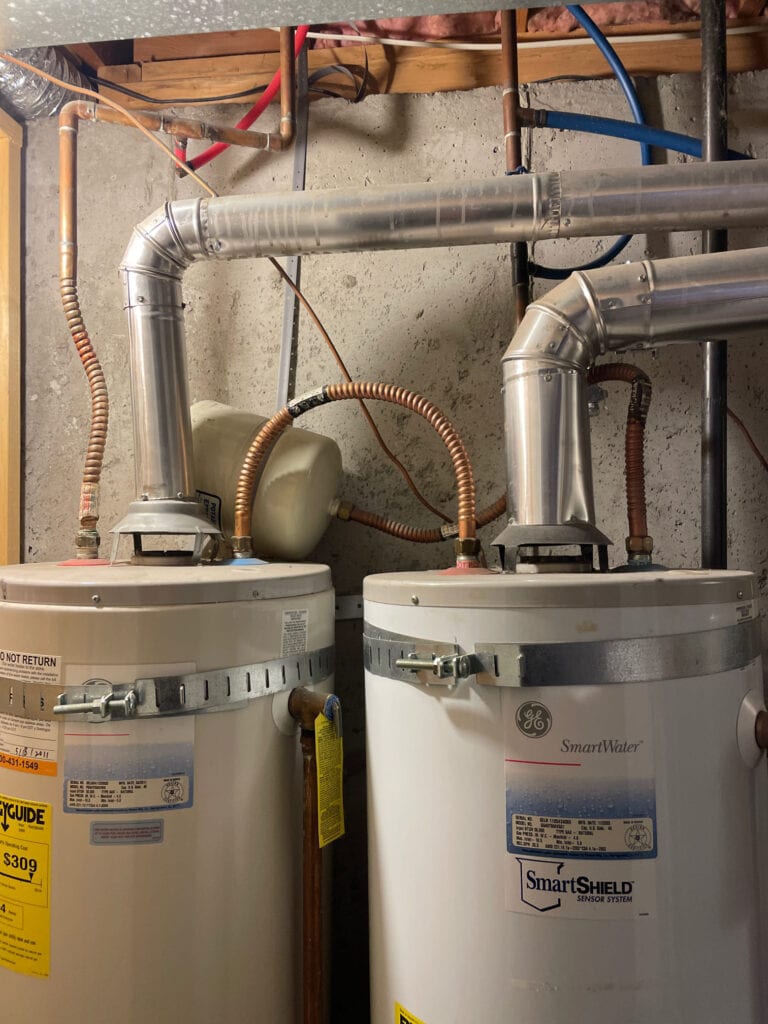
A tankless water heater works differently than the big tank you might have now. Traditional heaters store hot water in a large tank and keep it warm all day. This uses energy even when you’re not using hot water.

Tankless models work on demand. They heat water only when you need it. When you turn on your hot water tap, cold water flows through the unit.

Powerful heating elements warm the water instantly as it passes through. You get instant hot water without waiting for a tank to refill and reheat.

Save Money with Energy-Efficient Technology

One of the biggest tankless benefits is lower energy bills. Traditional tank heaters waste energy by keeping water hot 24/7. This is called standby heat loss.

Tankless systems eliminate this waste. They only use energy when you actually need hot water. Most homes see a 20 to 30 percent reduction in their water heating costs. Over time, these savings really add up.

The initial cost of water heater installation might be higher than a tank model. However, the monthly savings help offset this investment. Many homeowners recover the extra cost within a few years.

Never Run Out of Hot Water Again

Have you ever been the last person to shower in your house? If so, you know the pain of cold water. Traditional tanks can only hold so much hot water. Once it’s gone, you have to wait 30 to 40 minutes for more.

Tankless systems provide continuous hot water delivery. They heat water on demand, so you never run out. Your family can take back-to-back showers without any issues. You can run the dishwasher and washing machine at the same time without worry.

This benefit is huge for larger families or homes with high hot water needs.

Long-Lasting Water Heaters That Go the Distance

Tankless vs Traditional Water Heater Lifespan

Traditional tank water heaters typically last 10 to 12 years. Tankless models are much more durable. With proper water heater maintenance, they can last 20 years or more.

This extended lifespan means fewer replacements over your lifetime. You’ll deal with less hassle and save money in the long run. Quality home heating solutions should be investments that last, and tankless systems deliver on that promise.

Why Regular Water Heater Maintenance Matters

The key to longevity is regular maintenance. Annual checkups keep your system running smoothly. A qualified technician can flush the system and check for any issues. This simple care extends the life of your unit significantly.

Space-Saving Design Benefits of Tankless Water Heaters

Traditional water heaters are bulky. They take up valuable floor space in your garage, basement, or utility closet. Some tanks are five feet tall and two feet wide.

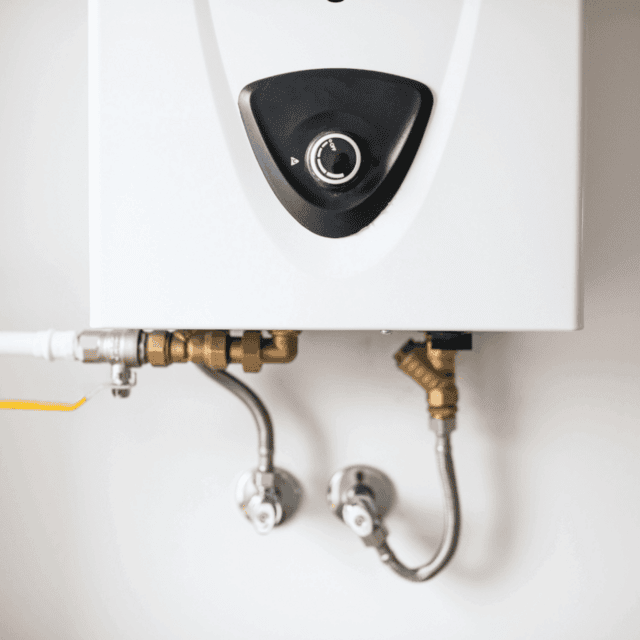
Tankless units feature a compact, space-saving design. Most are about the size of a small suitcase. They mount on your wall, freeing up floor space for storage or other uses.

This is perfect for smaller homes, apartments, or anyone who wants to maximize their living space. You can install them in tight spaces where a traditional tank would never fit.

Eco-Friendly Heating for a Greener Tomorrow

More homeowners care about their environmental impact. Tankless water heaters support eco-friendly heating goals in several ways. It:

  • Uses less energy, reducing overall carbon footprint
  • Produces fewer greenhouse gas emissions
  • Lasts longer, resulting in less landfill waste
  • Often includes recyclable components

Cost-Effective Water Heating Over Time

Several factors contribute to the long-term cost-effectiveness of tankless water heaters, including:

  • Lower monthly energy bills
  • Longer system lifespan (fewer replacements)
  • Fewer repairs compared to tank systems
  • Compounding energy savings over time
  • Potential utility rebates for energy-efficient models

Better Water Quality
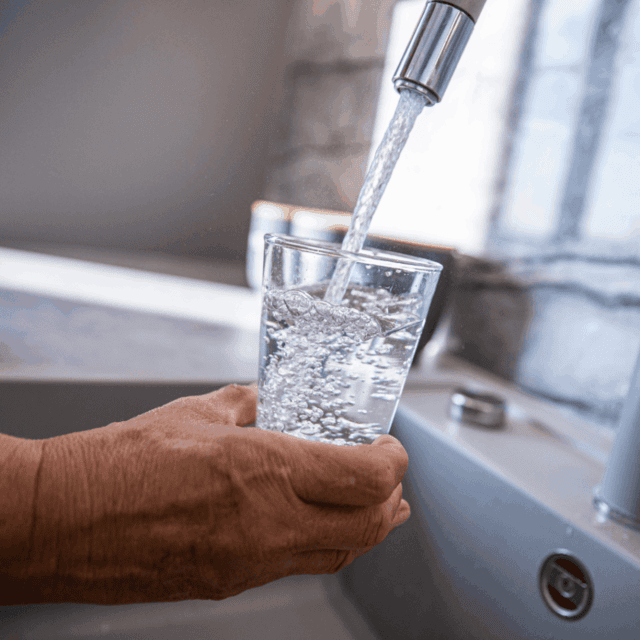
Tankless Water HeaterTankless systems can provide cleaner water. Traditional tanks can accumulate rust, scale, and sediment over time. This sits in contact with your hot water for hours or days.

With tankless units, water doesn’t sit stagnant. Fresh water flows through the system only when needed. This reduces the chance of contamination or unpleasant tastes and odors.

Clean hot water is important for drinking, cooking, and bathing. Your family deserves the best quality water possible.

Quiet Operation

Old water heaters can be noisy. You might hear popping, crackling, or rumbling sounds as they heat water. This happens because of sediment buildup on the heating elements.

Tankless models operate much more quietly. There’s no tank to make noise. The heating process is smooth and nearly silent. This is especially nice if your water heater is located near living spaces.

Perfect for Renovations and Upgrades

Planning a home renovation? Tankless water heaters fit perfectly into upgrade plans. Their small size gives architects and designers more flexibility. You can tuck them into convenient locations without sacrificing floor space.

They also pair well with other modern home systems. Smart home technology can integrate with some tankless models. You can control temperature settings and monitor energy use from your phone.

Finding Professional Installation Near You

Why Professional Tankless Water Heater Installation Matters

Proper installation is critical for getting all these benefits. You need experienced professionals who understand these systems inside and out.

Choosing the Right Plumbing Company

When searching for “plumbing near me,” look for companies with tankless expertise. Not all plumbers have the same level of experience with these modern systems. Ask about their training and how many tankless units they’ve installed.

Professional installation ensures your system operates safely and efficiently. It also protects your warranty. Most manufacturers require professional installation to keep warranties valid.

Make the Switch to Better Hot Water

Tankless water heaters represent the future of home comfort. They save money, save space, and save the environment. You get unlimited hot water whenever you need it. And your system can last for decades with simple care.

The benefits clearly outweigh the initial investment. More families are discovering why these systems make sense for modern living.

Ready to upgrade your home with a tankless water heater? Action Plumbing has the expertise and experience to help. Our team specializes in modern water heating solutions that fit your home and budget.

We’ll assess your hot water needs and recommend the perfect system. Contact Action Plumbing today to schedule a consultation and start enjoying endless hot water and lower energy bills.

emergency plumber

Winter in Arizona might not bring snowstorms like other states, but trust me, it still creates serious plumbing headaches. When temperatures drop at night, your pipes can freeze and burst.

You’ve got holiday guests putting extra strain on your water systems. Suddenly, you’re scrambling for help at the worst possible time. That’s when having a reliable emergency plumber becomes a total lifesaver.

Common Winter Plumbing Emergencies in Arizona

Here’s the thing about Arizona winters. They’re sneaky. Days feel great, but those nights? They can dip below freezing. This back and forth really messes with your home’s plumbing.

Frozen Pipes

Frozen pipes are your biggest winter enemy. Yeah, even here in the desert, exposed pipes can freeze when it gets cold enough.

Once they freeze, they can crack or burst and flood your home in minutes. You could wake up to water damage that costs thousands to fix. Not fun.

Water Heater Failures

Water heaters get a serious workout during winter. Everyone wants hot showers when it’s chilly outside. All that extra demand can push your water heater past its limit.

When searching for water heater repair near me at midnight, you need someone who responds fast. A broken water heater means cold showers and no hot water for dishes or laundry.

Plumbing Strain from Holiday Guests

Holiday gatherings really test your plumbing too. More people means more toilet flushes, more sink usage, and way more potential for clogs. Your drains might handle your normal routine just fine but choke during those big family dinners.

Outdoor Faucets and Irrigation Systems

Don’t forget about outdoor faucets and irrigation systems. Lots of Arizona homes have elaborate watering systems for desert landscaping. These exposed pipes are sitting ducks for freezing damage if you don’t protect them properly.

Warning Signs You Need an Emergency Plumber Right Now

Call a 24 7 plumber immediately if you notice:

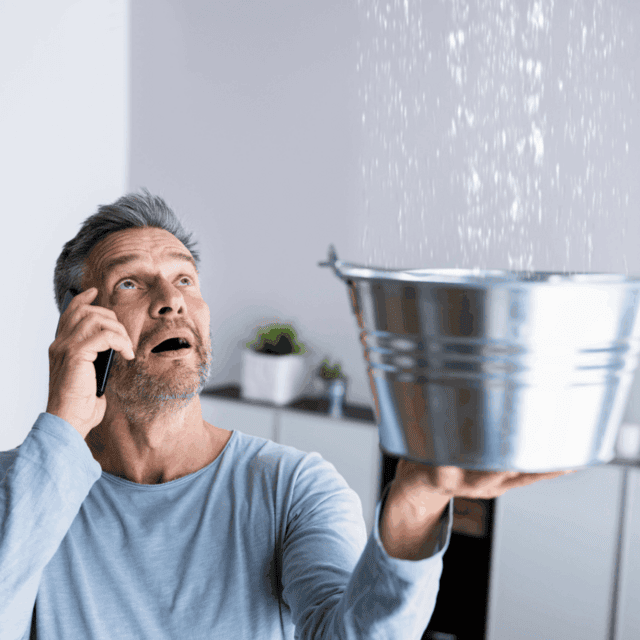
  • Water pooling or flooding — even small puddles can become major damage fast.
  • No water coming from taps — sudden loss of water indicates a serious system failure.
  • Strange pipe noises — banging, whistling, or gurgling often signals pressure issues or blockages.
  • Sewage backups — raw sewage is a health hazard and requires urgent professional help.
  • A constantly running toilet — wastes hundreds of gallons of water and spikes utility bills.

What Makes a Great Local Plumber for Emergencies

Not all plumbing companies are the same. When disaster hits at 2 AM, you need pros who can actually help you out.

24/7 Availability and Fast Response

A quality plumbing service company picks up their phone anytime, day or night. Real 24 hour plumbing means an actual person responds immediately, not just some answering machine.

Licensed and Experienced Technicians

Experience really matters when you’re dealing with emergencies. Licensed professionals have seen every type of plumbing nightmare imaginable. They can figure out what’s wrong quickly and fix it right the first time.

Fully Equipped Service Vehicles

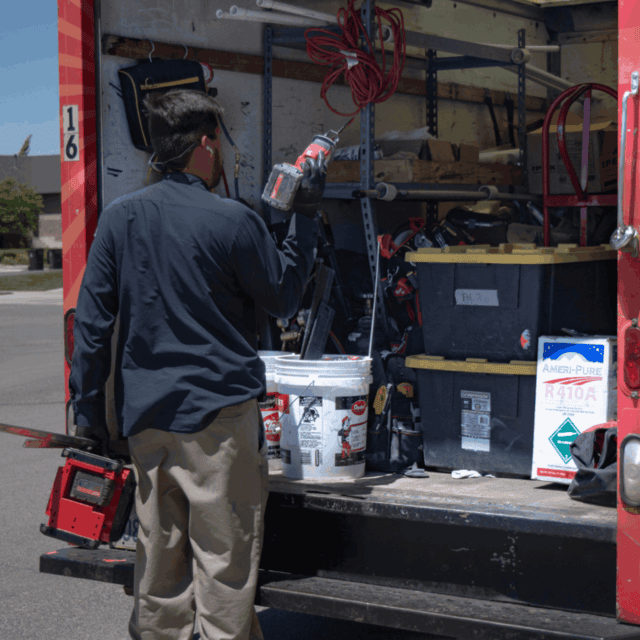
The best local plumber shows up prepared with the right tools and parts. Emergency calls shouldn’t mean multiple trips to the supply store. Professional techs carry common replacement parts right on their trucks.

Transparent Upfront Pricing

You want transparent pricing to avoid surprise bills. Good companies give you upfront estimates before they start any work. You should know what it’s going to cost before they begin.

Proper Licensing and Insurance

Proper licensing and insurance protect your home. A licensed plumber near me has passed tough testing and follows all the safety codes. Insurance coverage means you’re protected if anything goes wrong.

Winter Plumbing Problems That Require an Emergency Plumber

Some issues absolutely need immediate attention. Knowing what’s really an emergency helps you make smart calls.

When you’re searching for pipe leak repair near me during winter freezes, even small leaks can mean bigger problems. Leaking pipes can flood your home or cause hidden water damage inside your walls.

Water heater failures during cold weather need quick action. Going without hot water isn’t just uncomfortable. It can actually be unsafe, especially if you’ve got elderly family members or young kids at home.

Urgent drain repair becomes necessary when multiple drains back up all at once. This usually means you’ve got a main sewer line problem. Raw sewage is a serious health risk that demands fast action.

Gas line issues connected to water heaters require emergency response. Natural gas leaks are dangerous and potentially deadly. If you smell gas, call professionals right away and get everyone out of the house.

Advanced Solutions for Tough Winter Clogs

Winter brings its own special drainage challenges. Holiday cooking grease, extra food waste, and way more bathroom use can really overwhelm your drains.

Hydrojet Plumbing for Severe Blockages

Hydrojet plumbing near me is a powerful fix for stubborn blockages. This technique uses super high-pressure water to blast through even the toughest clogs. It works way better than simple snake tools for serious backups.

Long-Term Pipe Buildup Cleaning

Professional hydrojetting clears out years of buildup from your pipes. Grease, soap scum, and mineral deposits slowly narrow your pipes over time. High-pressure water cleaning brings back full flow and stops future problems.

Tree Root Intrusions in Sewer Lines

root intrusion

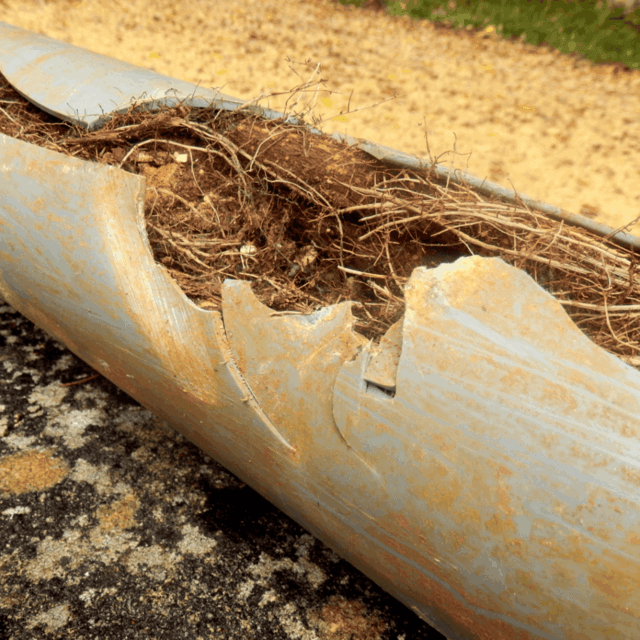
Tree roots cause major winter drainage headaches in Arizona. Desert trees hunt for water during dry months. Their roots can actually break into sewer lines, creating nasty blockages that need professional equipment to clear out.

Preventing Winter Plumbing Disasters

Smart homeowners get ahead of problems before they start. Prevention costs way less than emergency repairs, believe me.

Insulate exposed pipes before winter hits. Foam pipe insulation is cheap and super easy to install yourself. Focus on pipes in attics, garages, and anywhere outside.

Let your faucets drip just a little during freeze warnings. Moving water doesn’t freeze as easily as standing water. This simple trick can save your pipes during the coldest nights.

Make sure you know where your main water shutoff valve is. During a pipe burst, every second really counts. Being able to stop the water flow right away limits the damage big time.

Schedule a professional inspection before winter rolls around. A trained eye can catch potential problems before they turn into emergencies. Small repairs now prevent huge disasters later.

Disconnect and drain outdoor hoses and irrigation systems. Water trapped in these lines can freeze and wreck both the hose and the faucet.

Why Homeowners Trust Action Plumbing Arizona as Their Emergency Plumber

When plumbing disasters hit your Arizona home this winter, you need a team that shows up fast and gets the job done right. Action Plumbing Arizona provides reliable plumbing 24/7 near me service with licensed professionals ready to help whenever you need us.

Our experienced technicians really understand Arizona’s unique winter challenges. We get there quickly with the right tools and parts to solve your emergency. From burst pipes to failed water heaters, we handle every crisis with the expertise and care your home deserves.

Don’t wait until disaster strikes to find a professional plumber you can count on. Save our number now so you’re ready when emergencies happen. Contact Action Plumbing Arizona today for fast, reliable emergency plumbing services that protect your home and family all winter long.

emergency plumbingYour home is your biggest investment. It’s where your family lives and makes memories. But when a plumbing disaster strikes, everything can change in minutes.

Water damage doesn’t wait for business hours. That’s why having access to emergency plumbing services can mean the difference between a quick fix and thousands of dollars in repairs.

What Makes a Plumbing Problem an Emergency?

Not every drip needs a midnight call. But some issues demand immediate attention such as:

  • Burst pipes
  • Sewer backups
  • Rapid water damage spread
  • Risk of mold growth within 24 hours
  • Increasing repair costs the longer you wait

The Real Cost of Delaying Emergency Plumbing Repairs

Many homeowners try to wait until morning to call a plumber. They think they can save money by avoiding after-hours fees. This is almost always a mistake. A small leak can dump hundreds of gallons of water into your home overnight.

Consider this: water leak repair after just a few hours might cost a few hundred dollars. Wait too long, and you’re looking at flooring replacement, drywall repairs, and mold removal. Those bills quickly climb into thousands of dollars. Professional 24 7 plumbing services actually save you money in the long run.

Common Emergencies That Can’t Wait

Burst Pipes

Frozen or damaged pipes can burst without warning. When this happens, water floods your home at an alarming rate. A single burst pipe can release several gallons per minute.

Every second counts. Professional burst pipe repair teams know exactly how to stop the flow and fix the problem fast.

Sewer Backups

Few emergencies are more unpleasant than a sewer backup. Raw sewage backing up into your home is a serious health hazard. It contains harmful bacteria that can make your family sick.

Emergency sewer repair, especially sewer backup repair, isn’t just about convenience. It’s about protecting your family’s health.

You need experts who understand proper sanitation procedures. They have the right equipment to clean and disinfect your home safely. Searching for sewer repair near me when disaster strikes connects you with local professionals who can respond quickly.

Blocked Drains

A completely blocked drain might not seem like a crisis at first. But when water starts backing up and overflowing, it becomes one fast. Emergency drain repair prevents water damage and keeps your plumbing system functioning. Slow drains need attention before they become full blockages.

Beyond Plumbing: Other Home Emergencies

Your home’s essential systems work together. When one fails, others might be at risk too. Many emergency service providers handle multiple types of urgent repairs.

Heating and Cooling Failures

A broken air conditioner in summer or a dead furnace in winter creates more than discomfort. Extreme temperatures can damage your home and endanger vulnerable family members. Emergency AC repair and emergency HVAC repair services restore comfort and safety quickly.

When your furnace stops working during a cold snap, pipes can freeze and burst. Emergency furnace repair prevents this chain reaction of problems. Temperature control protects both your family and your home’s infrastructure.

Electrical Issues

Sparking outlets, burning smells, or complete power failures require immediate attention. Emergency electrical services handle dangerous situations that could lead to fires. Never ignore electrical problems. They can be life-threatening.

What to Expect from Professional 24/7 Emergency Plumbing Services

Real emergency service providers are ready any time, day or night. When you search 24/7 plumbing near me, you should find companies that actually answer their phones. Here’s what quality emergency services look like.

Fast Response Times

Minutes matter during a plumbing emergency. Top providers aim to arrive within an hour or two. They understand that delays increase damage. Their technicians are strategically located to reach you quickly.

Proper Equipment

emergency plumbingEmergency responders come prepared. They carry the tools and parts needed for common repairs. Their trucks are stocked like mobile workshops. This means they can often complete repairs on the first visit.

Clear Communication

Good emergency plumbers explain what’s wrong in plain language. They show you the problem and discuss your options. You get upfront pricing before work begins. No surprises on the bill later.

Preventing Future Emergencies

While you can’t prevent every problem, regular maintenance helps.

  • Schedule annual plumbing inspections
  • Fix small issues early
  • Know where your main water shutoff valve is
  • Save your plumber’s emergency number
  • Learn signs of plumbing trouble

Why Local Emergency Plumbing Services Make a Difference

Local service providers know your area. They understand regional plumbing issues and local building codes. Response times are faster when help is nearby. Building a relationship with a local company means better service when emergencies happen.

Local businesses also have reputations to protect. They depend on community trust and word-of-mouth referrals. This motivates them to provide excellent service every time.

Making the Right Call

When disaster strikes, you need help fast.

  • Choose a trusted provider before an emergency
  • Read reviews
  • Ask neighbors for recommendations
  • Confirm licensing and insurance
  • Check years in business
  • Evaluate response times
  • Look for 24/7 availability

Protect Your Home with Professional Help

Your home deserves protection from plumbing disasters. Water damage, sewer backups, and system failures can happen anytime. Having a reliable emergency response team on call gives you peace of mind.

Action Plumbing understands that home emergencies don’t follow a schedule. Our experienced technicians are ready to respond 24/7 to protect your home and family. Whether you’re dealing with a burst pipe at midnight or a sewer backup on Sunday morning, we’re here to help.

Don’t let a plumbing emergency destroy your home and your peace of mind. Contact Action Plumbing today and discover why homeowners throughout the area trust us for fast, reliable emergency services.

water softener installationYou step into the shower expecting hot, relaxing water. Instead, you get a lukewarm trickle that barely rinses the shampoo from your hair. Sound familiar?

Before you blame yourself for bad timing or bad luck, consider this. Your water heater might be crying out for help.

Hard water is one of the biggest enemies your water heater will ever face. It sneaks into your home through your pipes and slowly damages your system from the inside out. The good news? You can fix this problem today with the right knowledge and action.

What Is Hard Water and Why Does It Matter?

Hard water contains high levels of minerals like calcium and magnesium. These minerals are not harmful to drink, but they wreak havoc on your plumbing and appliances.

When hard water heats up inside your tank, those minerals separate from the water and form sediment. This sediment builds up at the bottom of your tank like layers of rock.

Think of it like a coffee pot that never gets cleaned. Over time, the buildup gets thicker and thicker. Your water heater has to work harder to heat the water through all that crusty sediment. This means higher energy bills and a shorter water heater lifespan for your system.

Signs Your Water Heater Is Struggling with Hard Water Problems

How do you know if hard water is attacking your water heater? Your system will send you warning signals. Here are the most common signs your water heater needs replacement or immediate attention:

Strange Noises

Popping, banging, or rumbling sounds mean sediment is trapped at the bottom of your tank. The water gets under the sediment and creates steam bubbles that pop and bang.

Inconsistent Water Temperature

One minute the water is hot, the next it’s cold. This happens because sediment blocks the heating element from doing its job properly.

Rusty or Discolored Water

If your hot water looks brown or rusty, your tank might be corroding from the inside. Hard water speeds up this corrosion process.

Less Hot Water Than Before

A buildup of sediment takes up space in your tank. This means less room for hot water, so your showers get shorter and shorter.

Higher Energy Bills

When your heater works harder to heat water through layers of mineral deposits, it uses more energy. Your wallet feels the pain every month.

The Real Cost of Ignoring Hard Water Effects on Water Heaters

Ignoring these warning signs can lead to a broken water heater. A standard water heater should last 8 to 12 years with proper care. Hard water can cut that lifespan in half. Commercial properties face even bigger problems because they use more hot water daily.

When sediment builds up, your tank becomes a ticking time bomb. The bottom of the tank weakens. Leaks develop. Eventually, the whole system fails.

A full replacement costs much more than regular maintenance. Plus, you deal with the headache of no hot water and potential water damage to your property.

How to Solve Hard Water Problems Starting Today

The solution is simpler than you might think. Water heater flushing is your first line of defense against mineral buildup. This process removes sediment from the bottom of your tank before it causes serious damage.

DIY Flushing

You can flush your hot water heater yourself if you feel comfortable. For electric water heaters, turn off the power at the breaker box. For a gas water heater, switch the thermostat to pilot mode.

Connect a garden hose to the drain valve at the bottom of the tank. Run the water until it flows clear instead of cloudy or full of chunks.

Professional Maintenance

how to solve hard water problemFor the best results, schedule water heater maintenance with a licensed plumber. Professionals have the tools and experience to flush your system thoroughly. They can also spot other issues during water heater diagnosis that you might miss.

Frequency Matters

In areas with very hard water, flush your tank every six months. For moderate hard water, once a year works fine. Commercial properties should flush quarterly because of higher usage.

Additional Solutions for Long-Term Protection

Flushing helps, but you can do more to protect your investment and extend your system’s life.

Install a Water Softener

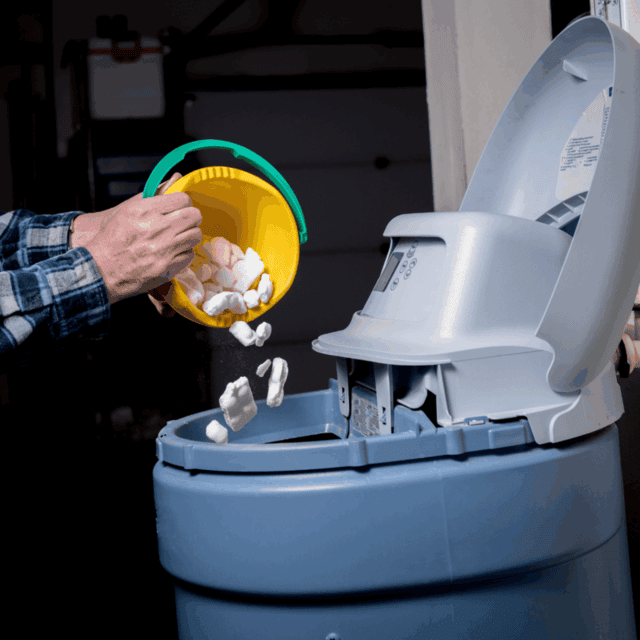
This device removes minerals from your water before they reach your heater. It is the most effective long-term solution. Your water heater, pipes, and appliances all benefit from softer water.

Replace Your Anode Rod

Every water heater has an anode rod that attracts corrosive elements. This rod sacrifices itself to protect your tank. Check it every few years and replace it when it gets too worn down.

Insulate Your Tank

Insulation helps your water heater work more efficiently. It keeps heat inside the tank so your system does not have to work as hard.

Upgrade to a Tankless System

Tankless water heaters do not store water, so sediment buildup is less of a problem. They heat water on demand and last longer than traditional tank models. Whether you currently have electric water heaters or a gas water heater, tankless options are available for both fuel types.

When Water Heater Repair Is Not Enough

Sometimes the damage goes too deep for a simple fix. If your water heater is more than 10 years old and showing multiple warning signs, repair might just delay the inevitable. A professional can perform a complete water heater diagnosis to determine if repair or replacement makes more sense.

Look for these red flags that signal it is time to replace rather than repair:

  • Water pooling around the base of your tank
  • Visible rust or corrosion on the tank exterior
  • Multiple leaks in different areas
  • Constant need for repairs within a short time period
  • Age exceeding the manufacturer’s recommended lifespan

Commercial water heater systems face unique challenges because of their size and heavy use. These systems require specialized knowledge for proper maintenance and repair. Never attempt complex repairs on commercial units without professional help.

The Action Plumbing Difference

Your water heater works hard every single day to provide comfort and convenience. Don’t let hard water shorten its life or leave you with cold showers and expensive emergency repairs. Regular maintenance, timely flushing, and professional care make all the difference.

Ready to solve your hard water headaches once and for all? Action Plumbing brings years of experience to every job. Our team handles everything from routine water heater flushing to complete system replacements for both residential and commercial properties.

We diagnose problems accurately, explain your options clearly, and complete the work efficiently. Contact Action Plumbing today to schedule your water heater maintenance and protect your investment for years to come.

Plumbing ServicesEver notice how plumbing disasters have the worst timing? Your toilet decides to overflow right as guests arrive for dinner. The kitchen sink springs a leak five minutes before you leave for vacation.

Or you wake up at 3 AM to a mysterious waterfall sound that definitely shouldn’t be there. It’s like your pipes have a sixth sense for the absolute worst moment to fail.

The truth is, plumbing emergencies don’t care about your schedule. They don’t wait for Monday morning or convenient business hours. That leaking pipe under your sink won’t pause itself until you’re ready to deal with it.

This is exactly why having reliable 24 7 plumbing services on speed dial isn’t just nice to have. For Arizona homeowners, it’s essential.

Why You Really Need a 24 7 Plumber on Speed Dial

Living in Arizona means dealing with some pretty extreme weather. Our scorching summers and surprisingly cool winters put serious stress on your plumbing. Pipes expand when it’s hot and contract when it cools down. Over time, this constant change creates cracks and weak spots that can fail without warning.

When something goes wrong at 3 AM, you can’t just wait until the next business day. Water damage happens fast. Really fast. Having a trusted 24 hour plumbing service means you’re never stuck dealing with a disaster alone.

Whether it’s Tuesday afternoon or Saturday at midnight, help is available. And honestly, that peace of mind is worth its weight in gold.

Plumbing Emergencies That Need Immediate Plumbing Services

Let’s talk about the situations where you absolutely can’t afford to wait. Some issues might seem manageable at first, but they can spiral into expensive nightmares within hours. Here’s when you need to grab your phone and call emergency plumbers immediately.

When Pipes Burst

A burst pipe is no joke. We’re talking about gallons of water flooding your home every single minute. Your floors, walls, and everything you own can get damaged quickly.

Arizona’s intense heat can make older pipes fail suddenly, even if they seemed fine yesterday. You need urgent plumbing repair to shut off the water and stop the damage before it gets worse.

Dealing With Severe Drain Clogs

If multiple drains in your house are backing up at the same time, you’ve probably got a main sewer line blockage. This isn’t just inconvenient. When sewage backs up into your home, it’s dangerous for your health. You need a same day plumber who can get out there fast and clear that line before things get really messy.

Water Heater Problems That Need Expert Plumbing Services

A leaking water heater can turn your utility room into a swimming pool in just a few hours. And if you have a gas water heater acting up, there are safety concerns too. These situations need quick attention from a professional who knows what they’re doing.

Toilets That Won’t Stop Overflowing

An overflowing toilet is stressful and gross. If the water keeps running and the bowl won’t stop filling, you’re looking at potential water damage and a serious mess. A plumbing emergency service can get this sorted out before your entire bathroom floor is ruined.

What You Should Look for in Quality Plumbing Services

Okay, so not all plumbing companies are the same. When you’re searching for a “licensed plumber near me” at 2 AM, you want to make sure you’re getting the real deal. Here’s what matters most.

Proper Licensing and Insurance

Arizona requires plumbers to have valid licenses. This isn’t just red tape. It means they actually know what they’re doing and understand current safety codes.

Insurance is huge too because it protects you if something goes wrong during the repair. Always check these credentials before anyone touches your pipes.

Actually Fast Response Times

When companies advertise 24 7 plumbing services, they should mean it. The best ones get to your house within an hour of your call. Speed really matters here. The faster they arrive, the less damage you’ll deal with.

No Surprise Charges

Nobody likes getting hit with unexpected fees, especially during an emergency. Look for companies that tell you exactly what things will cost before they start working. Even during after-hours calls, you deserve to know what you’re paying upfront.

Technicians Who Know Their Stuff

Experience counts for a lot in plumbing. Technicians who’ve been doing this for years can spot problems faster and fix them correctly the first time. They’ve handled every type of emergency you can imagine, so nothing catches them off guard.

Why Going Local Makes Sense

Plumbing ServicesThere’s something to be said for choosing a local plumber over some big national chain. Local companies get Arizona. They understand our water quality issues and how it affects your pipes. They know the common problems that pop up in different neighborhoods around here.

Plus, local businesses care more about their reputation. When your neighbors are also their customers, they work harder to make sure you’re happy. Word travels fast in local communities. When you search for “plumbing repair near me,” a nearby company can usually get to you faster than someone coming from across town.

Building a relationship with one trusted plumbing company is smart too. They get to know your home’s plumbing history. They can catch potential issues before they turn into 2 AM emergencies. Trust me, this saves you both money and stress down the road.

How to Avoid Emergencies in the First Place

Prevent plumbing emergencies with simple habits:

  • Schedule an annual inspection
  • Replace worn or aging parts early
  • Monitor water pressure
  • Test your water heater regularly
  • Inspect exposed pipes for corrosion or leaks
  • Use drain screens
  • Avoid pouring grease down drains
  • Know where your main shutoff valve is

When Can You Wait Until Normal Hours?

Not everything is an emergency, thankfully. Some plumbing issues can wait until regular business hours, which often saves you money since emergency calls might cost more.

Plumbing issues that usually can wait:

  • Slow drains
  • Dripping faucets
  • Running toilets
  • Low water pressure
  • Routine maintenance or inspections

Finding Reliable Plumbing 24/7 Near Me

So how do you find dependable around-the-clock service before you actually need it? Start by asking your neighbors and friends who they trust. Online reviews are helpful too. You can get a real sense of how reliable and professional a company is.

Check how long they’ve been in business. Companies that have been around for years have proven they know what they’re doing. Visit their website to verify licensing and see what services they offer.

Here’s a pro tip: Call them before you have an emergency. Ask about their typical response times. Find out how their pricing works. Knowing all this ahead of time makes actual emergencies way less stressful.

Ready When You Need Us

When plumbing problems hit your Arizona home, you shouldn’t have to stress about finding help. You need someone who’ll show up fast, fix things right, and treat you fairly.

That’s what we do at Action Plumbing Arizona. Our licensed professionals are ready to help you any time, day or night. We serve communities throughout Arizona with the same level of care and quality every single time.

Our technicians bring years of real experience to every job. We show up with fully stocked trucks, ready to handle whatever’s going wrong.

We give you honest answers and clear pricing before we touch anything. No hidden fees. No surprises.

Whether you’re dealing with a middle-of-the-night emergency or just need routine maintenance, we’ve got your back. Give Action Plumbing Arizona a call today. Let us show you what professional, dependable plumbing service really looks like. Your home deserves the best, and we’re here to deliver it.

Frozen pipe repairIt’s 6 AM on a Tuesday, and you’ve just discovered your bathroom faucet won’t work. The temperature outside hit 15 degrees last night. Your pipes are frozen, and you need to get to work in an hour. This scenario plays out in hundreds of Salt Lake City homes every winter.

The good news? You can handle this crisis with the right knowledge about frozen pipe repair and prevention.

Understanding the Dangers of Frozen Pipes

Frozen pipes are more than just an inconvenience. They’re a serious threat to your home. Water expands when it freezes, creating intense pressure inside your pipes.

This pressure can cause pipes to crack or burst completely. A single burst pipe can release hundreds of gallons of water into your home within hours.

The damage from a pipe burst goes beyond just wet floors. You might face ruined drywall, damaged furniture, destroyed electronics, and even mold growth. The average cost of water damage from burst pipes exceeds $5,000. Some homeowners face bills reaching $20,000 or more.

Signs of Frozen Pipes Every Homeowner Should Know

Catching frozen pipes early makes all the difference. Here are the warning signs to watch for:

Reduced Water Flow

Turn on your faucets. If only a trickle comes out or nothing flows at all, you likely have ice blocking your pipes.

Frost on Pipes

Visible frost or ice on exposed pipes is an obvious red flag. Check your basement, crawl spaces, and exterior walls.

Strange Smells

Odd odors coming from your drains or faucets can mean a complete blockage. The only place for sewer gases to escape is back through your fixtures.

Unusual Sounds

Listen for clanking, banging, or whistling when you turn on water. These noises often indicate ice formation.

Cold Spots

Feel along your walls, especially on exterior surfaces. Unusually cold areas might signal icy pipes behind the drywall.

How to Find Frozen Pipes in Your Home

Start your search in the most vulnerable areas. Pipes in unheated spaces freeze first. Check your basement, attic, garage, and crawl spaces carefully. Exterior walls are another hot spot, especially on the north side of your home where sunlight is limited.

Look for pipes near windows, vents, or any openings where cold air might seep in. Kitchen and bathroom sinks on outside walls are particularly at risk. Once you locate the frozen section, you’ll see frost or feel extreme cold when touching the pipe.

What to Do If Pipes Freeze: Immediate Steps

Time matters when dealing with icy plumbing. Follow these steps right away:

First, open the affected faucet. This allows water and steam to escape as the ice melts. Leave both hot and cold taps slightly open.

Second, keep your home warm. Turn up your thermostat and open cabinet doors under sinks. This lets warm air circulate around the pipes.

Third, never ignore the problem. Even if water still flows slowly, ice may be forming. Acting now prevents complete blockages and potential bursts.

Safe Ways to Thaw Pipes

If you can safely access the frozen pipe, you have several options for thawing:

Heat Lamp Method

Position a heat lamp or portable space heater near the frozen section. Keep it at least three feet away to prevent fire hazards. Never leave heating equipment unattended.

Hair Dryer Technique

A hair dryer works well for small frozen sections. Start closest to the faucet and work backward toward the coldest area. Keep the dryer moving to avoid overheating one spot.

Warm Towel Wrap

Soak towels in hot water and wrap them around the frozen pipe. Replace the towels as they cool. This gentle method works great but takes patience.

Heating Tape

For prevention and thawing, heating tape provides consistent warmth. Wrap it around vulnerable pipes following the manufacturer’s instructions carefully. Some types plug in while others are self-regulating.

How to Thaw Frozen Pipe: What NOT to Do

Avoid these dangerous mistakes:

Never use a blowtorch, propane heater, or any open flame. These can damage pipes, start fires, or cause pipes to burst from rapid heating.

Don’t use high heat settings on electrical devices. Extreme temperatures can crack pipes or melt plastic components.

Skip the shortcuts. Patience prevents disasters. Slow, steady warming is always safer than quick fixes.

When to Call a Pipe Thawing Service

Some situations require professional help immediately. Call an emergency plumber Salt Lake City residents trust if:

  • You can’t locate the frozen section
  • The frozen pipe is inside a wall or ceiling
  • You’ve tried safe thawing methods without success
  • You notice any cracks, leaks, or damage
  • Multiple pipes are frozen
  • You smell gas or see signs of flooding

Professional plumbers have specialized equipment like pipe steamers and thermal imaging cameras. These tools locate and thaw frozen pipes quickly and safely.

How Do Pipes Burst: The Science Behind the Break

burst pipeUnderstanding why pipes burst helps you prevent it. Ice doesn’t actually break pipes where it forms. Instead, the blockage creates a pressure buildup between the ice and a closed faucet. This pressure has nowhere to go.

The weakest point in the pipe gives way first. Often this happens downstream from the frozen area. That’s why you might see a leak or burst in a spot that never felt cold.

Metal pipes can withstand more pressure than plastic ones. But even copper and steel pipes have limits. When pressure exceeds those limits, the pipe fails.

Preventing Frozen Pipes Before Winter Hits

Prevention beats repair every time. Take these steps before temperatures drop:

Insulate pipes in unheated areas using foam pipe sleeves. Pay special attention to crawl spaces and attics.

Seal cracks and openings in exterior walls. Even small gaps let in enough cold air to freeze pipes.

Disconnect and drain outdoor hoses. Shut off water to exterior faucets and drain the lines.

Let faucets drip during extreme cold. Moving water resists freezing better than standing water.

Keep your thermostat consistent. Avoid major temperature drops, especially at night.

Open cabinet doors during cold snaps. This helps warm air reach pipes under sinks.

Emergency Preparedness for Salt Lake City Winters

Salt Lake City winters can be harsh and unpredictable. Keep these items on hand:

  • A reliable plumber’s phone number programmed in your phone
  • Extra towels and buckets for small leaks
  • A working flashlight with fresh batteries
  • Your water main shutoff valve location clearly marked
  • Photos of your plumbing system for reference

Know where your main water shutoff is located before problems arise. In an emergency, shutting off water quickly limits damage.

The Cost of Frozen Pipe Repair vs. Prevention

Prevention costs far less than repairs. A few dollars of pipe insulation beats thousands in water damage restoration. Professional winterization services typically cost between $100 and $300. Compare that to average repair bills of $500 to $1,000 for basic thawing and minor repairs.

If pipes actually burst, costs skyrocket. You’ll pay for plumbing repairs, water damage restoration, potential mold remediation, and replacement of damaged belongings.

Protect Your Salt Lake City Home This Winter

Don’t wait until you hear water running in your walls or see puddles forming on your floor. Frozen pipe issues demand quick action and expert knowledge. While you can handle some prevention and minor thawing yourself, serious situations need professional attention.

Action Plumbing understands the unique challenges Salt Lake City winters bring to your home’s plumbing system. Our experienced team provides fast, reliable emergency plumber services 24/7.

Whether you need help thawing stubborn ice blockages, repairing damaged pipes, or winterizing your plumbing before the next cold snap, we’re here to help.

Contact Action Plumbing today to schedule a winter plumbing inspection or for immediate assistance with frozen pipes. We’ll help you keep the water flowing and your home protected all winter long.

frozen pipesLet’s talk about something that could save you thousands of dollars this winter. Your home’s pipes are more vulnerable than you think. When temperatures plunge, water inside those pipes can freeze, expand, and crack them open.

The result? A flood that damages everything in its path. But you’re not powerless here. Taking action before the next cold snap can prevent pipes from freezing and keep your home safe all season long.

Why Pipes Freeze in Utah Homes

Understanding why pipes freeze is the first step in preventing the problem. When temperatures drop, the water inside your pipes can turn to ice. As water freezes, it expands.

This expansion puts enormous pressure on your pipes from the inside. Even strong metal or plastic pipes can’t handle this force forever.

Utah’s harsh winter climate makes this problem especially common. When temperatures dip below 20 degrees Fahrenheit, unprotected pipes are at serious risk. Pipes in unheated areas like crawl spaces, attics, garages, and exterior walls are most vulnerable.

But here’s what many homeowners don’t realize. It’s not just about how cold it gets outside. Wind chill and the length of time pipes stay cold also matter. A pipe that stays at 25 degrees for several hours faces more danger than one that briefly drops to 15 degrees.

How Cold Before Frozen Pipes Form?

Most plumbing experts agree that:

  • Pipes begin freezing around 20°F
  • Poorly insulated pipes can freeze even at 32°F
  • Older homes are at higher risk
  • Pipes on exterior walls freeze sooner
  • Duration of cold exposure matters

Winter Plumbing Tips to Protect Your Home

Taking action now can save you from disaster later. Here are proven strategies to keep your plumbing system safe all winter long.

Insulate Exposed Pipes

Pipe insulation is your first line of defense against freezing. Focus on pipes in crawl spaces, attics, basements, and garages. Even pipes in cabinets along exterior walls need protection.

The best pipe insulation options include foam pipe sleeves, fiberglass wrap, and heat tape. Foam sleeves are affordable and easy to install yourself. Simply cut them to length and snap them around your pipes. For extra protection in extremely cold areas, consider adding heat tape underneath the insulation.

Seal Air Leaks

Cold air leaks let freezing temperatures reach your pipes faster. Walk around your home and look for gaps around pipes where they enter your house. Check for cracks in your foundation, holes around electrical wiring, and spaces around vents.

Use caulk or spray foam to seal these openings. This simple step keeps cold air out and warm air in. It also helps lower your heating bills.

Keep Cabinet Doors Open

On especially cold nights, open cabinet doors under sinks. This allows warm air from your home to circulate around the pipes. This trick works best for sinks along exterior walls.

Let Faucets Drip

Running water is much harder to freeze than standing water. On nights when temperatures are forecast to drop below 20 degrees, let your faucets drip slightly. You don’t need a strong stream. Just a small trickle keeps water moving through the pipes.

This technique works especially well for faucets that are far from your water heater or located on exterior walls.

Maintain Consistent Indoor Temperature

It’s tempting to turn down your thermostat when you’re away or asleep to save money. But during extreme cold snaps, this can lead to frozen pipe prevention failures. Keep your home heated to at least 55 degrees even when you’re gone.

If you’re leaving town during winter, don’t shut off your heat completely. Ask a neighbor to check on your home every day. Better yet, install a smart thermostat that alerts you if your indoor temperature drops too low.

Disconnect Outdoor Hoses and Drain Sprinklers

Winterize plumbing systems outside your home too. Disconnect all garden hoses before the first hard freeze. Drain water from your outdoor faucets and sprinkler systems. Any water left in these lines can freeze, expand, and crack the pipes or fixtures.

Consider installing frost-proof outdoor faucets. These special faucets shut off water inside your warm home rather than outside where it’s cold.

Insulate Your Water Heater

Your water heater works harder in winter to maintain hot water temperature. An insulated water heater jacket helps it run more efficiently and prevents heat loss. This simple upgrade can also extend the life of your water heater.

What to Do If You Have Frozen Pipes

frozen pipesEven with the best frozen pipe prevention measures, accidents can happen. If you turn on a faucet and only a trickle comes out, you likely have a frozen pipe.

Don’t panic. Act quickly but carefully.

  • Keep the faucet open
  • Apply gentle heat (hair dryer, heating pad, warm towels)
  • Start warming closest to the faucet
  • Never use open flames or torches
  • Call a plumber if the frozen section isn’t accessible

When to Call an Emergency Plumber

Some situations require professional help right away. Call an emergency plumber if you discover a burst pipe, if you can’t locate or access the frozen section, if you’ve tried to thaw a pipe but water still won’t flow, or if you smell gas (some pipes run near gas lines).

Burst pipe repair is not a DIY job. Water can pour into your home at a rate of several gallons per minute. This causes immediate damage to floors, walls, furniture, and personal belongings. Quick professional response minimizes this damage and gets your water service restored faster.

The True Cost of Frozen or Broken Pipes

Water damage from burst pipes costs homeowners an average of $5,000 to $10,000 per incident. Insurance may cover some of this, but you’ll still face deductibles, rate increases, and the hassle of repairs. Broken pipes can also lead to mold growth if water damage isn’t addressed quickly.

More importantly, you’ll lose access to running water during repairs. In the middle of a Utah winter, this means no showers, no washing dishes, and no working toilets. For most families, this disruption is even more stressful than the financial cost. 

Prevention costs a fraction of these repair bills. A few hours of work and some basic supplies now can save you thousands of dollars and enormous headaches later.

Your Winter Plumbing Checklist

As temperatures drop, review this quick checklist:

  • Insulate exposed pipes
  • Seal air leaks
  • Disconnect and drain outdoor hoses and faucets
  • Know where your main shut-off valve is
  • Open cabinet doors on cold nights
  • Let faucets drip when below 20°F
  • Keep indoor temp at 55°F or higher

Taking these simple steps protects your home and gives you peace of mind all winter long.

Protect Your Home With Action Plumbing

Don’t wait until disaster strikes. The team at Action Plumbing has helped Utah homeowners prepare for winter weather for years.

Our experienced plumbers can inspect your home’s plumbing system, install quality insulation on vulnerable pipes, and identify potential problem areas before they become emergencies.

We’re also here when you need us most. Our emergency plumber services are available 24/7 for frozen or burst pipes. When freezing temperatures threaten your home, you can count on Action Plumbing for fast, professional service.

Contact Action Plumbing today to schedule your winter plumbing inspection. Let us help you winterize your Utah home and enjoy worry-free comfort all season long.

Backflow

Have you ever wondered what stops dirty water from flowing back into your clean water supply? It’s a scary thought. Your drinking water could mix with contaminated water from your sprinklers, toilets, or washing machine. The good news is that a simple plumbing device can protect your family from this hidden danger.

What Is Backflow and Why Should You Care?

Backflow happens when water flows in the wrong direction through your pipes. Instead of clean water flowing into your home, dirty water can reverse course and contaminate your drinking water. This can happen during a sudden drop in water pressure.

Think about your garden hose sitting in a bucket of fertilizer. If the water pressure drops suddenly, that fertilizer water could get sucked back into your home’s pipes. This is a real health risk for your family.

Common causes of backflow include:

  • A broken water main in your neighborhood
  • Heavy water use from firefighting
  • A pipe burst somewhere in the system
  • Pressure changes from nearby construction

Your Tempe plumbing system faces these risks every day. The Arizona heat can stress pipes and cause pressure drops. That’s why backflow prevention is so important in our area.

The Hero Device: Your Backflow Valve

A backflow valve is the plumbing device that stops water from flowing the wrong way. Think of it like a one-way door for your water. It lets clean water in but won’t let dirty water back out into the main supply.

These valves work automatically. You don’t need to flip switches or push buttons. They sense when water tries to flow backward and slam shut to protect your water supply.

There are different types of backflow prevention devices for different situations. The most common ones you’ll see in Tempe homes include:

Atmospheric Vacuum Breaker (AVB)

This is the simplest type. You often see these on outdoor faucets and sprinkler systems. They use air pressure to stop backflow. When water pressure drops, air enters the valve and prevents reverse flow.

Pressure Vacuum Breaker (PVB)

Similar to an AVB but more reliable. These work well for irrigation systems. They have a spring-loaded check valve that adds extra protection. Many Tempe homeowners have these installed on their outdoor watering systems.

Double Check Valve Assembly (DCVA)

This device has two check valves in series. If one fails, the other still protects you. These are great for home water safety in areas with moderate hazard levels. They’re common in residential plumbing.

Reduced Pressure Zone Device (RPZ)

This is the gold standard for cross-connection protection. It has two check valves plus a pressure relief valve between them. If anything goes wrong, water dumps out through the relief valve instead of backing up into your clean water. These are required for high-hazard situations.

Where Do You Need Backflow Protection?

Your home has several spots where contaminated water could enter your clean supply. Here’s where you need protection:

Sprinkler Systems

Your lawn sprinklers are a major backflow risk. They sit on the ground where fertilizers, pesticides, and dirt can enter the water. Every sprinkler system should have a backflow prevention device.

Hose Bibs

Those outdoor faucets where you connect your garden hose need protection too. A simple vacuum breaker can prevent problems here. These plumbing fixtures are often overlooked, but they’re a common source of contamination.

Pool and Spa Connections

If your pool or spa connects to your home’s water supply, you need a backflow preventer. Pool chemicals are dangerous if they enter your drinking water.

Fire Sprinkler Systems

Commercial buildings and some homes have fire sprinklers. The water sitting in these pipes can become stagnant and contaminated.

Boiler Systems

Heating systems that use water need backflow prevention. The chemicals used in boilers are toxic.

How Tempe Regulations Protect You

Arizona takes water safety seriously. Tempe has specific codes about backflow prevention. The city requires these devices on many properties. They also require regular testing to make sure the valves work properly.

Your backflow prevention device must be tested annually by certified plumbers in Tempe. This isn’t optional. It’s a legal requirement designed to prevent water contamination throughout the community.

During testing, the plumber checks:

  • That all valves open and close properly
  • Pressure levels are correct
  • No water leaks through when it shouldn’t
  • The relief valve works if you have an RPZ

If your device fails testing, it must be repaired or replaced immediately. You’ll receive a notice from the city if you don’t complete your annual test.

Signs Your Backflow Device Needs Attention

Backflow

Even between annual tests, watch for these warning signs:

  • Water dripping or spraying from the device
  • Reduced water pressure in your home
  • Discolored water coming from your taps
  • Strange tastes or smells in your drinking water
  • Visible rust or corrosion on the valve

Don’t ignore these signs. They could mean your backflow prevention is failing. Your family’s health depends on this device working properly.

The Importance of Professional Installation

Installing a backflow valve isn’t a DIY project. It requires specific knowledge and tools. The device must be installed at the right location in your plumbing system.

It needs to be the right size for your water flow. And it must meet local codes.

Professional plumbers understand these requirements. They know which device works best for your situation. They install it correctly the first time. This saves you money and protects your water supply.

Poor installation can actually make things worse. A valve installed backward does nothing. One that’s too small restricts your water flow. One that’s too large won’t seal properly.

Keeping Your Device in Top Shape

Regular plumbing maintenance extends the life of your backflow prevention device. Here’s what you should do:

Schedule Annual Testing

Mark your calendar. Don’t wait for the city to remind you. Professional testing catches problems before they become emergencies.

Visual Checks

Look at your device monthly. Check for leaks, rust, or damage. Make sure nothing is blocking it or putting pressure on the pipes.

Keep It Accessible

Don’t bury your backflow preventer under landscaping. Technicians need easy access for testing and repairs. Keep plants and decorations away from the device.

Make sure you know where your main shutoff valve is located too. In an emergency, you may need to turn off water quickly to prevent damage.

Winter Protection

While Tempe winters are mild, we do get occasional freezes. Some backflow devices need insulation or draining during cold snaps. Ask your plumber what’s right for your specific device.

Replace When Needed

These devices don’t last forever. Most need replacement every 10 to 15 years. If yours is older or keeps failing tests, replacement might be more cost effective than constant repairs.

Protect Your Family’s Water Today

Your home’s water safety depends on proper backflow prevention. This simple plumbing device stands between your family and serious contamination. It works silently every day to keep your drinking water clean and safe.

Don’t take chances with your water quality. Whether you need a new backflow prevention device installed, your annual testing completed, or repairs on an existing system, Action Plumbing Arizona has the expertise to help.

Our certified plumbers in Tempe understand local codes and can ensure your home has the right protection. We provide fast, reliable service that keeps your water safe.

Contact Action Plumbing Arizona today to schedule your backflow testing or to learn more about protecting your home’s water supply.

Plumbing Tips

Living in Tempe means dealing with unique challenges that can affect your home plumbing system. The desert heat and hard water common to Arizona create specific problems that homeowners need to watch for.

But don’t worry. With the right knowledge and regular care, you can keep your pipes flowing smoothly year-round.

Understanding Your Home’s Plumbing Needs

Tempe homeowners face different issues than people in other parts of the country. Our intense summers put extra stress on water heaters and outdoor pipes.

The mineral-rich water in our area can build up inside your pipes over time. These factors make it extra important to stay on top of maintenance.

Your plumbing works hard every single day. From your morning shower to washing dinner dishes, water moves through dozens of pipes and fixtures. When something goes wrong, it can disrupt your whole routine. That’s why knowing some basic plumbing tips can save you time, money, and stress.

Watch for Water Pressure Issues: Plumbing Tips for Tempe Homes

Have you noticed your shower doesn’t spray as strong as it used to? Water pressure issues are one of the most common complaints we hear from local homeowners. Low pressure usually means one of a few things is happening.

Common causes of low water pressure:

  • Mineral buildup in aerators and showerheads

  • Hard water sediment

  • Hidden leaks in the plumbing system

Quick fixes:

  • Remove and soak aerators/showerheads in vinegar

  • Call a professional if pressure doesn’t return

Create Your Plumbing Maintenance Guide

Regular care prevents most major plumbing disasters. Think of it like changing the oil in your car. A little prevention goes a long way. Here’s what you should do to keep everything running smoothly.

Regular plumbing maintenance steps:

  • Check under sinks for moisture or rust

  • Inspect flexible supply lines

  • Test shut-off valves

  • Mark the location of the main shut-off valve

Keep Your Drains Flowing Free: Essential Plumbing Tips

Slow drains are annoying. They can also lead to complete blockages if you ignore them. Regular drain cleaning in Tempe should be part of your home care routine.

Daily and Weekly Drain Care Tips

Never pour grease or oil down your kitchen sink. Even if you run hot water, these substances cool and stick to your pipe walls. Over time, they create nasty clogs. Instead, let grease cool in a container and throw it in the trash.

Use drain screens in your sinks and showers. These simple mesh covers catch hair, food bits, and other debris before they enter your pipes. Clean these screens weekly to keep water flowing freely.

Natural Monthly Drain Cleaning Method

For routine drain care, try this natural method once a month. Pour half a cup of baking soda down the drain, followed by half a cup of white vinegar. Let it sit for 30 minutes, then flush with hot water. This helps prevent buildup without harsh chemicals.

When to Avoid Chemical Drain Cleaners

If you notice a clogged drain that won’t clear with these methods, don’t reach for harsh chemical cleaners right away. These products can damage your pipes over time. Instead, try a plunger first or call a professional who can safely clear the blockage without harming your plumbing.

Water Heater Maintenance Matters

water heater

Your water heater works overtime in Tempe homes. Between showers, laundry, and dishes, it heats water constantly. Proper water heater maintenance extends its life and keeps your energy bills lower.

Water heater maintenance checklist:

  • Flush the tank annually

  • Set temperature to 120°F

  • Listen for popping/rumbling noises

Leak Prevention Strategies

A small leak can waste thousands of gallons of water and cause serious damage to your home. Leak prevention should be a priority for every homeowner.

Common Warning Signs of Hidden Leaks

Know the warning signs of hidden leaks. These include unexplained increases in your water bill, the sound of running water when nothing is on, or damp spots on walls and ceilings. Mold or mildew growth can also indicate a leak behind the walls.

Using Your Water Meter to Detect Leaks

Check your water meter to detect leaks anywhere in your system. Turn off all the water in your house and look at the meter. If it’s still moving, you have a leak somewhere. This simple test can save you from costly water waste.

Toilet Leak Checks You Can Do Yourself

Check your toilet for leaks by adding a few drops of food coloring to the tank. Wait 15 minutes without flushing. If color appears in the bowl, you have a leak. Most toilet leaks come from a worn flapper valve, which is cheap and easy to replace.

Inspecting and Replacing Washing Machine Hoses

Inspect your washing machine hoses every year. These rubber hoses can crack and burst, causing major flooding. Replace them every five years, or sooner if you see any wear. Consider upgrading to stainless steel braided hoses for better durability.

Seasonal Plumbing Care for Desert Living

Tempe’s seasons might not be as dramatic as other places, but seasonal plumbing care still matters here. Each time of year brings different challenges.

Before Summer:

  • Check outdoor faucets

  • Inspect sprinkler system

Summer:

  • Monitor water bills

  • Watch for additional strain on the system

Winter:

  • Insulate exposed pipes

  • Disconnect/drain hoses

Monsoon Season:

  • Test sump pump

  • Ensure pit auto-activation works

Your Complete Plumbing Checklist

Here’s a simple checklist to keep your system in top shape:

Monthly tasks: Clean drain screens, check under sinks for leaks, run water in unused drains.

Quarterly tasks: Clean faucet aerators, test garbage disposal, inspect visible pipes.

Yearly tasks: Flush water heater, check toilet components, inspect washing machine hoses, test shut-off valves.

Every few years: Have a professional inspection, replace flexible supply lines, update old fixtures.

Following this schedule helps you catch small issues before they become expensive repairs. It also gives you peace of mind knowing your home plumbing system is well maintained.

When to Call the Professionals

Some jobs are perfect for DIY fixes. Others need expert help. Knowing the difference saves you from making a small problem worse.

Call a plumber if you have recurring clogs, no hot water, multiple fixtures backing up at once, or water pressure problems throughout your home. These issues often have complex causes that need professional diagnosis.

Also reach out to pros for any work involving your main water line, sewer line, or gas connections. These systems are too important to risk amateur repairs.

Keep Your Tempe Home Running Smoothly

Taking care of your plumbing doesn’t have to be complicated. Regular attention to these simple tasks prevents most major problems. You’ll save money on repairs and avoid the stress of plumbing emergencies.

Remember that your system works hard every day to keep your home comfortable. A little preventive care goes a long way in our desert climate. Watch for warning signs, follow your maintenance schedule, and address small issues quickly.

When you need expert help with your home’s plumbing, Action Plumbing Arizona is here for you. Our team understands the unique challenges Tempe homeowners face.

Whether you need routine maintenance, emergency repairs, or advice on keeping your system healthy, we’re ready to help. Contact us today to schedule a service call and experience the difference that local expertise makes.

Plumbing Systems

Let’s be honest. When you think about Arizona winters, plumbing problems probably aren’t the first thing that comes to mind. We don’t deal with frozen pipes like folks in Minnesota. But here’s the thing: our mild winters still create some real challenges for your home’s plumbing systems.

You might not realize it, but the way you use water changes when temperatures drop. And those changes? They can stress your pipes, fixtures, and drains in ways that lead to some pretty costly repairs down the road.

Let’s talk about what’s really happening with your plumbing during Arizona winters and how you can avoid those midnight emergency calls.

Your Water Habits Change More Than You Think

Ever notice your showers get longer when it’s cold out? Or that the dishwasher seems to run nonstop? That’s winter at work.

Even in Arizona, a 20–30 degree drop changes how we use water. We turn up the hot water, do more laundry, and run extra dish cycles. It all feels normal, but there’s more going on behind the scenes.

Your pipes are working harder to deliver that hot water. Your water heater is running longer. And every extra gallon down the drain adds stress to your plumbing system.

Throw in holiday guests, and the demand doubles. More flushing, more handwashing, more showers. Your plumbing feels the squeeze.

Cold Nights and Their Hidden Impact on Plumbing Systems

We may not face blizzards, but nighttime temperatures still dip below freezing in many Arizona neighborhoods. That’s enough to cause trouble.

Pipes in garages, attics, and exterior walls are the first to suffer. As temperatures drop, the metal contracts; when it warms up, it expands. That constant cycle through the winter weakens joints and connections. A tiny summer drip can become a real leak once the cold sets in.

Why Older Plumbing Systems Are More Vulnerable in Winter

Got an older home with galvanized steel pipes? You’re in an even trickier spot. These pipes already deal with corrosion and buildup. Cold weather is often the last straw that makes weak spots finally give way.

This is where a plumbing system inspection really pays off. A professional plumber can spot warning signs you’d never notice on your own.

Your Water Heater Is Basically Running a Marathon

In winter, your water heater never stops. Longer showers, constant dishwashing; it’s working overtime with almost no break.

All that activity kicks up sediment sitting at the bottom of the tank. And that sediment? It clogs pipes, kills efficiency, and can even ruin the heater.

Arizona’s hard water makes it even worse. Our mineral-heavy supply builds up inside pipes and appliances, and winter’s heavy use accelerates the problem.

Regular plumbing maintenance should include flushing your water heater to clear that sediment. It’s a simple step that keeps it running longer and helps you avoid a mid-winter breakdown.

Holiday Cooking Is Tough on Your Drains

Your kitchen sink works overtime during the holidays. Cooking oils, food scraps, and grease head down the drain more than usual. Even with a garbage disposal, they can coat the inside of your pipes.

Grease

Cold weather makes grease harden quickly inside drain lines. What flows easily in summer sticks to pipe walls when temperatures drop. After a few weeks, that buildup can turn into a clog no plunger can budge.

Bathroom drains

Bathroom drains have their own troublemakers: hair, soap scum, and product residue. Add extra holiday guests, and those blockages form even faster.

Want to know exactly what’s going on in there? A plumbing camera inspection shows you what’s happening inside your drains. Your local plumber can see blockages, cracks, and buildup without tearing apart your walls.

Don’t Forget About Your Outdoor Pipes

Arizona homes often have outdoor faucets, sprinkler systems, and pool plumbing running year-round; and that leaves them exposed to cold night air.

Even in our mild climate, a hard freeze can burst unprotected pipes. The catch? Damage isn’t always obvious. Small cracks can leak for weeks before you notice water stains or a spike in your utility bill.

Before winter sets in, disconnect garden hoses and fully drain outdoor faucets. If you have a sprinkler system, be sure it’s properly winterized.

Pool equipment needs attention too. Pumps, filters, and heaters can develop leaks as temperatures swing. Check for drips around connections, and schedule drain-pipe repair early if you spot any issues.

Your Plumbing Is Trying to Tell You Something

Winter puts extra stress on your plumbing, and small warning signs can point to bigger issues.

If drains that flowed fine in summer suddenly slow down, a blockage is building.

Low water pressure at faucets or in the shower often signals a restriction or a leak.

Banging or whistling pipes usually mean pressure problems. Something a water-pressure plumber should check before damage occurs.

A mysteriously high-water bill is a classic sign of a hidden leak, which can waste thousands of gallons in just a few months.

And if your water looks discolored after a cold night, that’s likely corrosion inside your pipes. Get it inspected right away.

A Little Prevention Goes a Long Way

The best time to fix plumbing issues is before they turn into emergencies. Get a complete system checkup before winter weather settles in.

Services like “hydrojet plumbing near me” can blast away stubborn buildup from your drain lines using high pressure water. It’s a thorough cleaning that stops winter clogs before they happen.

Sewer line cleaning keeps your main drainage flowing freely. With all that holiday cooking and extra guests, your sewer lines are under major stress. Getting them cleaned beforehand means no backups during family gatherings.

Grab some foam pipe sleeves and insulate exposed pipes in unheated areas. They cost just a few bucks but can save you from expensive burst pipe repairs.

Take a quick look under your sinks for moisture or corrosion around connections. Catching small leaks now beats dealing with big problems later.

Some Problems Can’t Wait

plumbing emergency

Let’s talk about real emergencies. Burst pipes need immediate attention to stop water damage in its tracks. Complete drain blockages that cause backups? Those need urgent care.

No hot water when it’s cold outside is an emergency for most families. Water heater failures need quick diagnosis and repair.

If you smell gas anywhere near your water heater or other appliances, get out of your house immediately and call for help. Gas leaks are seriously dangerous.

Multiple clogged drains all over your house? That points to a main sewer line problem. You’ll need professional equipment to clear that safely.

Keep contact info for “plumbing 24/7 near me” services where you can find it. Plumbing problems don’t care about business hours.

Your Kitchen Takes a Real Beating

Holiday cooking really puts your kitchen through its paces. The garbage disposal is grinding up way more food waste. The dishwasher runs several times a day. Your sink drains are handling bigger volumes of water and debris.

The most common kitchen problems during winter? Clogged disposals, slow draining sinks, and leaky faucets. Heavy use just makes these issues worse.

Here’s a pro tip: never pour cooking grease down the drain, even with hot water running. That grease will cool down eventually and stick to your pipe walls. Collect it in a container and toss it in the trash instead.

Run cold water while you’re using the garbage disposal and keep it going for several seconds after you’re done. Cold water keeps grease solid so it gets chopped up and flushed away instead of coating your pipes.

If your kitchen sink drains slowly or backs up, get kitchen plumbing repair done before you host holiday meals. Nothing kills a dinner party vibe like standing water in the sink.

Finding Leaks You Can’t See

Hidden leaks waste water and cause damage you won’t see for months. Modern leak detection services use cool equipment to find problems without tearing up your house.

Thermal imaging cameras show temperature differences that reveal water behind walls. Acoustic sensors pick up the sound of water escaping from pipes. Pressure testing finds weak spots in your system.

These technologies save you money by pinpointing exactly where the problem is. Your plumber can make targeted repairs instead of opening up huge sections of wall or floor hoping to stumble on the leak.

Arizona’s dry climate makes leak damage extra sneaky. Water evaporates so fast that you might not see obvious signs even when a pipe is leaking steadily.

Keep Your System Happy All Year

Protect your plumbing investment with ongoing care.

Year-round maintenance tips:

  • Schedule seasonal system checks (fall & spring)
  • Keep repair and inspection records
  • Know where your main water shutoff valve is
  • Replace old fixtures before they fail
  • Maintain water pressure at safe levels

Don’t Wait for Disaster to Strike

Winter can stress your plumbing in ways you might not expect. A little preparation now can prevent big headaches later.

A thorough inspection catches weak spots before they fail. Cleaning removes buildup that leads to clogs. And simple winterization protects outdoor pipes from freezing.

At Action Plumbing Arizona, we understand the challenges Arizona homeowners face in winter. Our team provides inspections, preventive maintenance, and emergency repairs to keep your plumbing running smoothly all season.

Call today to schedule your winter plumbing check. You’ll rest easy knowing your system is ready.

Select Your Location

    Select Your Location